Key Warning Signs of Colitis You Shouldn't Ignore
Fast Facts:
- Early Detection: Recognizing symptoms early can significantly improve management outcomes.
- New research for adults highlights a link between the gut microbiome and colitis flare-ups.
Decoding Your Body's Distress Signals: Primary Indicators of Colitis
Understanding the signals your body sends is crucial when dealing with potential inflammatory bowel conditions. Colitis, an inflammation of the colon, can manifest in various ways, often starting subtly before progressing. This guide provides a detailed breakdown of colitis symptoms explained in a clear, accessible manner, helping you identify potential issues early. Recognizing these signs is the first step toward seeking a proper diagnosis and effective treatment plan. Many people wonder, 'do i have colitis?', and this article aims to provide clarity on the common indicators.
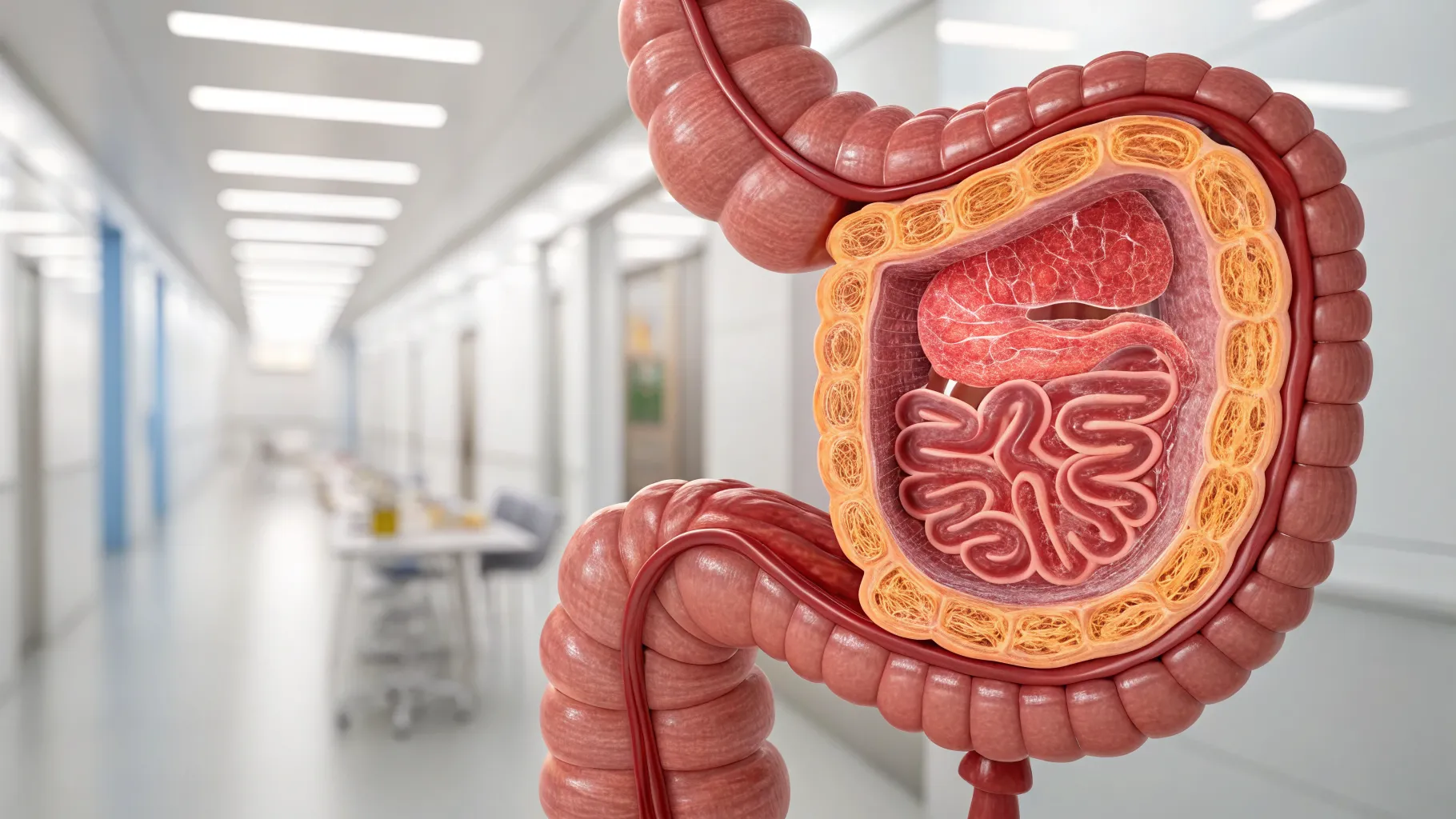
Core Colitis Symptoms You Must Know
While symptoms can vary between individuals, several hallmark signs point towards potential inflammation in the colon. Paying attention to these persistent changes is key to getting timely help.
1. Persistent Diarrhea
One of the most common symptoms is chronic diarrhea that may be accompanied by blood, pus, or mucus. Unlike a temporary stomach bug, colitis-related diarrhea persists for weeks and doesn't resolve on its own.
2. Abdominal Pain and Cramping
Pain, often located in the lower left side of the abdomen, is a frequent complaint. This discomfort can range from mild cramping to severe, debilitating pain, which may worsen before and after bowel movements.
3. Rectal Bleeding or Bloody Stools
Seeing blood in the toilet bowl or on toilet paper is an alarming but important symptom. This occurs because the inflammation in the colon can cause ulcers that bleed. This is one of the most definitive bowel inflammation signs.
4. Urgent and Frequent Need to Defecate
Known as tenesmus, this symptom involves feeling a constant, urgent need to have a bowel movement, even when the bowel is empty. The inflammation can trick the rectum into signaling fullness.
5. Unexplained Weight Loss
Significant, unintentional weight loss can occur because the inflamed colon is less able to absorb nutrients and water. A reduced appetite due to pain and nausea also contributes to this, which is one of the classic ulcerative colitis symptoms.
6. Systemic Symptoms: Fatigue and Fever
Colitis isn't just a gut issue; it's a systemic inflammatory response. This can lead to persistent, draining fatigue, low-grade fevers, and a general feeling of being unwell, similar to having the flu.
When to Consult a Doctor About Your Symptoms
Self-diagnosing is never recommended. It's vital to act on these colitis warning signs and consult a healthcare professional for an accurate diagnosis and appropriate care plan. Seek medical advice under the following circumstances:
- If you experience persistent diarrhea, cramping, or abdominal pain for more than a few days.
- If you see any amount of blood in your stool, which always warrants a medical evaluation.
- If abdominal pain is severe, constant, or accompanied by a high fever.
- If you are losing weight without trying or experiencing persistent fatigue that affects your daily life.
- If your symptoms are disrupting your ability to work, sleep, or participate in normal activities.
Frequently Asked Questions
What is the main cause of colitis?
The exact cause is not fully understood, but it is believed to result from a combination of genetic predisposition, an overactive immune system response to gut bacteria, and various environmental triggers. It is not caused by diet alone, though certain foods can exacerbate symptoms.
Can colitis be cured?
Currently, there is no cure for chronic forms of colitis like ulcerative colitis. However, it can be managed effectively with medications, lifestyle adjustments, and sometimes surgery. The primary goal of treatment is to induce and maintain long-term remission.
How is colitis diagnosed?
A diagnosis is typically made through a combination of a physical examination, blood tests, stool sample analysis, and endoscopic procedures like a colonoscopy. A colonoscopy allows a gastroenterologist to directly view the colon lining and take tissue samples (biopsies) for analysis.
References
- Crohn's & Colitis Foundation
- National Institute of Diabetes and Digestive and Kidney Diseases (NIDDK)
- American College of Gastroenterology (ACG)