Walking Groups for Senior Singles: A Guide to Social Fitness
Facts:
- Social walking improves senior mental health significantly.
- Joining groups is a growing trend for senior singles seeking connection.
Step into a New Social Circle: The Rise of Walking Groups for Senior Singles
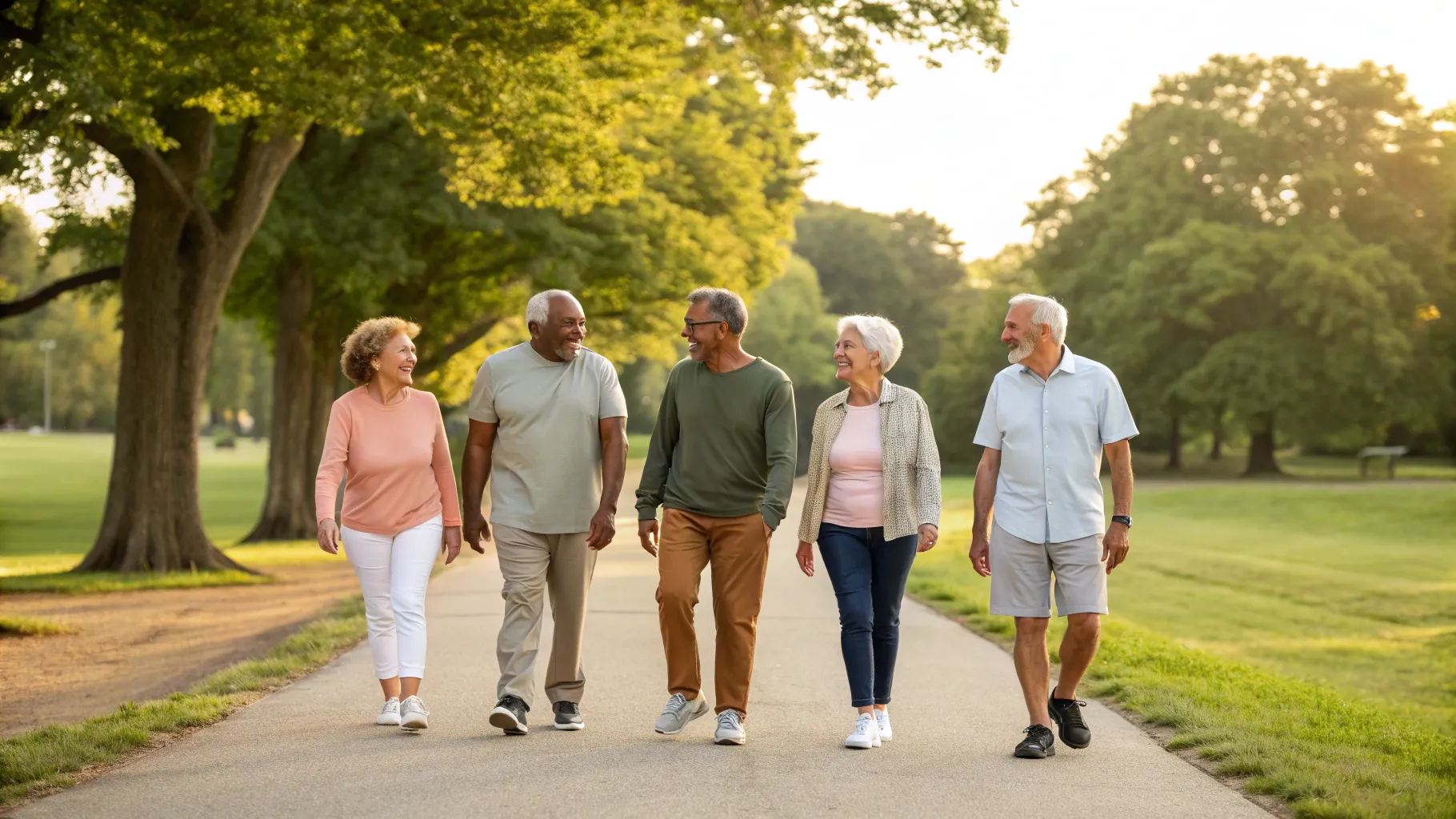
As we age, staying both physically active and socially connected becomes paramount. For many, walking groups for senior singles offer the perfect blend of exercise, companionship, and the joy of shared experience. These groups are more than just a way to get your steps in; they are thriving communities where friendships blossom and loneliness fades. Whether you're recently single or have been for a while, joining social walking groups for seniors can be a transformative step towards a healthier, happier lifestyle. This guide will explore the immense benefits and provide practical advice on how seniors join walking groups in their local area.
The Health and Social Perks of Senior Walking Groups
The benefits of joining walking groups for seniors extend far beyond simple physical fitness. On a physical level, regular walking improves cardiovascular health, strengthens bones and muscles, enhances balance, and helps manage chronic conditions like arthritis and high blood pressure. But the social component is equally crucial. Loneliness can have a significant negative impact on health, and these groups provide a consistent, supportive social outlet. Engaging in regular conversation and shared activity through senior walking groups stimulates the mind, reduces feelings of depression and anxiety, and fosters a profound sense of belonging. For many, these gatherings become a cornerstone of their weekly routine, providing structure, purpose, and meaningful friendships.
Finding the Right Type of Walking Group for You
Not all walking groups are created equal, and it's important to find one that aligns with your personality and fitness goals. Some social walking groups for seniors are very casual, focusing more on the conversation and scenery with leisurely strolls through local parks. Others are more fitness-oriented, with members tracking their pace and distance to achieve specific health objectives. You might also find groups that combine walking with other interests, such as bird-watching, photography, or exploring historical neighborhoods. When researching walking groups for senior singles, consider the group's size, typical walking pace, and frequency of meetings. Reading group descriptions and even reaching out to an organizer can give you a better feel for the group's dynamic before you commit to joining.
How Seniors Join Walking Groups: A Step-by-Step Guide
Finding and joining a group can seem daunting, but it's easier than you think. The process of how seniors join walking groups can be broken down into a few simple steps. The key is to utilize both online and community resources to find the perfect fit. Here is some actionable advice:
- Explore Online Platforms: Websites like Meetup.com and social media platforms like Facebook are treasure troves for finding local groups. Use search terms like 'senior walking groups' or 'walking over 60' along with your city's name. These platforms provide details about meeting times, locations, and group culture, making it easy to find a match.
- Check with Local Community Centers: Your local senior center, community recreation department, or even the YMCA are excellent resources. They often host or have information about established walking groups for seniors. These groups are often well-organized and specifically tailored to the needs of older adults.
- Visit Your Local Library or Place of Worship: Community bulletin boards at libraries and places of worship frequently post information about local clubs and activities, including social walking groups for seniors. These are often grassroots groups with a strong sense of community.
- Ask for Recommendations: Don't underestimate the power of word-of-mouth. Talk to your friends, neighbors, and even your doctor. They may know of reputable walking groups for senior singles and can provide a personal recommendation, which can make that first step much easier.
What to Expect on Your First Walk
Your first outing with a new walking group should be a positive and low-pressure experience. It's normal to feel a bit nervous, but remember that everyone was a new member once. To prepare, wear comfortable, supportive walking shoes and weather-appropriate clothing. Bring a bottle of water and any personal necessities. When you arrive, introduce yourself to the organizer or other members. Most senior walking groups are incredibly welcoming. The conversation will likely be light and friendly. Don't feel pressured to be the life of the party; just be yourself, listen, and participate as you feel comfortable. The primary goal is to enjoy the walk and the company.
Fostering Connections in Social Walking Groups for Seniors
While the walk itself is the main event, the real value lies in the connections you make. To foster these new friendships, be an active participant. Show genuine interest in others by asking questions about their hobbies and experiences. Be consistent with your attendance; regular participation helps build familiarity and trust. Many walking groups for senior singles extend their activities beyond the trail, perhaps grabbing a coffee or lunch after the walk. Participating in these informal social gatherings is a fantastic way to deepen relationships and move from being a member to being a friend. These shared experiences are what transform a simple walking club into a vital support network.
Frequently Asked Questions
How fit do I need to be to join walking groups for seniors?
Most walking groups for seniors cater to various fitness levels. Many groups offer different paces, from leisurely strolls to more brisk walks. It's best to contact the group organizer beforehand to inquire about the typical pace and distance to find one that matches your current ability. Don't be intimidated; the goal is participation and social engagement.
Are there specific walking groups for senior singles, or are they general?
While many senior walking groups are open to everyone, there are specific walking groups for senior singles designed for those who are unmarried, divorced, or widowed and looking for companionship. These groups often have a stronger focus on social activities alongside the walks. Websites like Meetup often have filters to help you find these specific groups.
What is the best way to learn how seniors join walking groups?
The best way to learn how seniors join walking groups is by starting with local resources. Check with your local senior center, community recreation department, or library. Online platforms like Meetup.com, Facebook Groups, and Nextdoor are also excellent tools for finding and connecting with social walking groups for seniors in your area.
References
- National Institute on Aging - Benefits of Physical Activity
- Journal of Gerontology: Social Series - Social Connection and Health
- Community Health Studies on Senior Engagement