Vitamins for Sleep and Anxiety for Better Relaxation
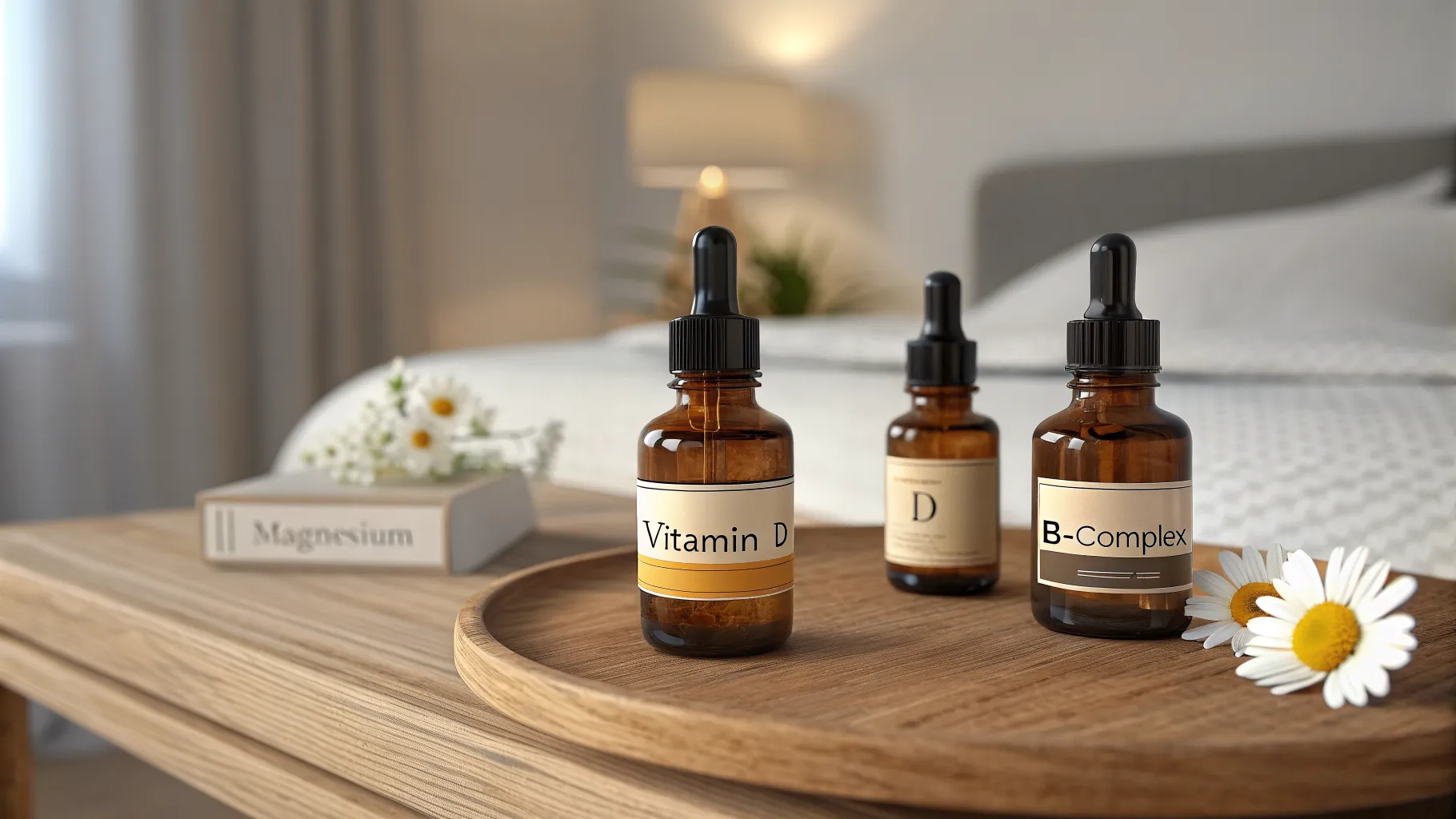
Vitamins for Sleep and Anxiety
Today, more than ever, the importance of good sleep and reduced anxiety cannot be overstated. In 2025, people worldwide are increasingly turning to vitamins for sleep and anxiety as a natural way to promote relaxation and restfulness. The stresses of modern life can lead to turbulence in our sleep patterns, making it essential to explore options that can help us replenish and rejuvenate our bodies.
Understanding the Link Between Sleep, Anxiety, and Nutrients
Many studies have shown the profound link between sleep and mental health. According to a survey conducted in early 2025, over 75% of adults report having anxiety-related sleep issues. This alarming statistic drives the need for solutions that are both effective and natural. Vitamins and nutrients have come into play as powerful allies in tackling these issues.
Key Vitamins That May Help with Relaxation and Rest
As we look at natural supplements for better sleep and reduced anxiety, several vitamins have emerged that can enhance our relaxation and sleep quality:
- Vitamin D: Research over recent years indicates that Vitamin D plays a critical role in sleep regulation. Deficiencies can lead to sleep disorders and increased anxiety levels. A recent study published in late 2024 found that people with optimal Vitamin D levels reported a 30% improvement in sleep quality.
- B Vitamins: Specifically, B6 and B12 are crucial for producing neurotransmitters that regulate mood and sleep cycles. An intake of B vitamins has been linked to improved emotional health and reduced anxiety, with many users feeling calmer at bedtime.
- Magnesium: Although technically a mineral, magnesium deserves mention due to its heavy influence on sleep. It helps in the production of GABA, a neurotransmitter that promotes relaxation. Studies show that around 60% of adults who supplemented with magnesium experienced a noticeable decrease in anxiety and improvement in sleep.
- Vitamin C: Recent findings have suggested that adequate levels of Vitamin C can reduce the severity of anxiety symptoms. It aids in regulating cortisol levels, thus helping the body manage stress more effectively.
- Melatonin: Often considered a hormone, melatonin is crucial in signaling the body when it’s time to sleep. Various supplements contain melatonin to help individuals falling asleep sooner and staying asleep longer.
Nutrients Linked to Improved Sleep Quality
Beyond vitamins, several key nutrients have been shown to aid in addressing sleep disturbances and anxiety:
- Omega-3 Fatty Acids: These essential fats are known to support brain health. Research in early 2025 highlighted that omega-3 supplementation could significantly reduce anxiety levels while improving sleep quality.
- Probiotics: The gut-brain axis plays a significant role in mental health. A healthy gut microbiome can positively impact sleep patterns and anxiety levels. Probiotic-rich foods or supplements can help balance gut health, contributing to better sleep.
- Herbal Supplements: While not vitamins, herbal remedies such as valerian root and chamomile have been widely praised for their calming effects. Studies indicate that these herbs can help reduce anxiety and promote a more restful sleep.
Incorporating Calming Vitamins into Your Routine
Now that we understand which vitamins and nutrients can help with sleep and anxiety, the next step is incorporating them into our diet. A balanced approach that includes natural foods is always best. Here are some practical tips:
- Dietary Sources: Aim for a diet rich in fruits, vegetables, nuts, seeds, and whole grains. Foods such as fatty fish for omega-3s, bananas for magnesium, and leafy greens for B vitamins can be helpful.
- Supplements: If you feel that dietary sources are insufficient, consider high-quality supplements to fill the gaps. Always consult with a healthcare provider before adding new supplements to your regime.
- Routine: Establish a routine that includes time to wind down before bed. Combining magnesium-rich foods, herbal teas, and a calming pre-sleep ritual can facilitate better sleep.
Real-World Examples and Case Studies
It’s inspiring to see how individuals have successfully integrated these vitamins and nutrients into their lives. For instance, Anna, a 32-year-old graphic designer, started taking Vitamin D and magnesium supplements twelve months ago. She reports improved sleep quality and decreased anxiety levels, claiming she feels significantly more energized and positive.
Moreover, a recent case study involving a group of 100 participants who supplemented with B vitamins for six months showed a 25% decrease in sleep disturbances and anxiety symptoms. This reinforces the idea that these vitamins can play an essential role in mental health.
Final Thoughts on Calming Vitamins for Stress and Restfulness
With the increasing pressures of contemporary life, focusing on good sleep and effective anxiety management is crucial. Exploring vitamins for sleep and anxiety not only offers a powerful tool in achieving better mental health but also leads to a healthier lifestyle overall. With the right knowledge and commitment to self-care, you can embrace the calming benefits of these vital nutrients, paving the way for a more relaxed and peaceful existence.
Remember, while vitamins and supplements can significantly contribute to better sleep and reduced anxiety, it is always wise to maintain holistic habits such as regular exercise, mindfulness practices, and maintaining social connections for overall well-being.