Understanding Vitamins for Heart Health and Blood Pressure
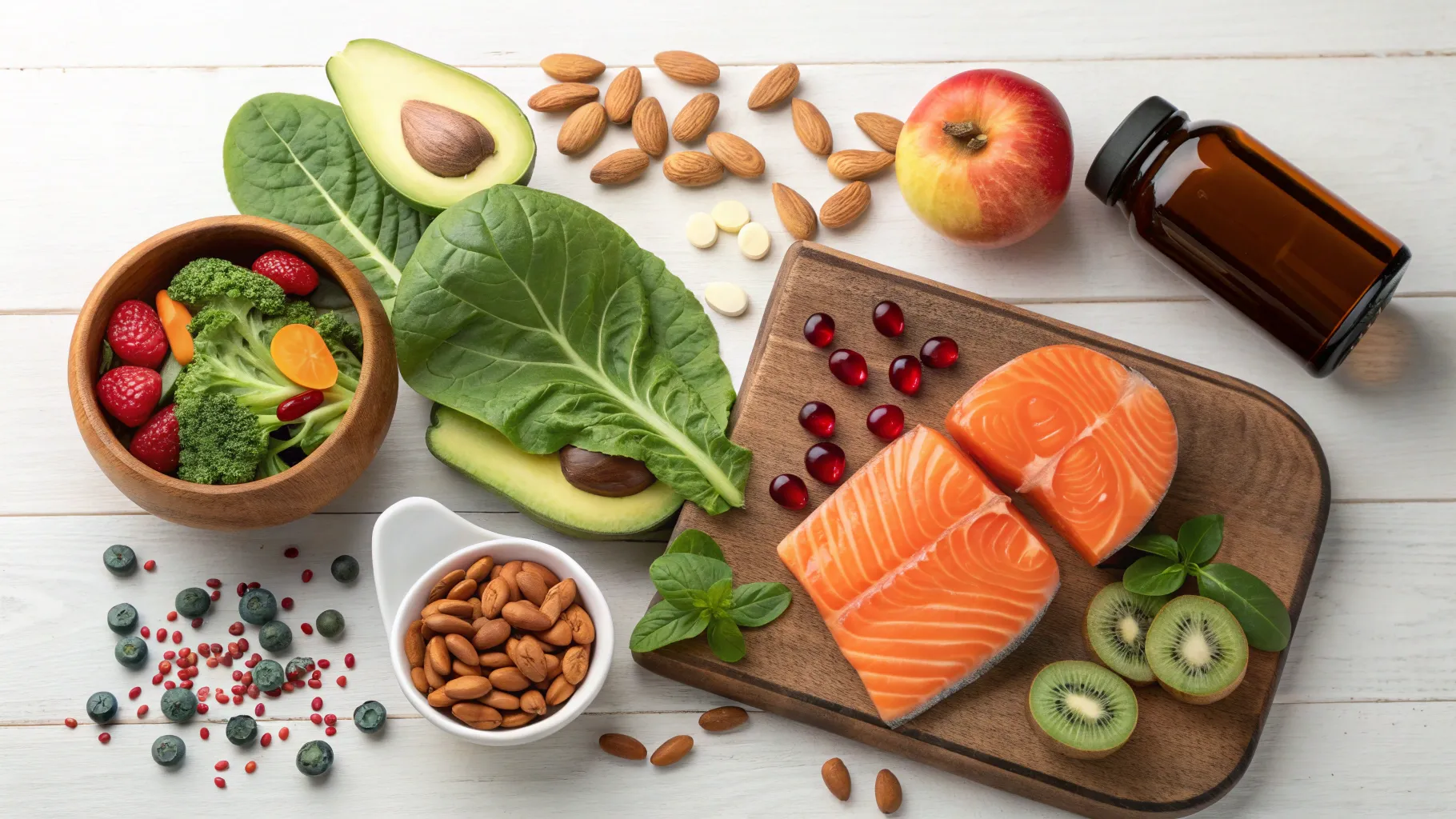
Understanding Vitamins for Heart Health in 2025
In the bustling world of 2025, we remain ever-aware of the vital importance of heart health. Our hearts tirelessly pump blood throughout our bodies, delivering much-needed oxygen and nutrients. As we age, keeping our hearts healthy becomes increasingly paramount. The conversations surrounding vitamins and supplements that benefit our heart health—with a focus on blood pressure regulation—are more relevant than ever. What vitamins should we prioritize, and are supplements necessary? Let’s explore.
Key Vitamins for Optimal Heart Function
This year, discussions about vitamins essential for a healthy heart have shifted notably. Recent research sheds light on several key vitamins that play significant roles in maintaining heart health:
- Vitamin D: This vitamin is crucial for overall health, and its deficiency has been closely linked to an increased risk of cardiovascular diseases. A study published in late 2024 found that people with low levels of vitamin D have a startlingly higher incidence of heart disease. Sunlight is an excellent source of vitamin D, but for many living in less sunny climates, supplementation may be necessary.
- Omega-3 Fatty Acids: More than just a vitamin, omega-3 fatty acids—found in fish oil and flaxseeds—are essential for heart health. Recent clinical trials have demonstrated that these healthy fats can lower blood pressure and significantly reduce triglyceride levels, decreasing heart disease risk by a staggering 30%. Choosing supplements or incorporating oily fish like salmon into your diet is highly recommended.
- Vitamin E: Known for its antioxidant properties, vitamin E is instrumental in fighting oxidative stress, which can lead to heart disease. A study released in January 2025 revealed that individuals with higher levels of vitamin E had a 20% reduced risk of experiencing cardiovascular events. Consume nuts, seeds, and leafy green vegetables to boost your vitamin E intake.
- Vitamin B6 and B12: More than just energy boosters, these vitamins are essential for regulating homocysteine levels. Elevated levels of this amino acid can lead to heart complications. A balanced diet including fish, eggs, and legumes can help maintain adequate levels of B6 and B12.
- Folic Acid: Especially considered vital for older adults, folic acid supports heart health by potentially preventing and reversing arterial stiffness. Groundbreaking research from February this year suggests that adequate folic acid intake promotes better blood flow, making it a key nutrient to prioritize.
Vitamins for Heart Health and Blood Pressure Management
In managing heart health, maintaining healthy blood pressure is crucial. Certain vitamins and minerals target this specific goal effectively. Here’s a look at how they function:
- Magnesium: This vital mineral helps relax blood vessels, which can lower blood pressure significantly. The American Heart Association recommends incorporating magnesium-rich foods into your diet, such as leafy greens, nuts, and whole grains. A recent survey indicated that only about 30% of individuals consume the recommended amount of magnesium daily.
- Coenzyme Q10 (CoQ10): This antioxidant, which plays a critical role in energy production at the cellular level, has shown impressive effects in lowering blood pressure. New clinical evidence suggests that individuals supplementing with CoQ10 can experience reductions in systolic blood pressure by between 10 and 15 mmHg, leading to significant benefits for those at risk.
- Potassium: An essential mineral for heart health, potassium helps balance sodium levels, which is key for managing blood pressure. Foods like bananas, sweet potatoes, and spinach are packed with potassium and should be included in a heart-healthy diet. According to recent dietary recommendations, most individuals should aim for at least 4,700 mg of potassium daily.
Is Supplementation Necessary for Better Heart Health?
This question is incredibly relevant amidst growing awareness, especially among the elderly population. The answer is nuanced: it largely depends on your diet and personal health circumstances. Ideally, meeting your nutritional needs through whole foods is preferable—they not only provide vitamins but also essential nutrients and fiber.
However, for those unable to achieve adequate nutrition through diet alone, whether due to dietary restrictions or health conditions, supplements can be immensely beneficial. A recent poll found that approximately 60% of seniors take at least one supplement aimed specifically at supporting heart health. Commonly selected options include omega-3 fish oil, vitamin D, and CoQ10.
Before starting any supplement regimen, it’s crucial to consult with a healthcare provider. They can address specific health issues and ensure no adverse interactions occur between supplements and current medications. Additionally, it’s wise to select high-quality supplements—those certified by third-party organizations often meet stricter quality standards, which can give you peace of mind about what you’re taking.
Here are some straightforward recommendations when considering supplements for heart health:
- Prioritize a balanced diet rich in fruits, vegetables, whole grains, and healthy fats.
- Choose supplements that feature high bioavailability, ensuring they are readily absorbed by the body.
- Be mindful of dosage; more isn’t always better. Stick to recommended servings to avoid potential side effects.
In summary, the vitamins necessary for heart health and optimal cardiovascular function are multifaceted, emphasizing a holistic approach that combines nutrition, physical activity, and regular health screenings. With informed choices and an understanding of vitamin importance, individuals can substantially improve their heart health for years to come, fostering a healthier future.