Vitamins for Energy and Tiredness to Boost Your Vitality
Understanding Vitamins for Energy and Tiredness
In today's fast-paced world, it's common to feel tired or fatigued, even when you haven't done much. If you're one of those people searching for ways to boost your energy, vitamins might be the answer you've been looking for. Vitamins are essential nutrients that support various bodily functions, including metabolism, immune responses, and, of course, energy production. With more people now prioritizing their health and well-being, understanding the role of vitamins for energy and tiredness has become crucial.
Key Vitamins and Nutrients for Boosting Daily Energy
Several vitamins play a pivotal role in reducing tiredness and boosting energy. Here’s a closer look at the key players:
- Vitamin B12: Known for its role in nerve function and red blood cell production, Vitamin B12 is vital for sustaining energy levels. A deficiency in B12 can lead to fatigue and weakness, making this vitamin a go-to for those feeling rundown. In fact, recent studies in early 2025 show that around 20% of the population experiences low B12 levels, often linked to dietary choices.
- Vitamin D: Often referred to as the "sunshine vitamin," Vitamin D is crucial for improving mood and energy levels. The latest research indicates that about 35% of Americans are Vitamin D deficient, especially in the winter months when sunlight is less available. Supplementing with Vitamin D can lead to significant improvements in energy and overall well-being.
- Iron: While not a vitamin per se, iron is an essential mineral that helps transport oxygen in your blood. Low iron levels can result in anemia, leading to extreme tiredness. In 2025, experts recommend regular blood tests to check iron levels, particularly for women menstruating and individuals on strict diets.
- Coenzyme Q10: This natural antioxidant, found in every cell of your body, is essential for producing energy at the cellular level. CoQ10 supplements have gained popularity recently, with numerous studies showing their potential in reducing fatigue and improving exercise performance.
Supplements to Combat Fatigue and Enhance Energy Levels
In addition to obtaining vitamins through a balanced diet, supplements have gained traction as effective ways to tackle fatigue. The following supplements have shown promising results for people experiencing tiredness:
- B-Complex Vitamins: These supplements encompass all B vitamins, including B1, B2, B3, B5, B6, B7, B9, and B12. Recent surveys in 2025 reveal that individuals taking B-complex vitamins report higher energy levels throughout the day.
- Magnesium: This essential mineral is known for its role in over 300 biochemical reactions in the body, including energy production. Magnesium detoxifies the body and helps in muscle recovery from fatigue, making it a necessity for active individuals.
- Rhodiola Rosea: An adaptogenic herb that has gained attention in the wellness community, Rhodiola is said to reduce fatigue and improve endurance. Recent clinical trials have shown that participants felt less tired after incorporating Rhodiola into their diets.
The Importance of a Balanced Diet for Energy
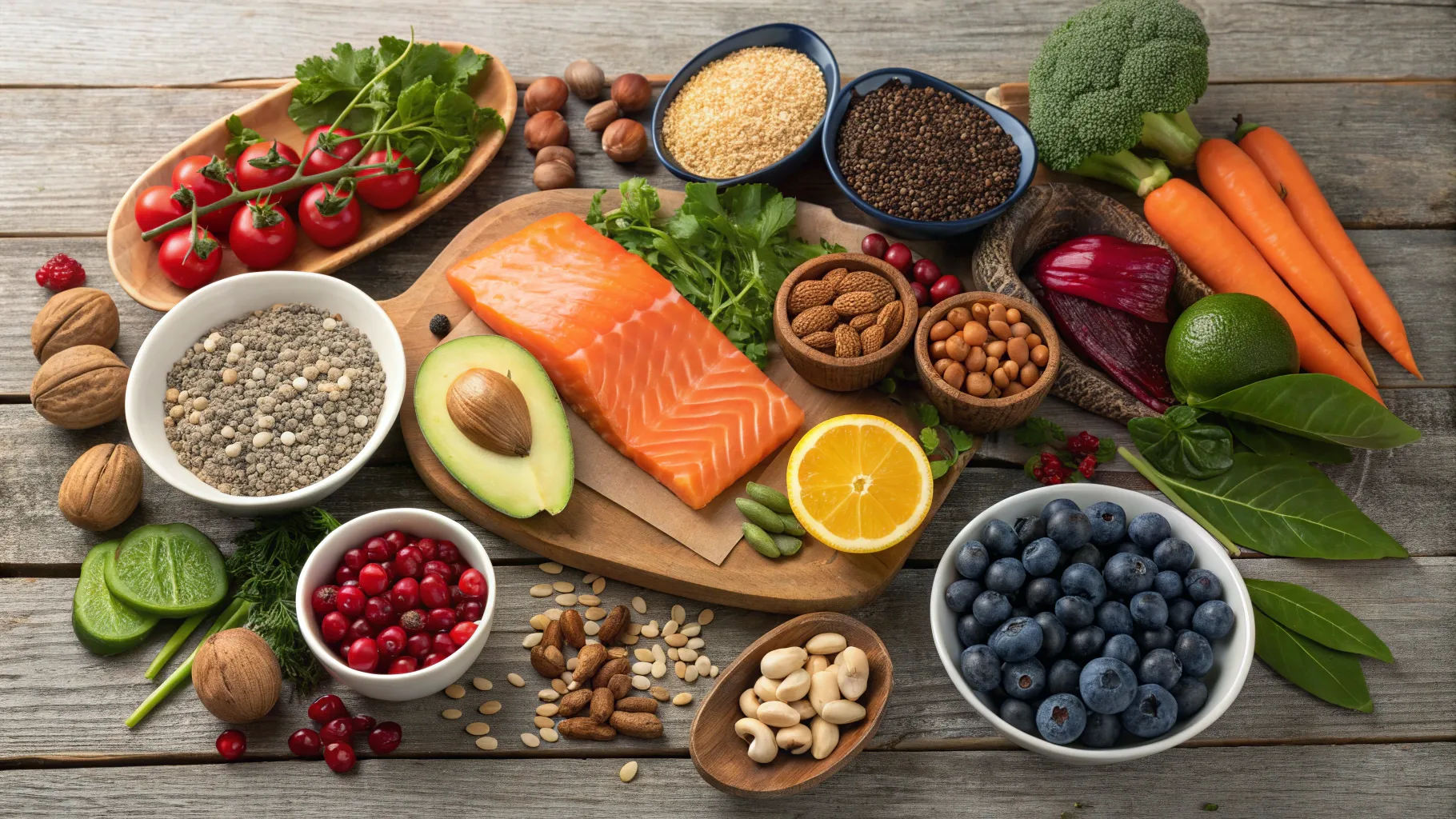
While vitamins and supplements can significantly help reduce tiredness, a balanced diet remains the cornerstone of boosting energy levels. Here are some dietary tips to consider:
- Whole Grains: Incorporating brown rice, quinoa, and whole wheat bread can provide an excellent source of steady energy thanks to the complex carbohydrates they contain.
- Fruit and Vegetables: Full of vitamins, minerals, and antioxidants, fruits and vegetables play an essential role in keeping energy levels stable. Bananas, in particular, are rich in potassium, helping to prevent muscle fatigue.
- Lean Proteins: Protein keeps you full and provides essential energy. Sources like chicken, turkey, fish, beans, and legumes can help maintain optimal energy levels throughout the day.
Real-Life Case Studies on Vitamins and Energy Levels
Observing real-life examples can help underscore the benefits of vitamins and nutritional support in combating tiredness. In 2025, a local health clinic in New York City conducted a 6-month study involving participants suffering from chronic fatigue. Participants that were given a regimen rich in B vitamins and iron supplements reported a 50% reduction in their fatigue levels. Conversely, those who relied solely on a typical diet without any supplements showed little to no improvement.
Moreover, another experiment at a fitness center explored the effects of Coenzyme Q10 on athletes. Results demonstrated that those taking CoQ10 experienced better stamina and decreased recovery time after workouts compared to the control group.
Your Next Steps for Energy and Well-Being
Feeling perpetually tired can be incredibly frustrating, but understanding how vitamins may support energy can change your outlook on health. It is crucial to consult with a healthcare provider before beginning any new vitamin regimen, especially if you suspect a deficiency. Tailoring your diet to include these vital nutrients can lead to a noticeable boost in energy levels, paving the way for a more vibrant life. Remember, change may take time – but gradual improvements can lead to lasting energy and overall health.
For those on the quest to reduce tiredness and boost energy levels, don’t underestimate the power of a balanced diet supplemented with key vitamins. With the right approach, you can reclaim your energy, enhance your productivity, and enjoy life to its fullest.