Vitamins for Eye Health in Seniors Boost Vision Naturally
Vitamins That Support Eye Health in Seniors
As we age, maintaining good vision becomes increasingly important. Seniors are often at a higher risk for various eye conditions, including age-related macular degeneration (AMD), cataracts, and glaucoma. Fortunately, certain vitamins and nutrients can help support eye health and boost visual performance in older adults. In this guide, we explore vitamins that support eye health in seniors, alongside practical tips on incorporating these vital nutrients into the diet.
What to Know About Nutrients Linked to Vision in Older Adults
Nutritional science has made remarkable strides in understanding how specific vitamins contribute to eye health. Recent data indicate that nearly half of older adults are not getting sufficient amounts of essential nutrients that play critical roles in maintaining vision.
For instance, a study from early 2025 revealed that roughly 45% of seniors lack adequate dietary intake of vitamins A, C, and E, all of which have been linked to vision health. Additionally, the presence of antioxidants like lutein and zeaxanthin, typically found in leafy green vegetables and brightly colored fruits, has garnered attention in recent months for their protective role against harmful light exposure.
Examples of Vitamins Often Discussed for Senior Eye Care
- Vitamin A: Critical for maintaining a clear cornea and is a component of rhodopsin, a protein in the eyes that allows us to see in low light.
- Vitamin C: An antioxidant that helps to protect the eyes against damage from UV light and environmental pollutants, while also aiding in collagen formation for the eye structure.
- Vitamin E: Plays a role in protecting the eye’s cell membranes and might help prevent cataracts.
- Omega-3 Fatty Acids: Although not a vitamin, these essential fats, particularly DHA, are crucial for retinal health and are found in high concentrations in the eye.
- Lutein and Zeaxanthin: These carotenoids are known to filter harmful high-energy blue wavelengths of light and protect against oxidative damage.
It’s essential to recognize how these nutrients interact. For example, vitamins C and E work synergistically to provide enhanced antioxidant protection, potentially mitigating risks associated with eye diseases. A comprehensive nutritional strategy can bolster the effectiveness of these vitamins when consumed together.
Educational Guide to Vitamins and Senior Eye Health
Understanding how to integrate these eye-supporting nutrients into the diet is crucial for seniors. The American Academy of Ophthalmology suggests a balanced diet rich in various vitamins can help prevent or slow the progression of eye diseases.
Here’s how seniors can easily include these vital nutrients:
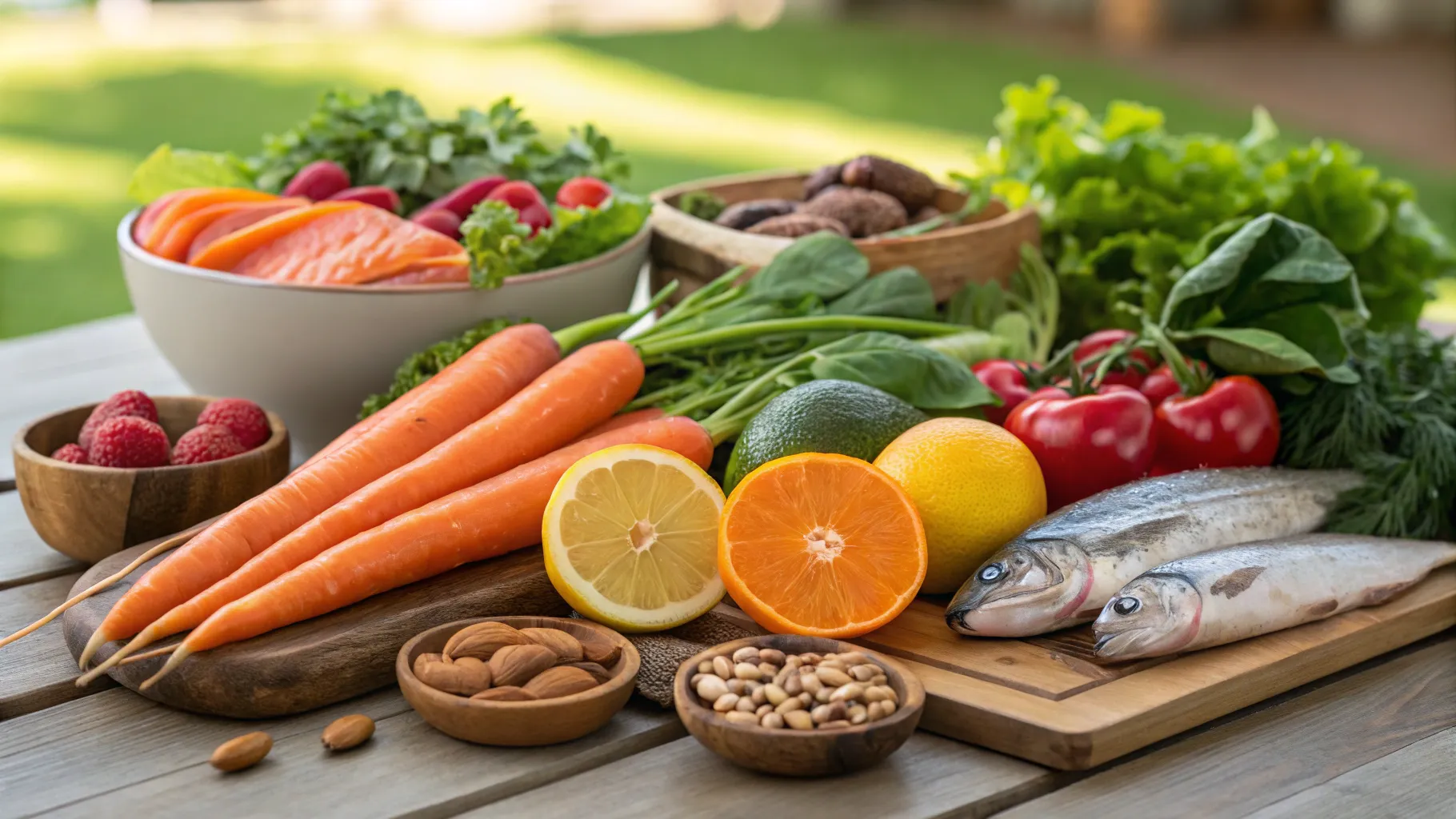
- Incorporate Colorful Fruits and Vegetables: Carrots are well-known for their vitamin A content, but also consider sweet potatoes, spinach, kale, and bell peppers. They not only add color to meals but also are packed with necessary nutrients.
- Opt for Nuts and Seeds: Almonds, sunflower seeds, and walnuts are excellent sources of vitamin E and omega-3 fatty acids.
- Enjoy Fatty Fish: Salmon, mackerel, and sardines provide a rich source of omega-3s, particularly DHA, essential for retinal health.
- Use Vegetable Oils: Cooking with oils rich in vitamin E, such as sunflower or safflower oil, can boost overall vitamin intake.
- Consider Supplements: If dietary sources are insufficient, a discussion with a healthcare provider about multivitamins or specific eye health supplements can be beneficial.
In recent months, surveys have indicated that seniors are becoming increasingly aware of the role these nutrients play. Awareness campaigns have successfully highlighted the importance of eye health and the positive impact of proper nutrition.
Real-World Examples and Case Studies
Consider the story of Betty, a 75-year-old woman who, after a routine eye check-up, was informed that she was developing early signs of AMD. Following her doctor’s advice, she incorporated more leafy greens and fatty fish into her diet. Over six months, her vision stabilized, and she reported improved clarity in her daily activities. Such real-world examples underscore the tangible benefits of adjusting one’s diet to include these crucial eye-supporting nutrients.
An internal report from a community health initiative noted that seniors who participated in educational workshops on nutrition saw a significant improvement in their overall dietary habits, with over 70% reporting increased consumption of vegetables and fish. These statistics show how education can lead to healthier choices, directly impacting eye health.
With the right combination of vitamins and nutrients, seniors can play an active role in maintaining and potentially improving their vision health. Just like any aspect of health, it’s about balance and informed choices. By making small yet impactful changes to their diet, older adults can enjoy better vision as they age, reinforcing the old adage that you are what you eat.
Staying informed about the nutrients linked to vision in older adults not only empowers seniors but also enriches their lives. From delicious recipes to nutrient-rich meals, supporting eye health has never been more accessible or exciting. So, let’s raise our glasses—and our plates—to the wonderful world of vitamins that support eye health in seniors!