Guide to Vitamins That Support Arthritis Management
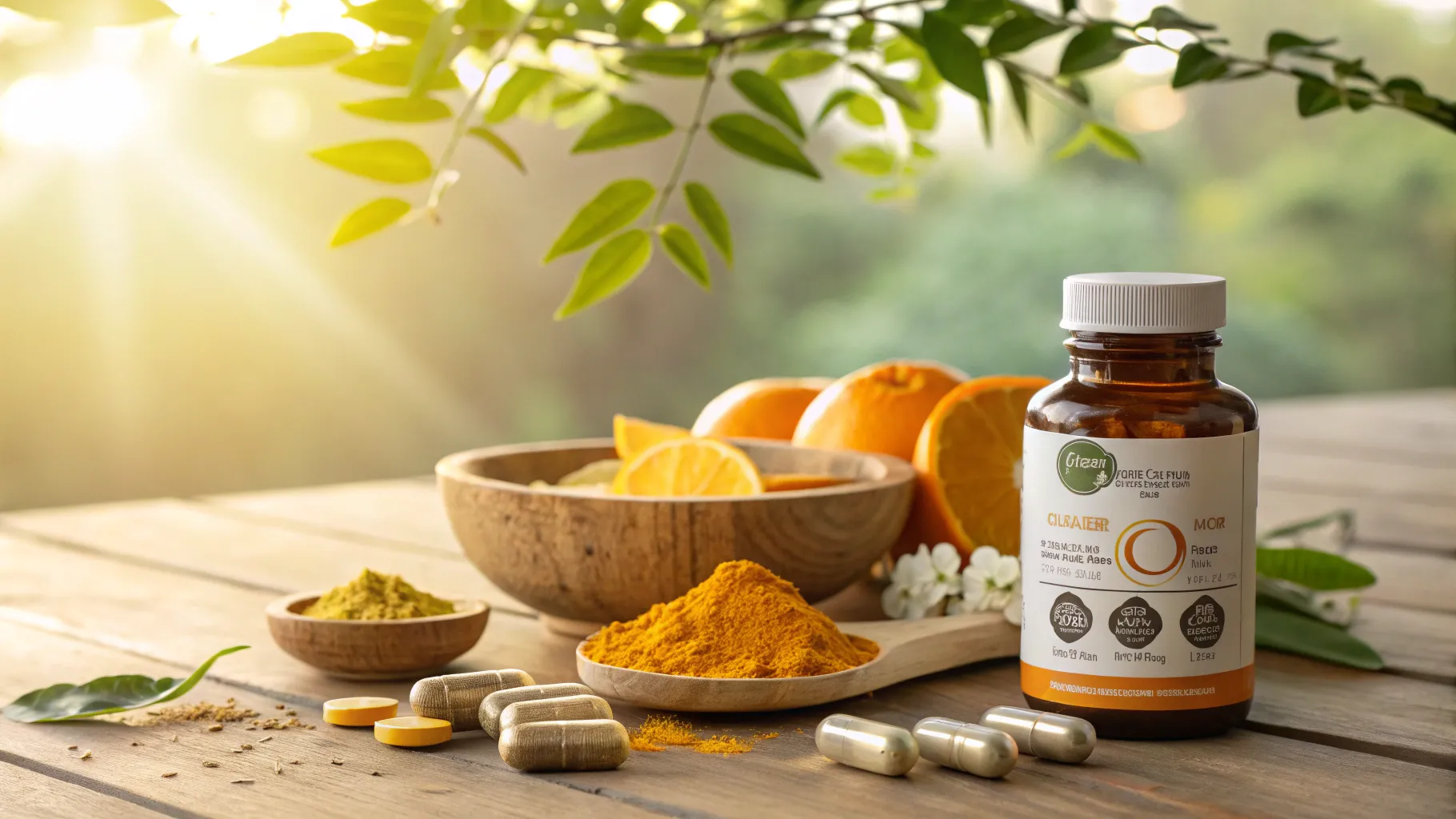
Vitamins for Arthritis Joint Pain: What You Need to Know
Arthritis joint pain affects millions of people worldwide, often interfering with mobility and daily activities. This condition causes inflammation in the joints, leading to discomfort, stiffness, and swelling. Understanding the role of nutrition, particularly vitamins, has become an important area of study in managing arthritis symptoms. This article discusses how certain vitamins may support joint function and overall joint health, based on current research and medical insights.
Essential Vitamins and Supplements for Arthritis Joint Pain
When it comes to vitamins for arthritis knee pain, several options stand out due to their anti-inflammatory properties and ability to support joint health. Here are some of the most effective vitamins and supplements that have shown promise:
- Vitamin D: Research indicates that vitamin D deficiency is linked to increased joint pain and inflammation. In 2025, studies have shown that maintaining sufficient levels of vitamin D can not only reduce pain but also enhance overall bone health. Ensuring you get enough sunshine or considering a supplement could make a significant difference in your arthritis management.
- Omega-3 Fatty Acids: Found in fish oil and flaxseed, omega-3 fatty acids possess profound anti-inflammatory properties. A recent study demonstrated that patients who took omega-3 supplements reported a 30% reduction in joint pain and stiffness within three months. Incorporating these into your diet or as a supplement can be beneficial.
- Glucosamine and Chondroitin: These supplements are popular among those suffering from arthritis. They are believed to support cartilage health, and recent trials suggest that they may help reduce pain and improve joint function. A comprehensive review conducted last year highlighted their effectiveness, especially in elderly patients.
- Turmeric (Curcumin): The active compound in turmeric, curcumin, is well-known for its anti-inflammatory effects. Recent trials have pointed out that individuals consuming curcumin supplements experienced significant relief from arthritis symptoms. Many users have reported improvements in pain levels and mobility, supporting its role as a natural remedy for arthritis.
- Vitamin C: This vitamin is crucial for collagen synthesis, which is essential for maintaining healthy joints. A study published in early 2025 found that individuals with higher vitamin C intake had a lower risk of developing joint pain and arthritis. Getting enough vitamin C through foods or supplements is advisable.
- B Vitamins: Several B vitamins, particularly B6 and B12, play a role in reducing inflammation. Researchers recommend ensuring adequate intake, as some evidence suggests that these vitamins can amplify the effects of other anti-inflammatory supplements.
Natural Vitamins for Arthritis
While traditional medicine has its place in managing arthritis, many people are exploring natural alternatives. Natural vitamins for arthritis management not only support joint health but also contribute to overall well-being.
Herbal supplements like ginger and boswellia have shown potential in reducing inflammation and pain. These herbal remedies, combined with a balanced diet rich in vitamins and minerals, can provide a comprehensive approach to managing arthritis symptoms.
Moreover, lifestyle changes such as maintaining a healthy weight, regular exercise, and a diet full of anti-inflammatory foods can enhance the effects of these vitamins and supplements. Emphasizing fresh fruits, vegetables, whole grains, and lean proteins while minimizing processed foods can yield substantial benefits for joint health.
What Vitamins Are Good for Arthritis and Joint Pain
It’s essential to remember that every individual's experience with arthritis is unique. Therefore, consulting with a healthcare professional before beginning any vitamin or supplement regimen is crucial. They can assess your specific needs and recommend the best options based on your overall health, diet, and medical history.
Furthermore, staying informed about the latest research regarding vitamins for arthritis joint pain can empower you to make educated decisions about your health. The landscape of dietary supplements is continually evolving, with new findings emerging regularly. For instance, in recent months, there have been advancements in understanding how specific micronutrients can play a more significant role in alleviating arthritis symptoms.
It's also worth noting the importance of holistic approaches when managing arthritis. Pairing vitamins and supplements with physical therapy, hydration, and mindfulness practices like yoga or meditation can create a strong support system for your joints. Each element contributes to reducing stress, improving mobility, and enhancing emotional well-being, which can indirectly alleviate pain.
As you explore your options, be open to trial and error. What works for one person might not work for another. Keeping a journal of your symptoms and reactions to new vitamins or supplements can help identify patterns and the most effective solutions for your arthritis management. The journey to finding relief is often personal, and taking the time to understand your body will yield the best results.
In summary, while vitamins for arthritis joint pain provide a promising avenue for alleviation, they work best when integrated into a broader health strategy. The combination of diet, lifestyle changes, and informed health choices creates a robust framework for managing arthritis effectively.