Vintage Jewelry Trends and Styles You Need to Know
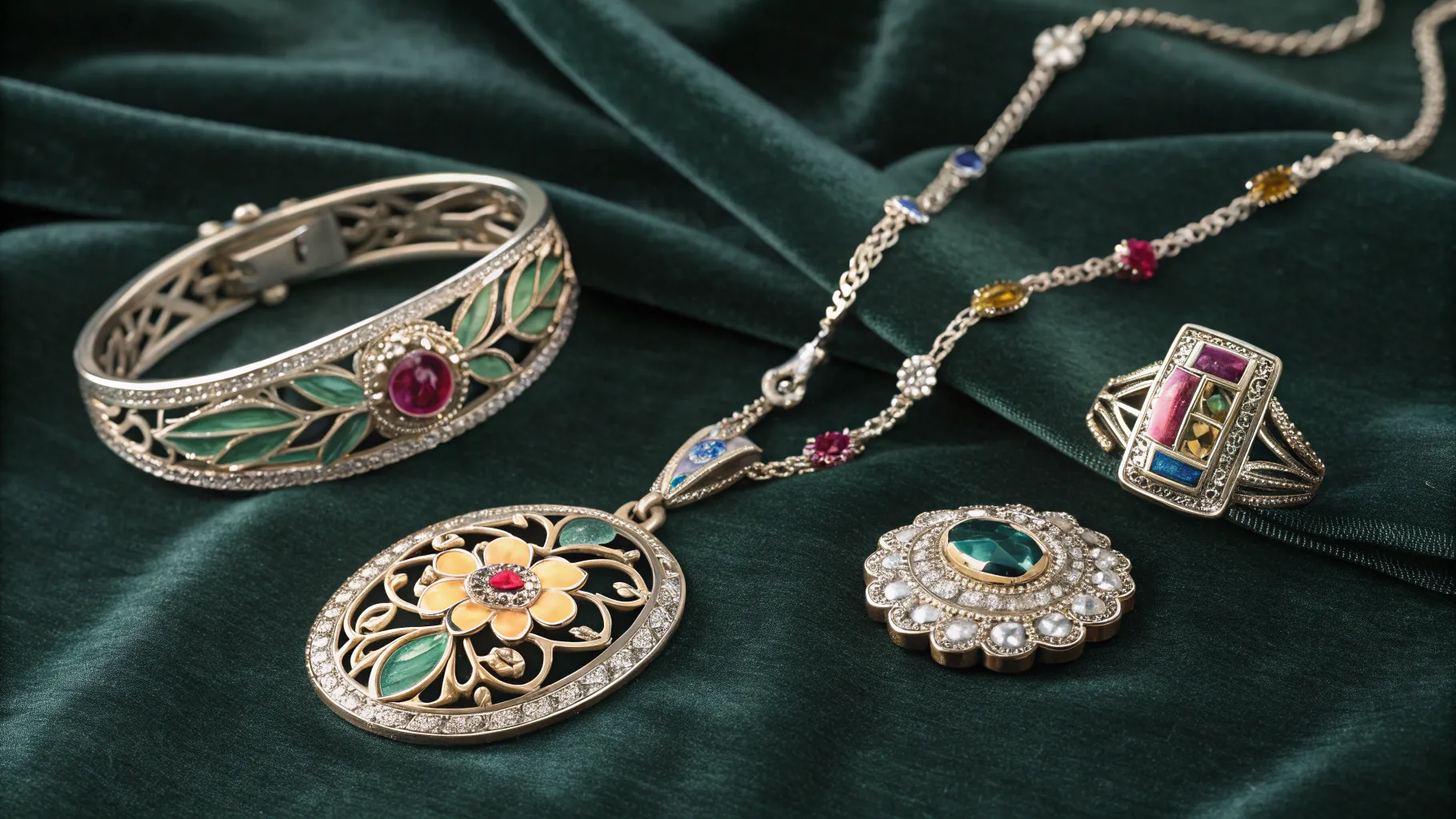
Exploring Vintage Jewelry Trends Explained with Historical Context
In recent years, vintage jewelry has surged in popularity among fashion enthusiasts and collectors alike. This interest stems from a blend of nostalgia and a desire for unique personal style. Vintage jewelry trends not only encapsulate previous eras but also reflect the cultural and social movements that defined those times. Understanding these trends involves diving into the historical context behind various jewelry styles that have shaped fashion across decades.
The Allure of Antique Styles
Antique jewelry, categorized as having been made over 100 years ago, often exhibits exceptional craftsmanship and intricate details. Certain styles from different historical periods have made a remarkable comeback, enticing buyers from various demographics in 2025.
- Victorian Era (1837-1901): Characterized by romantic motifs, Victorian jewelry often features gemstones like garnets and diamonds set in gold or silver with elaborate designs that evoke a sense of elegance.
- Art Nouveau (1890-1910): This era celebrated nature and femininity, integrating floral designs and organic shapes. Jewelry pieces from this time often incorporate enameling and intricate settings.
- Art Deco (1920-1930): With its bold geometric patterns and lavish use of color, Art Deco jewelry remains particularly sought after. Its combination of luxury materials and modern design principles makes it a favorite among collectors.
- Retro (1935-1950): Characterized by bold, chunky pieces made of gold, Retro jewelry reflects the optimism of the post-war era and often features colorful gemstones, an embodiment of the vibrant social scene.
The resurgence of these styles is not just a matter of aesthetics; they symbolize a deeper connection to a world rich in history, creativity, and personal storytelling.
Popular Vintage-Inspired Engagement Rings Today
While modern engagement rings often lean towards minimalistic styles, vintage-inspired engagement rings are increasingly becoming the choice for couples looking to express individuality and timeless romance. In early 2025, a survey revealed that nearly 44% of engaged couples selected vintage or vintage-inspired rings, marking a significant jump from the previous year.
The appeal of vintage wedding jewelry lies in its ability to tell a story. Couples are drawn to the notion that each piece has a history, a previous life filled with memories. Styles like the intricate filigree of Art Deco or the heart motifs characterized by late Victorian rings often evoke a sense of nostalgia that modern pieces can lack. People are searching for meaningful connections rather than simply diamonds.
One standout trend is the use of colored gemstones as alternatives to traditional diamonds. Vintage engagement rings often feature sapphires, emeralds, and even yellow diamonds, adding a splash of color and uniqueness that reflects the wearer's personality.
Cultural Significance of Vintage Jewelry Through the Decades
Vintage jewelry has always served as a reflection of the values and styles of its time. During the early 20th century, jewelry often represented social status. Pieces were meticulously crafted to showcase wealth, the more intricate the design, the more influence it conveyed. The 1960s, however, saw a shift toward self-expression and simpler designs, paralleling the cultural revolution of the time.
Each decade has left an indelible mark on jewelry, with vintage pieces becoming critical collectibles today. In recent exhibitions, such as the one held at The Museum of Fine Arts, Boston, vintage jewelry has been showcased as a storytelling medium, connecting wearers to their heritage and social movements that shaped their identities.
As millennials and Gen Z consumers become more prevalent in the jewelry market, their emphasis on sustainability has driven the vintage trend even further. This demographic values recycling and reusing materials, making vintage jewelry a sustainable choice. According to recent reports, the market for pre-owned jewelry is expected to grow by 20% over the next five years, reflecting this shift in consumer sentiment.
Commonly Chosen Vintage Jewelry Designs for Collectors and Wearers
For collectors and fashion enthusiasts, certain styles stand out as preferred choices. Vintage jewelry not only serves a decorative purpose but also acts as an investment opportunity. Here are some notable designs that collectors seek out in 2025:
- Brooches: Once an everyday accessory, brooches are now being reclaimed as statement pieces that can elevate any outfit. Their intricate designs can reflect personal style, invoking sentiments of elegance.
- Pearl Necklaces: Timeless and classic, vintage pearl necklaces from the mid-20th century are increasingly becoming a wardrobe staple, often worn both casually and formally.
- Signet Rings: Traditionally used for sealing documents, signet rings have transitioned into fashion statements. Today’s designs often incorporate personalized engravings, making them a favorite among those seeking to reflect individuality.
- Chandelier Earrings: Dramatic and eye-catching, chandelier earrings from the 1980s embody the bold spirit of that decade, making them a hot item among vintage lovers.
The appeal of vintage jewelry resonates on multiple levels: aesthetic, emotional, and financial. As trends evolve, the appreciation for these historical artifacts continues to rise, showcasing the enduring relevance of antique styles in contemporary fashion.