Nourishing Vegetable Soups for Cold and Flu Season: The Ultimate Guide
Facts:
- Hot liquids in soup can help relieve nasal congestion.
- A major wellness trend is the increased consumption of winter vegetable soup meals for immune support.
Why Vegetable Soups Are Your Best Ally During Cold and Flu Season
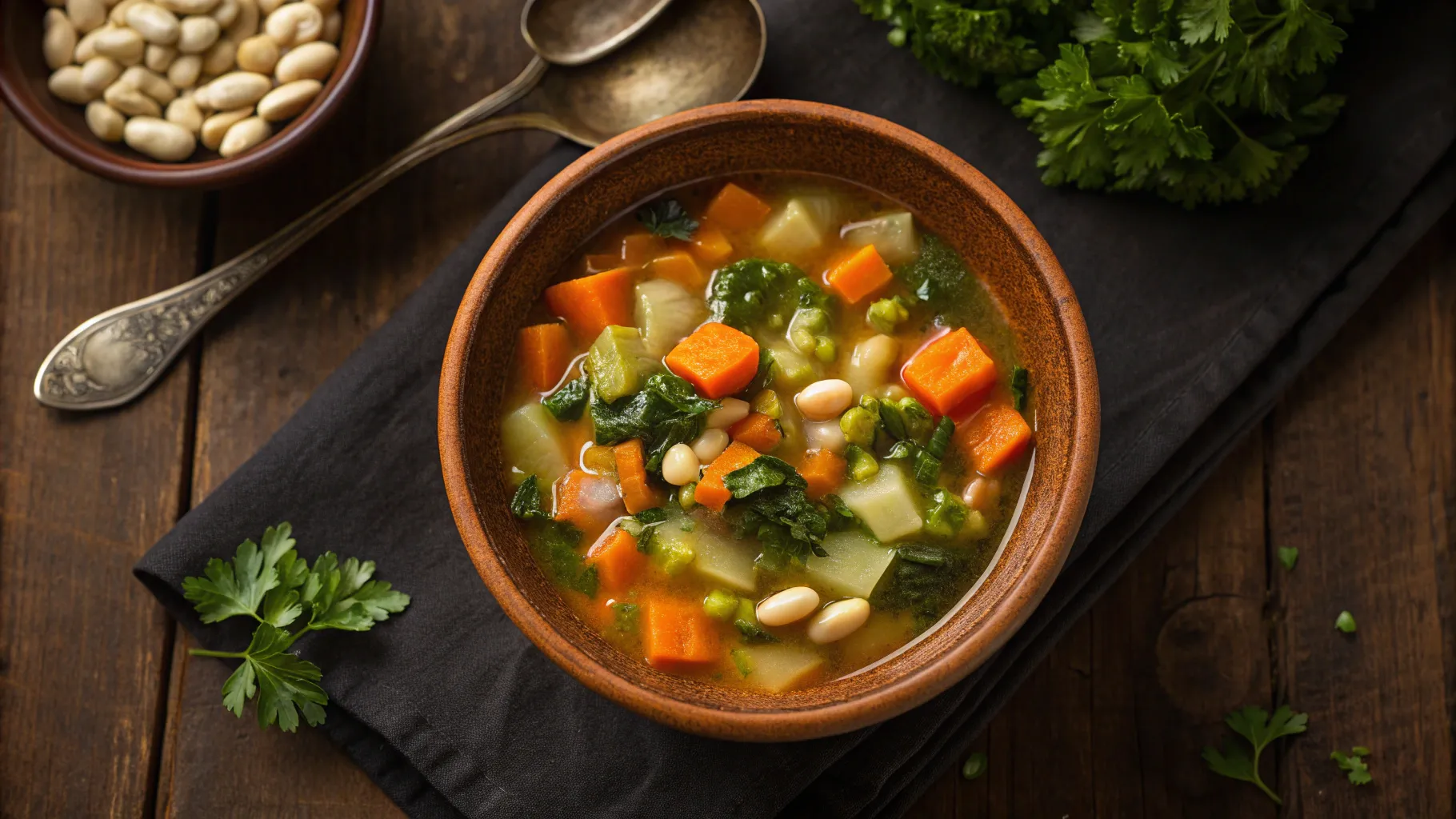
When the winter chill arrives, so does the peak time for colds and influenza. Seeking comfort and relief, many turn to the time-honored remedy of a warm bowl of soup. More than just a comforting meal, the right vegetable soups cold flu remedies are a powerful tool for supporting your body's defenses. These incredible comfort vegetable soups season dishes are loaded with essential vitamins, minerals, and hydration, which are crucial when your immune system is working overtime. Choosing the right ingredients can transform a simple soup into a potent elixir, making your recovery faster and more comfortable. These soups are not only nourishing but also easy to digest, providing your body with the fuel it needs without putting extra strain on your system.
Key Immunity-Boosting Ingredients for Your Soups
The effectiveness of cold flu season soups lies in their ingredients. To create a truly powerful soup, you need to select vegetables and aromatics known for their immune-boosting properties. Garlic, for instance, contains allicin, a compound with antiviral and antibacterial effects. Onions and leeks are also excellent choices, providing quercetin, an antioxidant that helps fight inflammation. Leafy greens like kale and spinach are packed with Vitamin C, a cornerstone of immune health. Brightly colored vegetables such as carrots, sweet potatoes, and bell peppers are rich in beta-carotene, which the body converts to Vitamin A, another critical nutrient for a healthy immune response. Adding mushrooms, particularly varieties like shiitake, can also provide beneficial polysaccharides that enhance immune function. Finally, don't forget herbs like ginger and turmeric, both renowned for their powerful anti-inflammatory properties that can soothe a sore throat and reduce body aches.
Hearty and Healing Winter Vegetable Soup Meals
Creating delicious and effective winter vegetable soup meals is simple with the right recipes. These options are designed to be both satisfying and restorative.
Classic Lentil and Vegetable Soup
This soup is a powerhouse of plant-based protein and fiber from lentils, combined with a medley of classic soup vegetables like carrots, celery, and onions. The lentils make it incredibly filling, perfect for a meal when your appetite is low but you need sustained energy. The rich, earthy flavors make it a go-to choice among seasonal vegetable soups winter recipes.
Spicy Black Bean and Sweet Potato Soup
For those who can handle a little heat, this soup is fantastic for clearing sinuses. Sweet potatoes provide a healthy dose of Vitamin A, while black beans add protein and fiber. A touch of chili powder or cayenne pepper can help stimulate circulation and provide a comforting warmth that goes beyond temperature, making it one of the most effective vegetable soups cold flu remedies.
Creamy Tomato and Basil Soup with a Twist
A classic comfort food, tomato soup is rich in lycopene, a powerful antioxidant. Instead of heavy cream, create a healthier, creamy texture by blending in a handful of soaked cashews or a can of white beans. Fresh basil adds a bright flavor and additional antioxidants. This is one of the ultimate comfort vegetable soups season favorites.
The Foundation: Crafting a Nutrient-Dense Broth
The base of any great soup is its broth. While store-bought vegetable broth is convenient, making your own allows you to control the sodium and maximize the nutrient content. A homemade broth can be a healing liquid in its own right. To make one, simply simmer vegetable scraps like onion peels, carrot ends, celery tops, and mushroom stems with herbs like parsley, thyme, and a bay leaf for at least an hour. This process extracts vitamins and minerals into the water, creating a flavorful and nutrient-rich foundation for all your cold flu season soups. Adding a piece of kombu (seaweed) can also increase the mineral content and add a savory umami flavor.
Comparing Homemade vs. Store-Bought Soups
When you're feeling sick, reaching for a can of soup is tempting. However, there's a significant difference between commercial and homemade options. Many canned soups are high in sodium, preservatives, and MSG, which can be counterproductive to healing. Homemade seasonal vegetable soups winter give you complete control over the ingredients, allowing you to pack them with fresh, high-quality vegetables and herbs. While store-bought soups offer convenience, the nutritional and healing benefits of a freshly made soup are unparalleled. If you must buy pre-made, look for low-sodium, organic options with a clean ingredient list to ensure you're getting a quality product.
Actionable Tips for Preparing and Storing Soups
To make healthy eating easier during cold and flu season, preparation is key. Here are some tips to keep nourishing soups on hand.
- Batch Cook: Prepare a large pot of your favorite soup on the weekend. This ensures you have a quick and healthy meal ready to heat and eat when you start feeling unwell.
- Freeze in Portions: Freeze your soup in single-serving containers. This is perfect for quick lunches or dinners. Soups with beans, lentils, and hearty vegetables freeze exceptionally well.
- Use a Slow Cooker: Let a slow cooker do the work. Simply add all your ingredients in the morning, and by evening, you'll have a delicious, ready-to-eat winter vegetable soup meals option waiting for you.
- Boost with Toppings: Enhance the nutritional value and flavor of your soup with healthy toppings. A sprinkle of fresh parsley, a dollop of Greek yogurt, or a handful of toasted seeds can add extra vitamins and texture.
Frequently Asked Questions
What makes vegetable soups cold flu fighters?
Vegetable soups are effective against colds and flu because they provide excellent hydration, which is essential for recovery. They are also packed with vitamins, minerals, and antioxidants from the vegetables that support and strengthen the immune system. The warm steam can also help to soothe a sore throat and clear nasal passages.
Can I freeze these seasonal vegetable soups winter?
Absolutely. Most vegetable soups freeze very well, especially broth-based and puréed soups. It's a great idea to make a large batch and freeze it in individual portions. This way, you'll always have a healthy, comforting meal on hand for days when you don't feel like cooking. Avoid freezing soups with pasta or cream, as their texture can change upon reheating.
How often should I eat soup when I'm sick?
When you're sick, it's beneficial to eat light, easily digestible meals. Consuming soup one to two times a day can be very helpful. It ensures you stay hydrated and receive a steady stream of nutrients to help your body fight off the illness without overwhelming your digestive system. Listen to your body and eat when you feel hungry.
References
- Nutritional Value of Common Vegetables in Dietetics
- The Impact of Hydration on Immune System Function
- Herbal Remedies in Modern Medicine: A Review
- The Role of Antioxidants in Fighting Common Illnesses