Unearthing Treasure: A Guide to Valuable Retro Electronics
In an age of rapid technological advancement, many of us have closets, attics, or basements filled with obsolete electronics. While most of these old gadgets are destined for recycling, a surprising number have become highly sought-after collector's items. This interest goes beyond simple nostalgia; certain pieces of retro tech are valued for their historical significance, rarity, and iconic design, sometimes fetching high prices from collectors around the world.
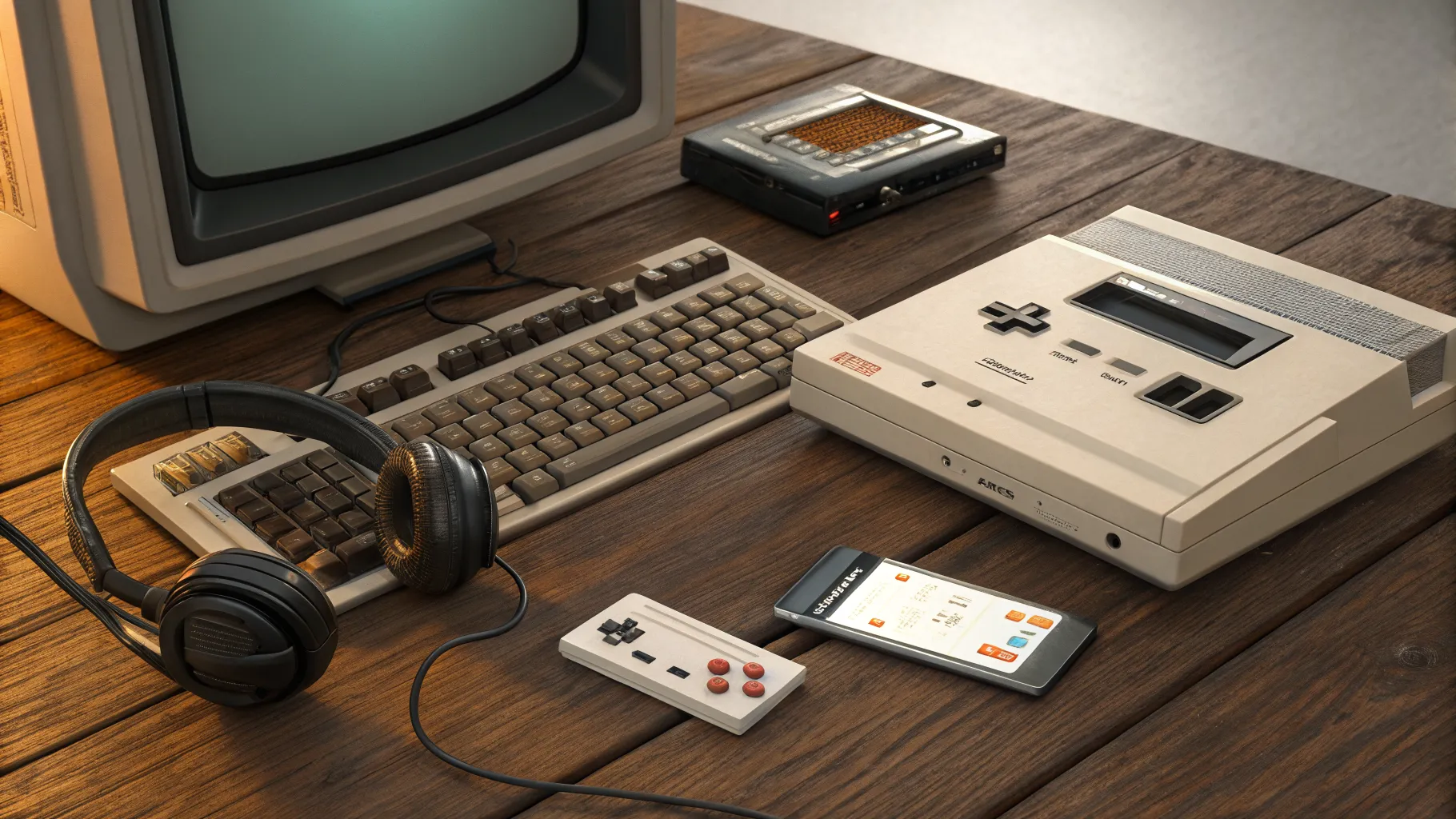
Early Personal Computers
The beige boxes that once heralded the dawn of the digital age are now prized artifacts. Computers from the late 1970s and early 1980s represent a pivotal moment in history, and certain models are extremely valuable. The Apple I, for instance, is one of the holy grails of tech collecting, with functional units selling for hundreds of thousands of dollars due to their extreme rarity and connection to Apple's founders.
Other notable collectibles include the Commodore 64, especially if it is in its original packaging, and the IBM Personal Computer (Model 5150). The value often lies in completeness and condition. A working computer with its original keyboard, monitor, and software manuals is far more desirable than the base unit alone. Limited edition models or those with unique historical provenances can also significantly increase their worth.
Classic Video Game Consoles
For many, the first exposure to interactive digital entertainment came from early video game consoles. Systems that defined a generation, such as the Atari 2600 and the original Nintendo Entertainment System (NES), are now popular collectibles. While millions of these units were sold, finding one in excellent, working condition with its original box and packaging is becoming increasingly difficult, which drives up the value.
Specific versions or bundles can be particularly valuable. For example, a 'Control Deck' NES in its original box with all the inserts is more sought after than a loose console. Rare game cartridges can also be worth a fortune, but the consoles themselves, especially limited editions or early production runs, hold significant value for collectors who want to preserve the complete, authentic experience of that era.
The Enduring Appeal of Vintage Audio
Long before digital streaming, high-fidelity audio was an art form, and the equipment from that era is experiencing a major revival. Turntables, amplifiers, and receivers from the 1960s and 1970s are prized for their superior build quality and the warm, rich sound they produce. Brands like Marantz, Pioneer, and McIntosh built receivers with solid metal construction and discrete analog components that many audiophiles still prefer today.
The Technics SL-1200 turntable is another iconic piece, celebrated for its durability and performance by DJs and music lovers alike. When searching for vintage audio, functionality is key. Equipment that has been well-maintained or professionally restored commands the highest prices. Original knobs, clean faceplates, and functioning lights all contribute to the overall value and desirability of these classic audio components.
Iconic Mobile and Handheld Devices
The devices that put computing power and communication in our pockets have also become collectible. The original 2007 Apple iPhone, still sealed in its box, is a prime example of a modern gadget turned valuable antique. Its launch changed the world, and pristine examples are now artifacts of that technological revolution. Similarly, early 'brick' phones like the Motorola DynaTAC 8000X are rare and symbolize the very beginning of mobile telephony.
In the world of handheld gaming, the original Nintendo Game Boy is a cultural icon. While common, units in mint condition with their boxes are highly collectible. Other less common handhelds, like the Sega Game Gear or Atari Lynx, are also gaining value, especially if they are in full working order with no screen damage. The value of these devices is tied to both their cultural impact and the nostalgia they evoke for a generation of users.
What Determines Collectible Value?
Several key factors separate a piece of old junk from a valuable electronic collectible. Understanding these can help you identify potential treasures. The most important elements include:
- Condition: A device in mint or near-mint cosmetic condition will always be worth more than one with scratches, dents, or broken parts. Functionality is also critical; a working item is far more valuable than a non-working one.
- Original Packaging: The original box, manuals, inserts, and accessories drastically increase value. A complete, in-box item can be worth several times more than the device alone.
- Rarity: Limited production runs, special editions, or models that were not commercially successful at the time can become incredibly rare and, therefore, more valuable to collectors.
- Historical Significance: Was the device a first of its kind? Did it change the industry or define a new category? Items like the first iPhone or the first Sony Walkman have an intrinsic value due to their place in history.
Where to Find and Verify Retro Tech
Finding these vintage gems requires a bit of searching. Online auction sites are the most common marketplaces, but prices can be high. You might have better luck at local sources like flea markets, garage sales, and estate sales, where sellers may not be aware of an item's true value. Specialized online forums and communities dedicated to retro computing or gaming can also be great places to find items and gain knowledge.
When considering a purchase, verification is crucial. Check serial numbers to confirm production dates and model authenticity. Look for signs of repair or modification, as originality is paramount for most serious collectors. Ask for detailed photos and, if possible, a video showing the device in operation. Being an informed buyer is the best way to build a collection of genuine and valuable retro electronics without overpaying for items that are not as rare or well-preserved as they seem.