Understanding Tired Eyes and Blurry Vision in Evening
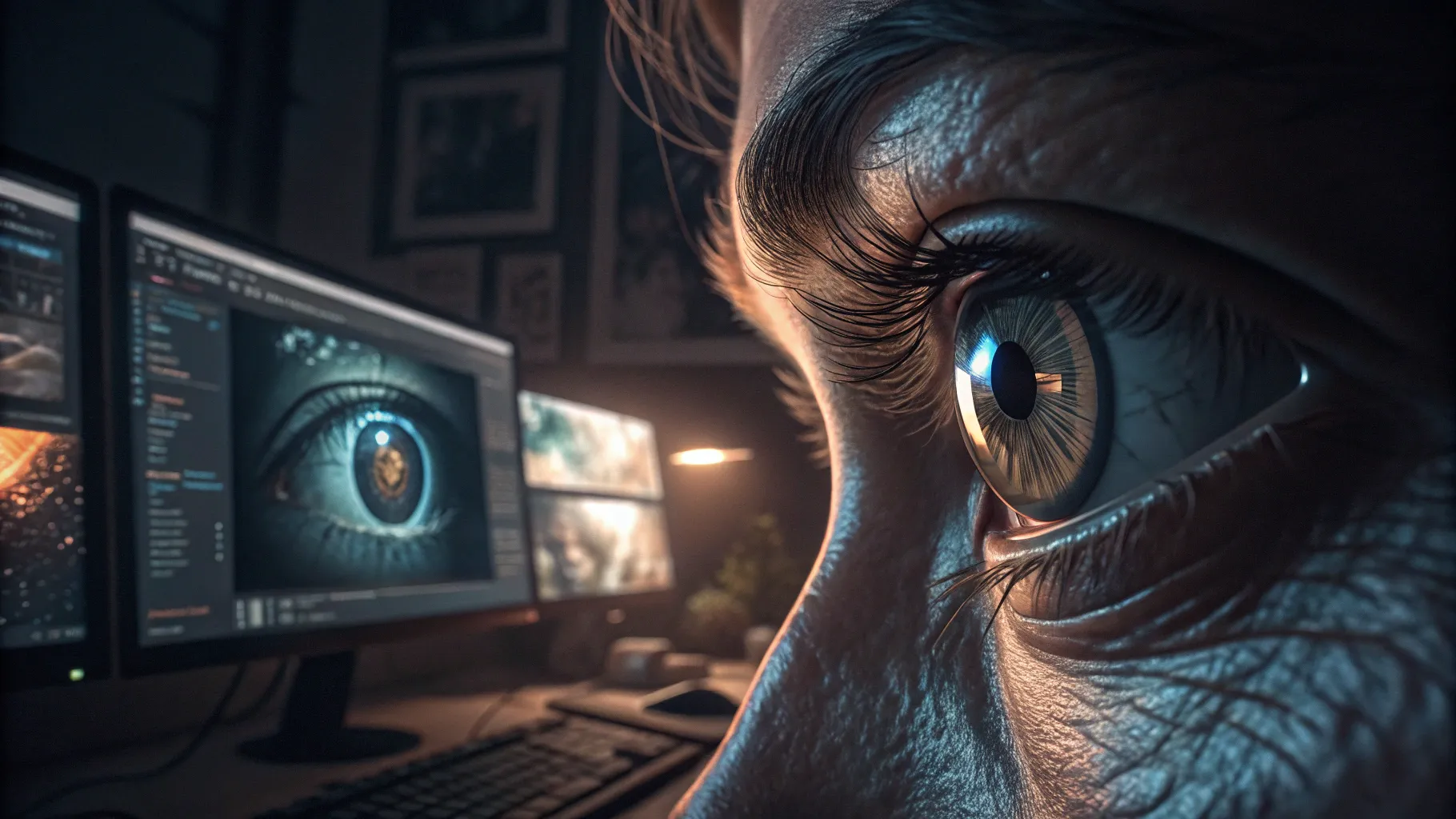
Understanding Evening Blurry Vision and Eye Fatigue
With the increase in screen time and the aging population, more people are experiencing tired eyes and blurry vision, especially in the evening. As we navigate our daily lives through smartphones, laptops, and tablets, it’s essential to understand what causes these symptoms and how we can manage them effectively. Here, we explore the causes of eye fatigue, the impact of aging on vision, and tips for better eye health.
What Causes Evening Blurry Vision?
Evening blurry vision often occurs after long periods of screen time or strenuous near-vision work, leading to a condition known as digital eye strain. A recent report indicates that approximately 60% of adults experience some form of eye strain related to prolonged screen use, primarily resulting from poor lighting and uninterrupted focus.
Eye Fatigue Causes
Eye fatigue is more than just a nuisance. It can significantly impact your daily functioning and well-being. Here are some common causes:
- Extended Screen Time: According to the latest studies, the average American spends over 10 hours a day on screens. This excessive exposure can lead to fatigue and blurred vision.
- Poor Lighting: Work or reading in insufficient light can strain the eyes, making it hard to focus, especially as the day turns into evening.
- Improper Prescription: Using outdated or incorrect eyewear can worsen blurry vision, especially at night when the contrast of light is reduced.
Additionally, many suffer increasingly due to environmental factors. Air quality plays a role; dry or polluted air can irritate the eyes, exacerbating fatigue and discomfort.
Age-Related Changes in Vision
As we age, our eyes undergo several natural changes that contribute to vision challenges, especially in low-light situations. By the age of 60, many experience presbyopia, a condition that makes it challenging to focus on close objects. Furthermore, the lens of the eye loses elasticity, which reduces the ability to adjust to various light conditions. This process can lead to:
- Decreased Contrast Sensitivity: This makes it harder to discern details in low-light settings.
- Increased Sensitivity to Glare: Bright lights can cause discomfort and contribute to blurry vision in the evening.
Interestingly, a recent study published in The Journal of Ophthalmology suggests that many seniors don't realize these changes are a normal part of aging. Thus, they may overlook essential eye care practices that could mitigate fatigue.
Screen Time and Its Effects on Eyes
The surge in digital consumption has been unparalleled. From smartphones to tablets, screens are omnipresent. It's no wonder eye fatigue is escalating among adults, especially in evenings.
Understanding Low-Light Vision Basics
To grasp how to improve evening vision, it’s necessary to understand the basics of low-light vision. The eyes rely on rod-shaped photoreceptors located in the retina, allowing the perception of light but not color. Poor light conditions can reduce their function, leading to blurry or distorted vision. A study from the National Eye Institute revealed that nearly 70% of older adults struggle with these challenges, emphasizing the need for effective strategies to tackle this issue.
Strategies to Reduce Eye Fatigue
Here are some effective strategies you can adopt to combat tired eyes and blurry vision:
- The 20-20-20 Rule: Every 20 minutes, look at something 20 feet away for at least 20 seconds. This simple technique gives your eyes a much-needed break.
- Adjust Lighting: Ensure you have sufficient and well-distributed lighting in your workspace to minimize contrast fatigue.
- Utilize Artificial Tears: Over-the-counter lubricating drops can help alleviate dryness associated with prolonged screen time.
Moreover, wearing blue light blocking glasses can help to reduce the strain that many experience from prolonged screen exposure, especially in the evening. The blue light emitted by screens can disrupt sleep patterns by interfering with melatonin production, consequently worsening eye fatigue.
Aging Vision Patterns
In many cases, the patterns of vision changes observed in older adults are often mistaken for eye diseases. For instance, fluctuations in vision at night may be incorrectly attributed to cataracts or macular degeneration. Educating ourselves about aging vision is vital for recognizing that many of these changes are benign and part of the body’s natural processes.
- Regular Eye Check-Ups: Routine eye exams, especially after 40, can help detect changes in vision habits and allow for timely interventions.
- Proper Nutrition: Foods rich in antioxidants, such as leafy greens and fish, are beneficial for eye health and vision, particularly as awareness grows around the importance of diet in maintaining eyesight.
Finally, it’s essential to heed the signs your eyes are giving you. Ignoring symptoms like evening blurry vision or persistent eye fatigue could lead to long-term repercussions. Balancing screen time with eye care techniques is crucial, making it easier to maintain not just eye health but overall well-being.
In this age of digital reliance, understanding vision is fundamental in embracing a lifestyle that prioritizes eye health. As we continue to evolve with technology and adjust our habits, embracing these practices can ensure our vision remains clear and vibrant, even in the dim light of evening.