Understanding Thyroid Eye Disease: Symptoms, Causes, and Management
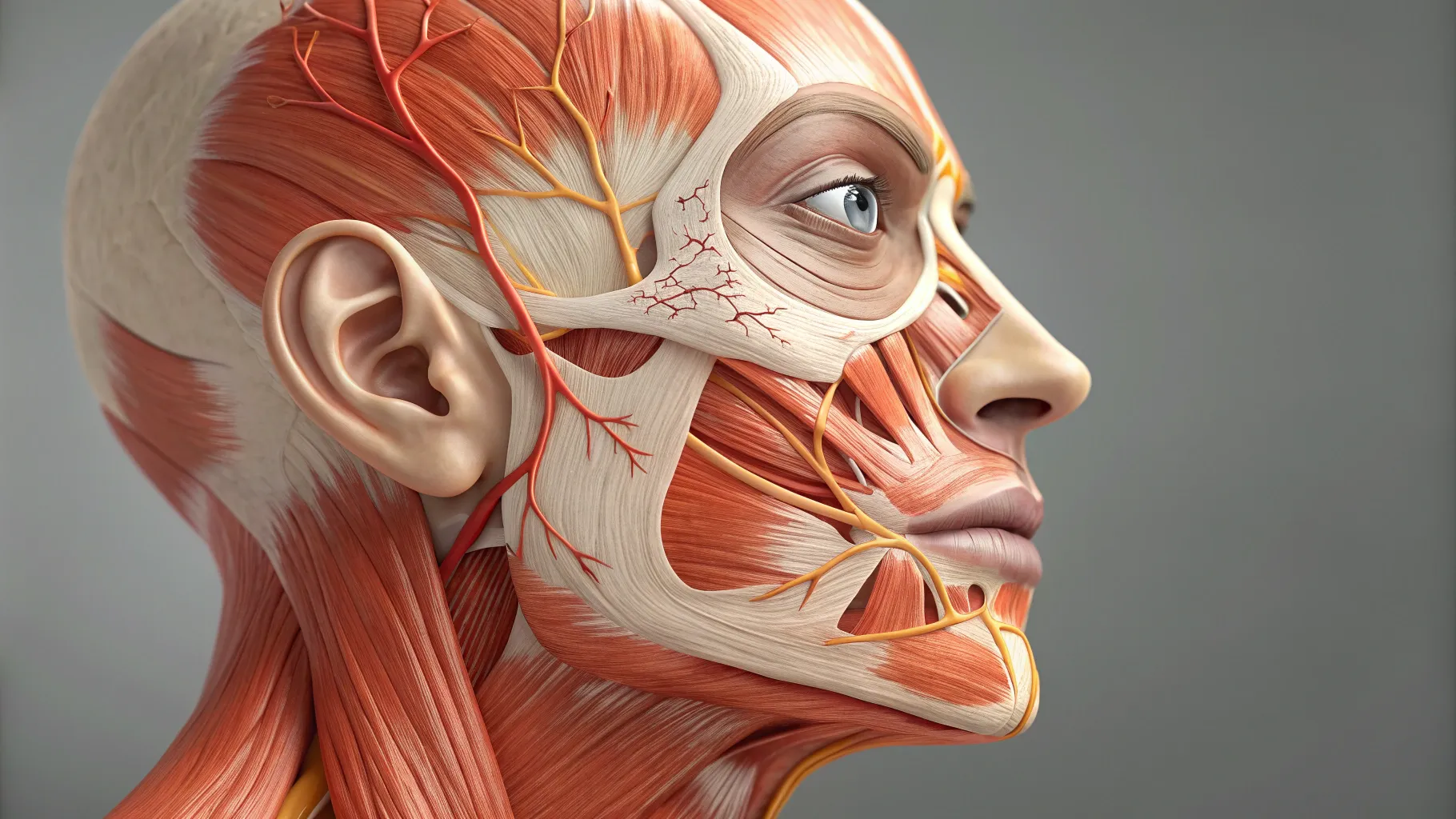
Thyroid Eye Disease (TED), also known as Graves' ophthalmopathy or orbitopathy, is an autoimmune condition where the body's immune system attacks the tissues surrounding the eyes. This can lead to a range of uncomfortable and sometimes sight-threatening symptoms. Gaining a clear perspective on this condition is the first step toward effective management. This article provides essential information for a better understanding thyroid eye disease, from its initial signs to its underlying causes.
What is Thyroid Eye Disease?
So, what is thyroid eye disease? It's an autoimmune disorder in which the immune system mistakenly targets the muscle and fat tissue behind and around the eyes. While it is most commonly associated with Graves' disease, an overactive thyroid condition (hyperthyroidism), TED can also occur in individuals with an underactive or even normally functioning thyroid gland. The inflammation caused by the immune response leads to the hallmark signs of the disease.
Common Thyroid Eye Disease Symptoms
The signs of TED can vary significantly from person to person, ranging from mild to severe. It's crucial to recognize these indicators early for timely intervention. Being aware of the primary thyroid eye disease symptoms is key for anyone at risk.
Key Symptoms to Watch For:
- A feeling of grit or sand in the eyes.
- Excessive tearing or, conversely, very dry eyes.
- Redness and inflammation of the white part of the eye.
- Pain or pressure in or behind the eyes.
- Puffy, swollen eyelids.
- Bulging or a 'stare-like' appearance of the eyes (proptosis).
- Double vision (diplopia).
- Sensitivity to light.
Thyroid Eye Swelling Information
One of the most distinct symptoms is eye swelling. This occurs because the inflamed tissues behind the eye begin to expand, pushing the eyeball forward. For accurate thyroid eye swelling information, it's important to know that this swelling affects both the fatty tissue and the muscles that control eye movement. This pressure can not only cause the noticeable bulging but may also, in severe cases, compress the optic nerve, potentially impacting vision. The swelling of the eyelids themselves is due to fluid retention and inflammation in the soft tissues.
Primary Thyroid Eye Irritation Causes
The persistent irritation felt by many with TED stems from several factors. Understanding the main thyroid eye irritation causes can help in managing discomfort. The forward movement of the eyeballs can prevent the eyelids from closing completely, leading to corneal exposure and severe dryness. Furthermore, inflammation of the eye's surface and the glands that produce tears can disrupt the normal tear film, exacerbating feelings of dryness, grittiness, and overall irritation.
Diagnosis and Management of TED
Diagnosing TED typically involves a combination of a physical examination by an ophthalmologist, a review of symptoms, and sometimes imaging tests like a CT scan or MRI to view the tissues behind the eyes. A comprehensive approach is vital for a complete understanding thyroid eye disease and its impact on an individual. Management focuses on relieving symptoms and preventing vision loss. Treatments may include artificial tears, special lenses for double vision, medications to reduce inflammation (such as corticosteroids or newer biologic drugs), and in more advanced cases, surgical procedures to correct eyelid position or relieve pressure on the optic nerve.
References:
https://www.nei.nih.gov/learn-about-eye-health/eye-conditions-and-diseases/thyroid-eye-disease
https://www.mayoclinic.org/diseases-conditions/graves-disease/symptoms-causes/syc-20356240
https://www.btf-thyroid.org/thyroid-eye-disease-a-guide-for-patients