Understanding Thyroid Eye Disease: A Guide to Symptoms, Swelling, and Causes
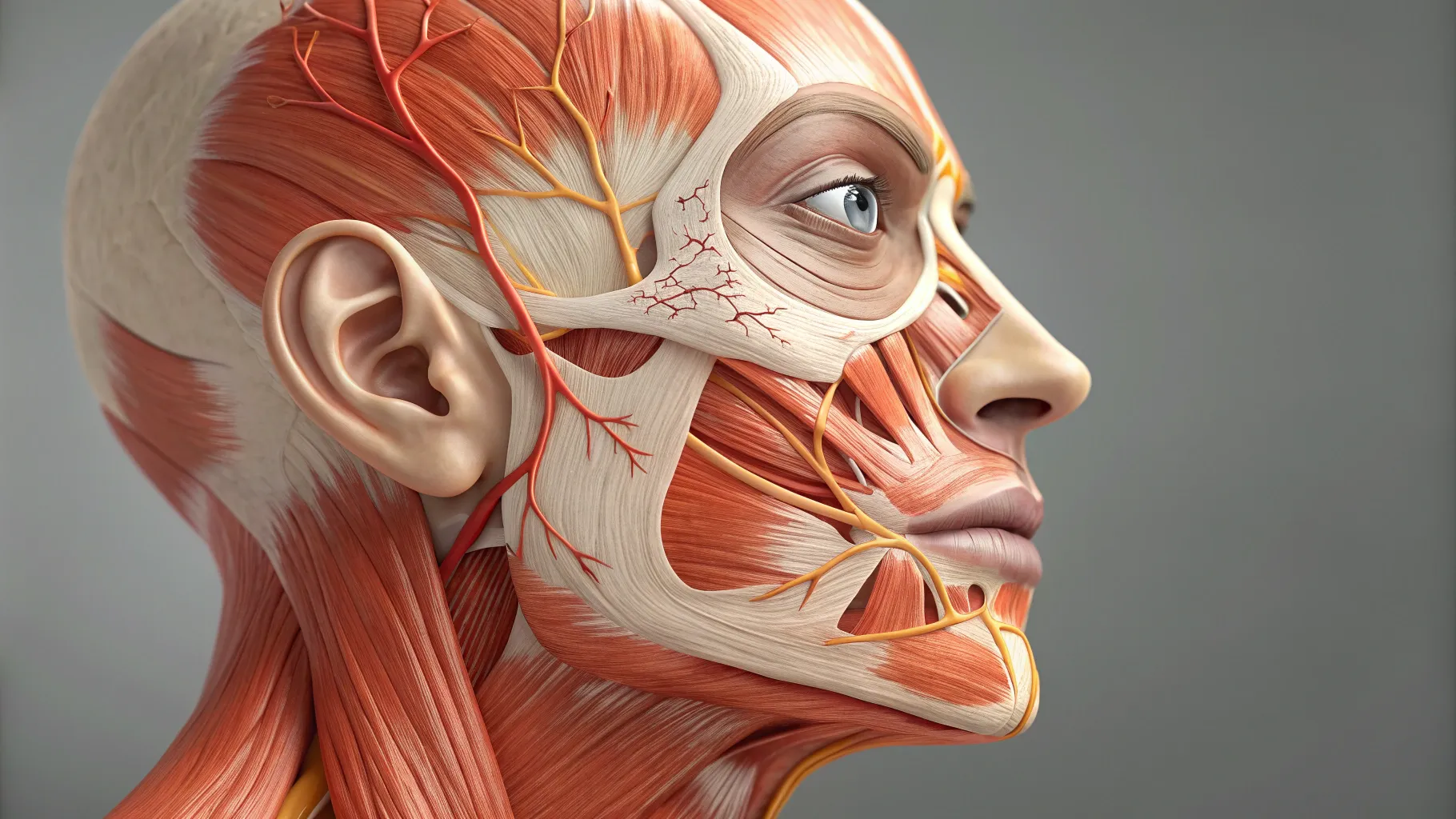
Thyroid Eye Disease (TED), also known as Graves' orbitopathy, is an autoimmune condition where the body's immune system attacks the tissues surrounding the eyes. This condition is closely linked to Graves' disease, an autoimmune disorder that causes hyperthyroidism (overactive thyroid). However, it's important to know that TED can occur even with normal or low thyroid levels. This article provides essential information for a clearer understanding of this complex condition.
What is Thyroid Eye Disease?
At its core, TED is an inflammatory condition affecting the eye muscles, eyelids, tear glands, and fatty tissues behind the eye. The autoimmune response causes these tissues to become inflamed and swollen. While it's most commonly associated with an overactive thyroid, the severity of the eye symptoms doesn't always correlate with the severity of the thyroid dysfunction. The primary goal for patients and doctors is understanding thyroid eye disease as a separate, though related, issue to manage its unique challenges effectively.
Common Thyroid Eye Disease Symptoms
The signs and symptoms of TED can range from mild to severe and may develop gradually. Recognizing them early is key to managing the condition and preventing potential complications. Many patients report a feeling of pressure or pain behind the eyes.
Key thyroid eye disease symptoms include:
- A gritty, sandy feeling or irritation in the eyes.
- Dryness or excessive tearing.
- Redness and inflammation of the white part of the eye.
- Eyelid retraction, where the eyelids pull back, giving a staring appearance.
- Bulging of the eyes, known as proptosis or exophthalmos.
- Double vision (diplopia), caused by swelling of the eye muscles.
- Sensitivity to light.
Primary Thyroid Eye Irritation Causes
The fundamental answer to what triggers this condition lies in the autoimmune process. The body mistakenly identifies the proteins in the tissues behind the eye as foreign, similar to the proteins on the thyroid gland itself. This triggers an inflammatory attack. The main thyroid eye irritation causes are the resulting inflammation and swelling of the orbital tissues. This process leads to dryness as the eyelids may not close properly and causes the characteristic redness and gritty sensation that patients experience.
Essential Thyroid Eye Swelling Information
The swelling of fatty tissues and muscles behind the eye is a hallmark of TED. This increase in volume within the fixed, bony space of the eye socket (orbit) pushes the eyeball forward, causing it to bulge. This is some of the most critical thyroid eye swelling information because this pressure can, in rare but serious cases, compress the optic nerve, potentially leading to vision loss. The swelling also affects the muscles that move the eye, leading to misalignment and double vision. Managing this inflammation is a primary focus of treatment.
Diagnosis and Modern Management of TED
Diagnosing Thyroid Eye Disease typically involves a physical examination of the eyes, blood tests to check thyroid hormone levels, and sometimes imaging tests like a CT scan or MRI to view the muscles and tissues around the eyes. Management strategies vary based on the severity and activity of the disease. Mild cases may be managed with lubricating eye drops, special glasses to correct double vision, and selenium supplements. More active or severe cases might require medications like corticosteroids or newer biologic drugs to reduce inflammation. In some instances, surgical procedures may be necessary to correct eyelid position, realign the eyes, or relieve pressure on the optic nerve.
References:
www.mayoclinic.org/diseases-conditions/graves-disease/symptoms-causes/syc-20356240
www.nei.nih.gov/learn-about-eye-health/eye-conditions-and-diseases/thyroid-eye-disease
www.thyroid.org/thyroid-eye-disease/