Understanding Thin Skin with Age Causes and Care Tips
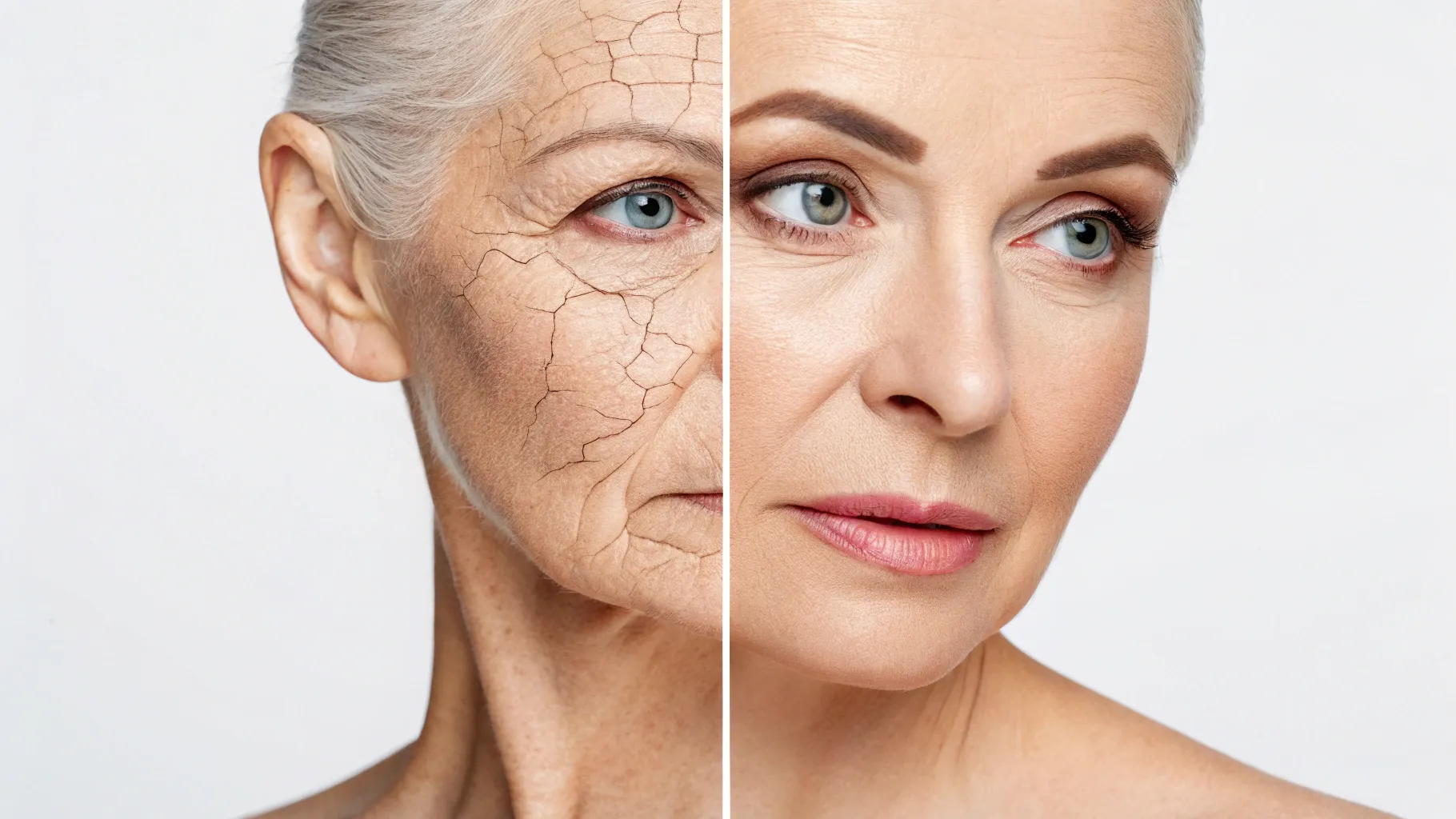
Understanding Why Skin Becomes Thinner With Age
As we navigate through life, our skin experiences significant transformations that can often feel daunting. One of the most common and noticeable changes is the gradual thinning of the skin, a natural part of aging that many people face. This thinning process results in fragile skin that is more prone to bruising, injury, and irritation from external factors. Let’s explore the factors contributing to thinning skin, with an emphasis on the aging skin structure and the significant decline in collagen production.
Key Reasons Behind Thinning Skin
Thinning skin is a widespread concern, particularly as individuals reach their 30s and 40s. At this stage, the body’s capacity to produce collagen—a vital protein that maintains skin firmness and elasticity—begins to significantly decrease. According to dermatological research published in recent months, by the age of 50, women can experience up to a 30% reduction in collagen levels. This collagen decline continues at an alarming rate of about 1% annually thereafter.
The ramifications of this reduction in collagen are profound. The aging skin structure becomes less resilient and more fragile, leading to an overall decrease in firmness and elasticity. However, the loss of collagen isn’t the only factor at play; there’s also a reduction in the fatty layer under the skin. This natural fat acts as a cushioning barrier and contributes to a youthful appearance. As these fat layers diminish over time, skin may appear saggy and susceptible to further wrinkles, notably around the eyes, cheeks, and neck. Adding to this complexity is the impact of hormonal changes, particularly during significant life events such as menopause. Research from early 2025 indicates that postmenopausal women frequently report increased skin dryness, exacerbated by hormonal fluctuations, leading to drier and more fragile skin. This emphasizes the importance of understanding the skin barrier awareness to protect against external irritants.
- Sun Damage: A lifetime of UV exposure can accumulate and result in pigmentation issues, which weakens the skin.
- Environmental Factors: Factors such as pollution, smoking, and poor dietary habits can accelerate skin aging more than one might expect.
- Genetics: Some individuals may have a genetic predisposition that slows down their skin aging process.
Data from a recent study conducted by the Skin Health Institute illustrates that individuals over the age of 65 have skin that is nearly 20% thinner compared to those in their 20s and 30s. Such findings reinforce the necessity of understanding senior skin changes and the challenges these can pose.
Collagen Reduction and Its Effects
Among the myriad factors contributing to thinning skin, the reduction of collagen stands out. Collagen essentially acts as the supportive scaffolding of the skin, providing structure, strength, and elasticity. When collagen levels diminish, skin loses its ability to maintain its firmness and begins to sag over time.
This decline is often accompanied by a decrease in elastin—a protein that is just as crucial for skin elasticity. Together, the diminishing levels of collagen and elastin lead to visible aging signs such as pronounced wrinkles, sagging, and an overall less radiant complexion. Furthermore, a recent survey published in 2025 highlights that close to 70% of people in their 50s report witnessing visible thinning and sagging skin, which can substantially affect self-esteem.
Regular skincare routines that focus on replenishing collagen—through products rich in peptides, vitamins, and antioxidants—can play a vital role in mitigating some of these aging effects. This makes it increasingly important to choose skincare products wisely and to incorporate elements that actively support skin health.
Addressing Thinning and Fragile Skin
In light of these changes, adapting a thoughtful skincare regimen is essential for maintaining skin health as we age. Simple awareness and proactive measures can lead to significant improvements in skin texture and appearance. Here are some effective strategies:
- Hydration: Staying hydrated by drinking sufficient water and utilizing moisturizing products combats dryness, helping to preserve skin elasticity.
- Sun Protection: Daily application of sunscreen is crucial. Not only does it protect against harmful UV rays, but it also helps maintain collagen levels.
- Nutrition: Eating a diet rich in antioxidants, healthy fats, and vitamins can nourish the skin from the inside out, providing necessary nutrients for repair and hydration.
- Skin Treatments: Consider topical formulations like retinoids or vitamin C serums that can aid collagen production and enhance overall skin tone.
Additionally, modifying lifestyle habits can significantly enhance skin vitality. Reducing or eliminating smoking and excess alcohol intake, engaging in regular physical activity, and managing stress levels can all contribute to better skin health and overall well-being.
As we adapt to ensure our skin ages gracefully, understanding the basics of how skin becomes fragile with time equips us with the knowledge needed to take proactive steps. By implementing protective strategies and being mindful of the natural changes that occur, individuals can navigate the unique journey of aging with enhanced confidence and grace.
In essence, while the thinning of skin marks the passage of time, it does not dictate how we feel about ourselves or how we present ourselves to the world. With routine care and an informed approach, achieving healthy, resilient skin at any age is possible.