Understanding the Warning Signs of a Leaky Heart Valve
Your heart has four valves that act like one-way doors, ensuring blood flows in the right direction. When one of these valves doesn't close properly, blood can leak backward, a condition known as a leaky heart valve or regurgitation. While some cases are mild and may not cause noticeable issues for years, others can be more serious and require attention. Recognizing the early warning signs is an important step in managing your heart health.
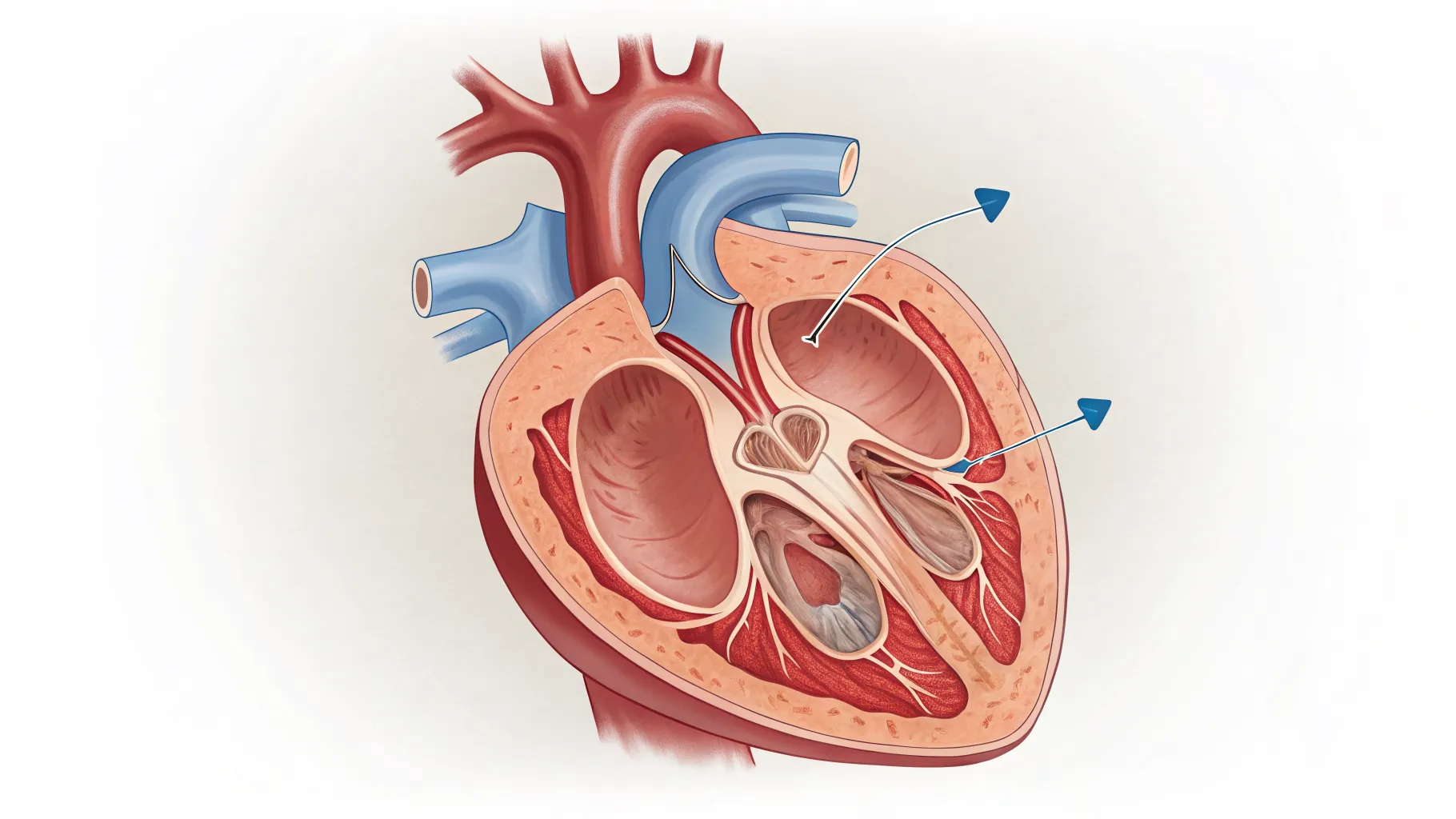
What Is a Leaky Heart Valve?
A leaky heart valve occurs when a valve fails to seal completely, allowing blood to flow backward into the chamber it just left. This can happen to any of the four heart valves: the mitral, tricuspid, aortic, or pulmonary valve. The condition forces the heart to work harder to pump the same amount of blood throughout the body, which can lead to various complications over time if left unaddressed.
The severity of a leaky valve can range from trivial and mild to moderate and severe. In mild cases, a person may not experience any symptoms at all. However, as the condition progresses, the extra workload on the heart can lead to noticeable signs that something isn't right. Understanding these symptoms is crucial for early detection and management.
Shortness of Breath (Dyspnea)
One of the most common symptoms of a leaky heart valve is shortness of breath, medically known as dyspnea. This can occur during physical activity, when you're lying down flat, or even wake you up at night. The sensation arises because the backward flow of blood can increase pressure in the blood vessels of the lungs, causing fluid to accumulate.
You might initially notice that activities you once found easy, like climbing stairs or walking briskly, now leave you feeling winded. In more advanced stages, you may feel breathless even while at rest. If you find yourself needing to prop your head up with extra pillows to breathe comfortably at night, it's a sign that should be discussed with a doctor.
Fatigue and Reduced Physical Ability
Constant tiredness or fatigue that isn't relieved by rest is another key warning sign. When a heart valve is leaky, the heart isn't pumping blood as efficiently as it should. This means your body's muscles and organs may not be receiving enough oxygen-rich blood to function optimally, leading to a persistent feeling of exhaustion.
This lack of efficient blood flow can also diminish your ability to engage in physical activities. You may find that your stamina has decreased significantly or that you feel weak during exercise. This isn't just normal tiredness; it's a profound lack of energy that can interfere with your daily life and routines.
Heart Palpitations or a Heart Murmur
Many individuals with a leaky heart valve experience heart palpitations. This can feel like a rapid, fluttering, or pounding sensation in the chest. These irregular heartbeats occur as the heart tries to compensate for the inefficient blood flow caused by the faulty valve. While palpitations can be caused by many factors, their persistence is a reason to seek medical advice.
Often, the first sign of a leaky valve is a heart murmur detected by a doctor during a routine check-up. A murmur is an unusual sound, like a whooshing or swishing noise, heard between heartbeats. While many heart murmurs are harmless, some can indicate an underlying valve problem that warrants further investigation through tests like an echocardiogram.
Swelling in the Legs, Ankles, or Abdomen
When the heart struggles to pump blood effectively, fluid can build up in various parts of the body. This condition, known as edema, is a common sign of a more significant leaky heart valve, particularly affecting the tricuspid valve on the right side of the heart. The fluid retention often manifests as swelling in the legs, ankles, and feet.
You might notice that your shoes feel tighter than usual or see indentations left on your skin after pressing on the swollen area. In some cases, fluid can also accumulate in the abdomen, causing a feeling of bloating or fullness. Unexplained weight gain can also be a result of this fluid retention.
Dizziness, Lightheadedness, or Fainting
Feeling dizzy, lightheaded, or even fainting (syncope) can be alarming symptoms associated with a leaky heart valve, especially a leaky aortic or mitral valve. These sensations occur when the brain isn't receiving a consistent supply of oxygenated blood due to the heart's reduced pumping efficiency. This is particularly noticeable when you change positions quickly, such as standing up from a sitting or lying position.
While an occasional dizzy spell can be benign, frequent or severe episodes of lightheadedness should not be ignored. Fainting, in particular, is a serious symptom that requires immediate medical evaluation to determine the underlying cause and prevent potential injury from falls.