Understanding the Primary Causes of Heart Valve Disorders
Facts:
- Heart valve disease affects millions of people globally.
- Aging populations are seeing increased rates of degenerative valve disease.
Unraveling the Origins: Key Factors Behind Heart Valve Malfunction
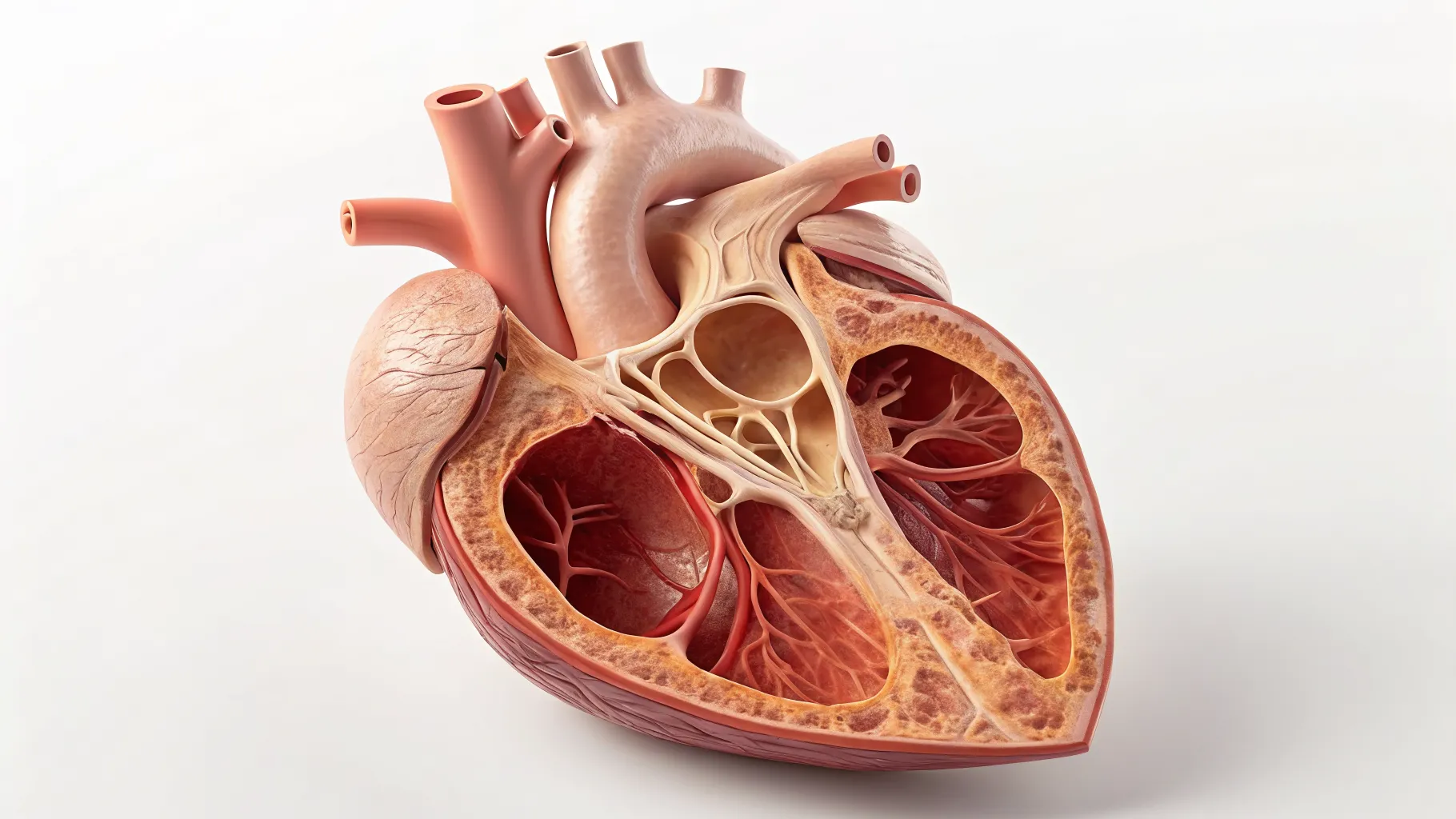
The heart's four valves—mitral, tricuspid, aortic, and pulmonary—act as one-way gates, ensuring blood flows in the correct direction through the heart's chambers. When one or more of these valves fail to open or close properly, it disrupts blood flow and forces the heart to work harder. Understanding the causes of heart valve disorders is the first step toward diagnosis, management, and prevention. These issues can stem from a wide array of factors, ranging from conditions present at birth to diseases acquired later in life. Exploring the various heart valve disease causes reveals a complex interplay of genetics, infections, age-related changes, and other underlying health problems, all contributing to why these critical structures may falter.
Congenital Defects: When Problems Start at Birth
One of the primary reasons why heart valve problems occur is due to congenital heart defects, which are structural problems with the heart present at birth. These defects can affect the size, shape, or formation of the heart valves. For example, a valve might be bicuspid instead of tricuspid (having two leaflets instead of three), like a bicuspid aortic valve, which is one of the most common congenital heart conditions. Other congenital issues include valves that are the wrong size, malformed leaflets that do not close tightly (prolapse), or valves that are narrowed, stiffened, or fused together (stenosis). These abnormalities can disrupt normal blood flow from the moment of birth or, in many cases, may not cause noticeable symptoms until adulthood, when the cumulative strain on the heart reveals the underlying issue. These inherent structural flaws are significant heart valve conditions causes that require lifelong monitoring.
Acquired Conditions: How Lifestyle and Illness Contribute to Valve Damage
While some are born with valve issues, many people develop them over time due to other medical conditions or infections. These acquired causes are incredibly varied and represent a significant portion of diagnoses. Understanding these external and internal factors is crucial for prevention and management. The damage can be gradual, accumulating over decades, or it can be acute, resulting from a sudden illness. Let's explore some of the most common causes valve disease develops from throughout a person's life.
Rheumatic Fever and Its Lasting Impact
Historically, rheumatic fever, a complication of untreated strep throat or scarlet fever, was a leading cause of valve damage, particularly to the mitral valve. Although less common today due to the widespread use of antibiotics, it remains a significant factor in many parts of the world. The infection triggers an inflammatory response that can permanently scar and stiffen the heart valve leaflets, leading to rheumatic heart disease. This condition is a prime example of how an infection can have long-term consequences, solidifying its place among the key heart valve disease causes.
Infective Endocarditis: A Direct Attack on Heart Valves
Infective endocarditis is an infection of the endocardium, the inner lining of the heart's chambers and valves. It occurs when bacteria, fungi, or other germs from another part of your body, such as your mouth, spread through your bloodstream and attach to damaged areas in your heart. This can lead to the growth of vegetations on the valves, causing severe damage, leakage, or obstruction. This direct infection is one of the more aggressive causes of heart valve disorders and often requires immediate and intensive medical treatment to prevent life-threatening complications.
Degenerative Valve Disease: The Wear and Tear of Aging
As the body ages, so do the heart valves. Degenerative valve disease is one of the most common causes valve disease in older adults. Over time, calcium deposits can build up on the valves (calcification), causing them to stiffen and narrow, a condition known as aortic stenosis. The valve's flexible tissue can also weaken and stretch, leading to conditions like mitral valve prolapse, where the leaflets bulge back into the left atrium. High blood pressure, high cholesterol, and atherosclerosis can accelerate these degenerative processes, highlighting the link between overall cardiovascular health and valve function.
Comparing the Two Main Problems: Stenosis vs. Regurgitation
Most valve problems fall into two main categories: stenosis and regurgitation (or insufficiency). Understanding the distinction is key to grasping why heart valve problems occur and how they affect the heart. Stenosis refers to the narrowing or stiffening of a valve, which prevents it from opening fully. This obstruction forces the heart muscle to pump harder to push blood through the smaller opening, leading to chamber enlargement and muscle thickening. In contrast, regurgitation occurs when a valve does not close tightly, allowing blood to leak backward. This backward flow, or 'leaky valve,' reduces the heart's efficiency and increases the volume of blood it must pump with each beat. Both conditions are serious heart valve conditions causes that place significant strain on the heart over time, eventually leading to symptoms like fatigue, shortness of breath, and chest pain.
Preventive Strategies and Managing Risk Factors
While not all causes of heart valve disorders are preventable, especially congenital ones, managing certain risk factors can significantly reduce the likelihood of developing acquired valve disease. Taking proactive steps can protect your heart health and mitigate the progression of existing conditions. Here are some actionable steps to consider:
- Prompt Treatment of Infections: Always seek prompt treatment for infections, particularly strep throat. Completing the full course of prescribed antibiotics is crucial to prevent complications like rheumatic fever, a major contributor to heart valve disease causes.
- Maintain Good Oral Hygiene: Bacteria from gum disease can enter the bloodstream and lead to infective endocarditis. Regular dental check-ups, brushing, and flossing are essential preventive measures.
- Control Blood Pressure and Cholesterol: High blood pressure and high cholesterol contribute to atherosclerosis and calcification, which can damage heart valves over time. A heart-healthy diet, regular exercise, and prescribed medications are vital for management.
- Avoid Illicit IV Drug Use: Using non-sterile needles can introduce bacteria directly into the bloodstream, dramatically increasing the risk of endocarditis, one of the most dangerous causes of heart valve disorders.
- Regular Medical Check-ups: Routine check-ups allow your doctor to listen for heart murmurs, which can be an early sign of a valve problem. Early detection allows for better management and can slow disease progression.
Frequently Asked Questions
What are the most common causes of heart valve disorders in older adults?
In older adults, the most common causes valve disease develops from are degenerative changes. This includes aortic stenosis, caused by a buildup of calcium deposits that stiffen the aortic valve, and mitral regurgitation, often resulting from the weakening of the valve tissue over time, a condition known as myxomatous degeneration.
Can lifestyle choices lead to heart valve problems?
Yes, indirectly. While lifestyle choices don't typically cause valve disease directly, conditions like high blood pressure, high cholesterol, and diabetes, which are heavily influenced by diet and exercise, can accelerate degenerative valve damage. They are considered significant contributing heart valve disease causes by placing extra strain on the heart and promoting atherosclerosis and calcification.
Is heart valve disease hereditary?
Some heart valve conditions causes have a genetic component. Conditions like bicuspid aortic valve and Marfan syndrome, which can lead to valve problems, are known to run in families. If a close relative has a history of valve disease, especially from a young age, it's important to discuss your personal risk with a healthcare provider.
References
- American Heart Association guidelines on valvular heart disease.
- National Heart, Lung, and Blood Institute research papers.
- Clinical cardiology textbooks and peer-reviewed journals.
- Centers for Disease Control and Prevention (CDC) reports on cardiovascular health.