Understanding the Key Symptoms of Sciatica
Sciatica is a term that describes nerve pain in the leg that is caused by irritation or compression of the sciatic nerve. Originating in the lower back, the sciatic nerve is the longest and thickest nerve in the body. Understanding its symptoms is the first step toward addressing the discomfort it can cause. While many people associate it with simple back pain, the symptoms are often far more complex and specific.
The Primary Symptom: Radiating Pain
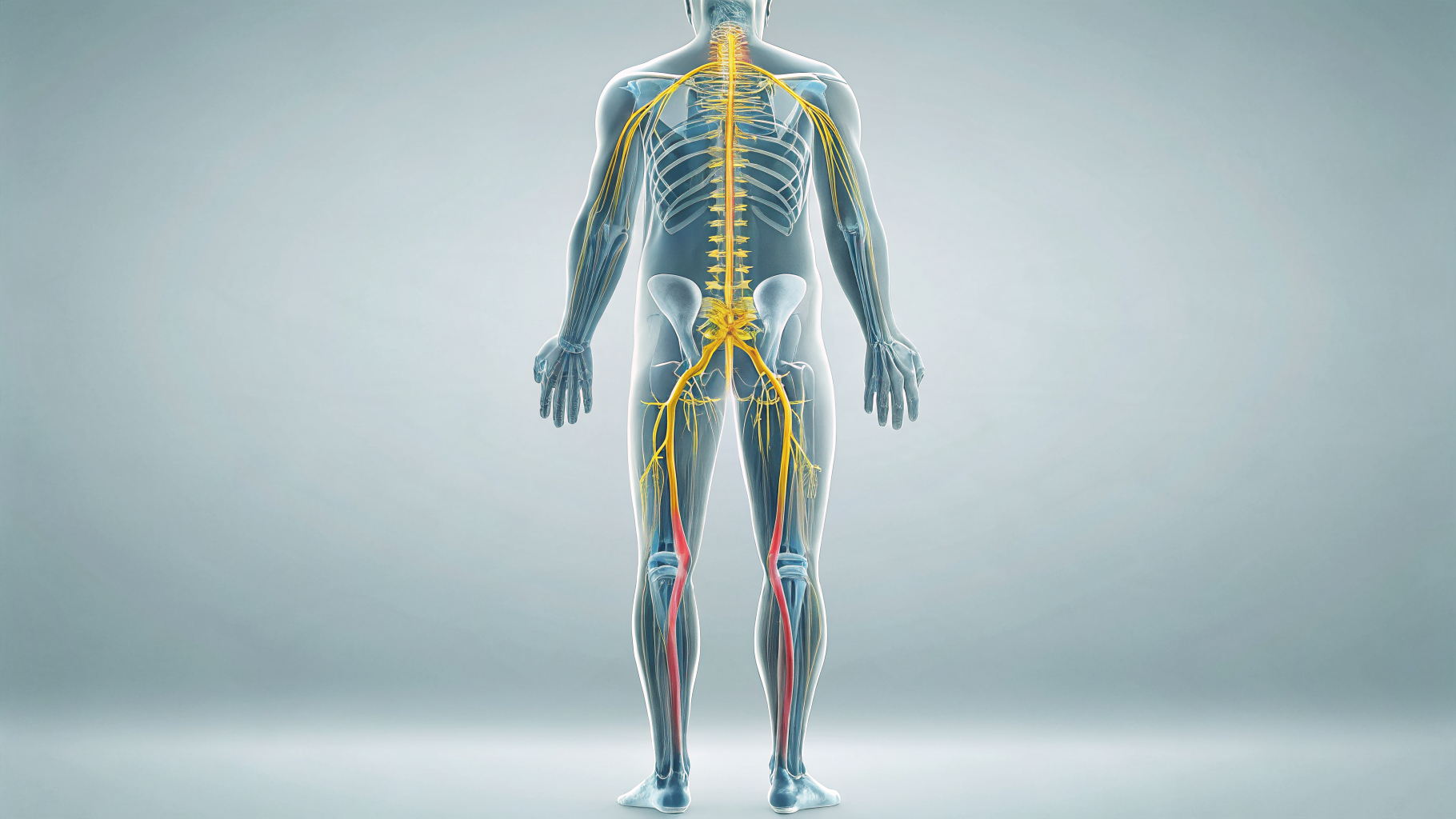
The most defining characteristic of sciatica is pain that radiates from the lower (lumbar) spine to the buttock and down the back of the leg. This leg nerve pain is often the dominant complaint, frequently being more severe than any accompanying lower back discomfort. The pain typically affects only one side of the body, following the path of the sciatic nerve.
The quality of the pain can vary widely among individuals. Some describe it as a mild ache, while others experience a sharp, searing, or jolting sensation. In some cases, the pain can feel like an electric shock or a burning feeling. The intensity can range from infrequent and irritating to constant and incapacitating, making daily activities difficult to perform.
Numbness, Tingling, and Paresthesia
In addition to pain, many people with sciatica experience neurological symptoms like numbness and tingling, medically known as paresthesia. These sensations often feel like 'pins and needles' and can occur in various parts of the affected leg, foot, and toes. You might notice that part of your leg or foot feels like it has 'fallen asleep'.
This lack of sensation can sometimes be more bothersome than the pain itself. The numbness might be localized to a small area or extend along the entire nerve pathway. It results from the same nerve compression or irritation that causes the pain, as the signals traveling along the nerve are disrupted.
Muscle Weakness in the Leg or Foot
When the sciatic nerve is compressed, the signals from the brain to the muscles in the leg and foot can be interrupted. This can lead to noticeable muscle weakness in the affected limb. You might find it difficult to perform certain movements, such as lifting your foot from the floor or standing on your toes.
In some instances, this weakness can be significant enough to cause a condition known as 'foot drop,' which is the inability to lift the front part of the foot. This can cause you to drag your toes on the ground when walking. Any noticeable weakness in the leg or foot is a symptom that warrants a discussion with a healthcare provider.
How Posture and Movement Affect Symptoms
Sciatica pain and other symptoms can often be aggravated or relieved by certain positions and movements. The changes in symptoms are often related to how different postures affect the pressure on the sciatic nerve root in the lower back. Many people find their pain worsens after prolonged periods of sitting or standing.
Certain actions can cause a sudden spike in pain because they increase pressure within the spinal column. These triggers can include:
- Bending forward from the waist
- Twisting the spine
- Lifting heavy objects
- Coughing or sneezing forcefully
- Standing up from a low seated position
Pain That Varies in Location
While the classic path of sciatica pain is down the back of the thigh and calf, the exact location of the symptoms can vary. The sciatic nerve is made up of several nerve roots (L4, L5, S1, S2, S3) that exit the lower spine. The specific nerve root that is being compressed will determine where in the leg you feel the symptoms.
For example, if the L5 nerve root is affected, you might feel pain and numbness on the side of your calf and extending to your big toe. If the S1 nerve root is the source, the pain and tingling might travel down the back of your calf to the outer edge of your foot. Pinpointing the location of the symptoms can help a professional identify the source of the issue.
When to Seek Professional Guidance
While many cases of sciatica resolve with time and self-care, certain symptoms should prompt a visit to a healthcare professional. Persistent pain that doesn't improve after a few weeks, or pain that is severe and progressively worsening, are reasons to seek an evaluation. A proper diagnosis is key to understanding the underlying cause of the nerve irritation.
There are also certain 'red flag' symptoms that require more immediate attention. These include significant leg weakness or numbness, loss of bladder or bowel control, or pain that follows a violent injury or accident. These could indicate a more serious condition that needs to be addressed promptly by a medical expert.