Understanding the Costs of Stair Lifts for Multilevel Homes
For many individuals, navigating stairs in a multilevel home can become a daily challenge. A home stair lift is a mechanical device designed to help people with mobility issues move safely between floors. Understanding the components, types, and especially the costs involved is the first step toward finding a solution that restores access to your entire home.
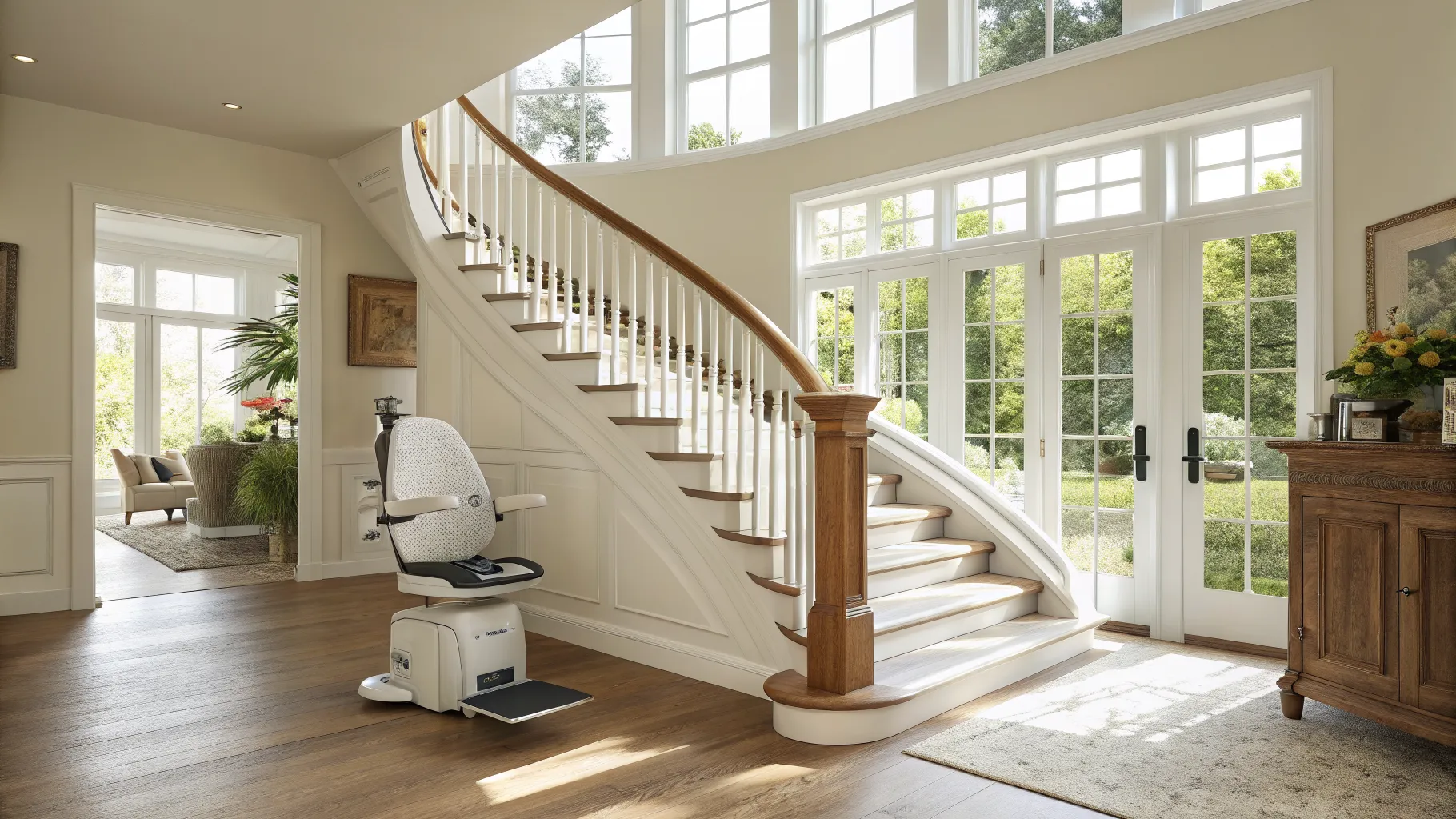
What Exactly is a Home Stair Lift?
A home stair lift, also known as a chair lift, is a motorized seat that travels along a rail or track mounted to your staircase. It is designed to transport a person up and down the stairs while they are comfortably seated. The basic system consists of three main parts: the chair, the track, and the motor. The chair itself is engineered for comfort and safety, typically equipped with armrests, a footrest, and a seatbelt.
The track is custom-fitted to your staircase and installed directly onto the stair treads, not the wall, which minimizes any structural modifications to your home. Most modern stair lifts are battery-powered. They draw a continuous trickle of electricity from a standard wall outlet to keep the batteries charged, ensuring the lift remains operational even during a power outage.
Key Factors That Influence Stair Lift Costs
The price of a stair lift is not a single, fixed number; it varies significantly based on several important factors. The most crucial element is the configuration of your staircase. A simple, straight flight of stairs will be far less expensive than a staircase with curves, turns, or intermediate landings. The overall length of the staircase also plays a direct role in the final cost, as longer tracks require more materials and labor.
Beyond the staircase shape, other elements contribute to the price. These include:
- Model and Brand: Different manufacturers offer various models with different levels of features and quality, which affects the price.
- Weight Capacity: Standard lifts typically support up to 300 pounds, but heavy-duty models with higher weight capacities are available at an increased cost.
- Custom Features: Optional upgrades like premium upholstery, power-folding rails, or custom colors will add to the total expense.
- Installation: While often included in the purchase price, complex installations may incur additional charges.
Straight vs. Curved Stair Lifts: A Major Cost Driver
The distinction between a straight and a curved stair lift is the single largest factor determining the price. A straight stair lift is designed for a single flight of stairs with no bends, turns, or landings. Because these staircases are uniform, the rails can be mass-produced in standard lengths and cut to size on-site. This makes straight stair lifts the most affordable and quickest to install option.
Curved stair lifts, on the other hand, are required for any staircase that turns, bends, or changes direction. Each rail for a curved lift must be custom-manufactured to the precise measurements and angles of the specific staircase. This bespoke engineering and manufacturing process makes curved stair lifts significantly more expensive than their straight counterparts, often two to three times the price.
Exploring Common Features and Optional Upgrades
Modern stair lifts come with a range of standard safety features. These almost always include a seatbelt, safety sensors on the footrest and motor carriage to stop the lift if an obstruction is detected, and a swivel seat. The swivel seat allows the user to turn the chair at the top of the stairs, enabling them to get on and off safely away from the staircase edge.
Many homeowners also opt for additional upgrades to better suit their needs or home layout. A popular option is a powered folding rail at the bottom of the staircase, which automatically folds up and out of the way to prevent it from being a tripping hazard in a hallway or near a doorway. Other upgrades can include premium seating materials, different color choices to match home decor, and powered swivel seats for those with more severe mobility limitations.
The Installation Process and What to Expect
Professional installation by a certified technician is essential for the safe and proper operation of a stair lift. In nearly all cases, the cost of installation is bundled into the overall price from the supplier. The process begins with a home assessment, where a specialist will take detailed measurements of your staircase and discuss your specific needs. Once a model is chosen and a custom rail is built (if needed), the installation itself is surprisingly quick, often taking just a few hours to a full day.
During installation, the technicians will mount the track directly to the stair treads. They will then attach the chair unit, connect the power supply for the charger, and perform extensive testing to ensure everything operates smoothly and safely. A reputable installer will also provide a thorough demonstration of how to use the lift, including all its features and safety mechanisms, before they leave.
Finding a Reputable Supplier
When you begin your search for a stair lift, it is wise to seek out established companies that specialize in mobility solutions or durable medical equipment. These businesses have the expertise to properly assess your home and recommend the right product. It is highly recommended to get quotes from at least three different suppliers to compare prices, models, and service offerings.
When vetting a potential supplier, look for transparency in their pricing, with no hidden fees. Ask about the warranty they offer on parts and labor, as this can vary between companies. Furthermore, inquire about their after-sales support and maintenance plans. A reliable company will provide ongoing service to ensure your stair lift remains in excellent working condition for years to come.