Understanding Stroke Causes and Risk Factors for Prevention
Understanding the Causes of Stroke
Stroke stands as one of the foremost threats to health globally, claiming the lives of millions and inflicting disability on countless others each year. The reality is that a significant number of individuals are not fully aware of the diverse factors and triggers that heighten their risk of stroke. By gaining insight into the causes of stroke, everyone can adopt proactive strategies that contribute to prevention and a healthier lifestyle.
The Two Primary Types of Stroke
Fundamentally, a stroke occurs when blood flow to the brain is obstructed. This interruption can manifest in two main forms: ischemic stroke and hemorrhagic stroke. In an ischemic stroke, blood vessels become blocked, often due to a clot. Conversely, a hemorrhagic stroke arises when blood vessels burst, causing bleeding in or around the brain. Understanding these fundamental differences is crucial for early recognition and intervention.
- High Blood Pressure: Known as hypertension, this condition affects roughly 45% of adults in the United States. It is recognized as a severe stroke risk factor, as prolonged high blood pressure can damage blood vessels over time, leading to blockages or ruptures.
- Heart Disease: Cardiovascular conditions, particularly atrial fibrillation, are significant contributors to stroke risk. They can create blood clots that might break free and travel to the brain, resulting in a stroke. Reports indicate that around 25% of strokes are associated with heart disease.
- Diabetes: Managing diabetes is crucial because this condition elevates the risk of vascular complications, significantly increasing the likelihood of having a stroke. Statistics reveal that nearly 10% of the U.S. population has diabetes, making this a pivotal concern.
- High Cholesterol: With over 40% of adults dealing with high cholesterol, this health issue can lead to atherosclerosis, a condition where arteries become clogged with fatty substances, thereby raising the risk of stroke.
Identifying Stroke Risk Factors
While direct causes of stroke are critical, several risk factors can elevate an individual's susceptibility. Many of these factors are manageable through lifestyle adjustments, which is an encouraging notion for many.
- Age: The risk of stroke escalates significantly with age, especially after the age of 55. As people grow older, medical conditions can compound and increase their vulnerability.
- Family History: Genetics play a notable role in stroke risk. If there is a family history of strokes, an individual’s risk could be doubled, highlighting the importance of awareness in potentially hereditary conditions.
- Tobacco and Alcohol Consumption: Smoking is a major contributing factor to stroke, increasing the risk dramatically. Excessive alcohol intake can also lead to both hemorrhagic and ischemic strokes.
- Obesity and Physical Inactivity: A sedentary lifestyle combined with excess weight contributes to issues like high blood pressure and elevated cholesterol levels, both well-known stroke risk factors.
Triggers That Can Cause a Stroke
For those already at risk, certain triggers can lead to a stroke even if they do not exhibit overt risk factors. Recognizing these triggers is crucial for preventive measures and timely responses.
- Emotional Stress: Stressful situations can cause sudden spikes in blood pressure, which may precipitate a stroke. Learning stress management techniques is vital for those at risk.
- Physical Overexertion: Occasionally, sudden intense physical activity can result in a stroke, particularly in individuals with pre-existing risk factors who have not conditioned themselves adequately.
- Extreme Blood Sugar Fluctuations: For individuals with diabetes, erratic blood sugar levels can have severe consequences for vascular health, significantly increasing stroke risk.
Recent research, especially within the last six months, has shown that demographic shifts and heightened stress levels brought about by events like the pandemic have contributed to increased rates of hypertension. This unsettling trend has been directly linked to a rise in strokes among previously healthy individuals who find themselves coping with new stressors.
Current Statistics and Trends on Stroke Awareness
In 2025, stroke awareness campaigns have gained momentum, emphasizing the importance of early symptom recognition. Signs to look for include sudden confusion, difficulty speaking, or sudden loss of movement on one side of the body. Alarmingly, studies suggest that only 25% of Americans can correctly identify these warning signs, underscoring the pressing need for educational outreach.
According to the National Stroke Association, notable improvements in mortality rates from stroke have been observed, declining by 20% over the last five years. This positive trend is predominantly attributed to advancements in medical treatment and increased public awareness of prevention strategies. Despite these advances, a worrying rise in hypertension prevalence still poses a serious challenge, maintaining stroke risk at critical levels.
Proactive Measures for Brain HealthBeing informed about stroke risk factors is just the beginning. Individuals can take charge of their health through specific proactive steps aimed at promoting long-term brain health.
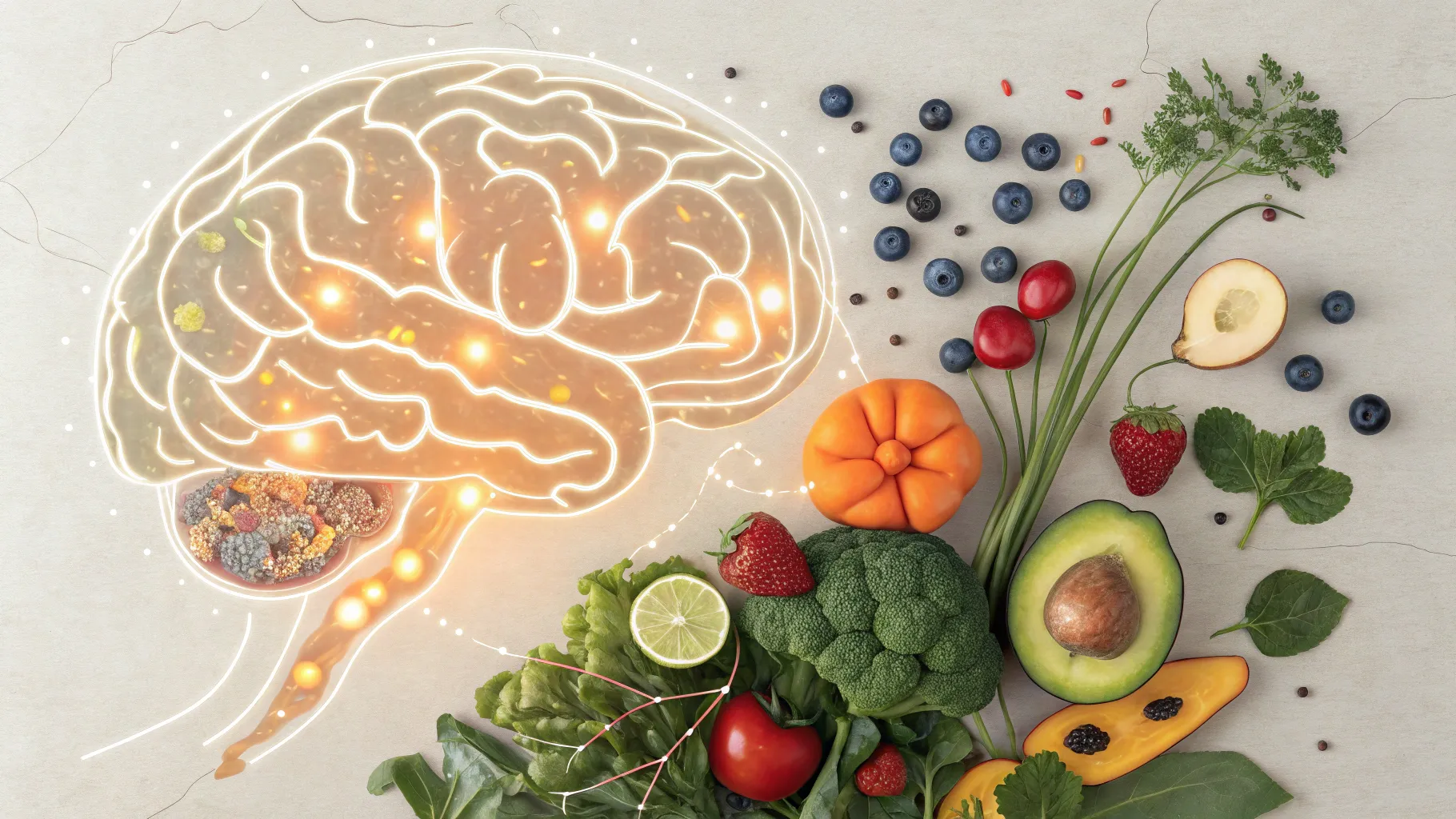
- Maintain a Balanced Diet: Eating a diet rich in fruits, vegetables, whole grains, and lean proteins can significantly benefit overall health, helping to manage cholesterol and blood pressure.
- Engage in Regular Exercise: Moderate physical activity such as biking or walking can greatly diminish the likelihood of a stroke.
- Avoid Tobacco Products: Choosing to quit smoking can drastically lower the risk associated with stroke.
- Implement Stress Management Techniques: Mindfulness practices, meditation, and yoga can combat stress effectively, reducing its potential to trigger a stroke.
Cognizance of the causes of stroke goes beyond mere knowledge; it is about empowering oneself to take charge of one’s health actively. By paying attention to the factors that lead to stroke, individuals can make informed choices that foster healthier living and promote longevity.