Understanding Stages of Stroke Recovery and Rehabilitation
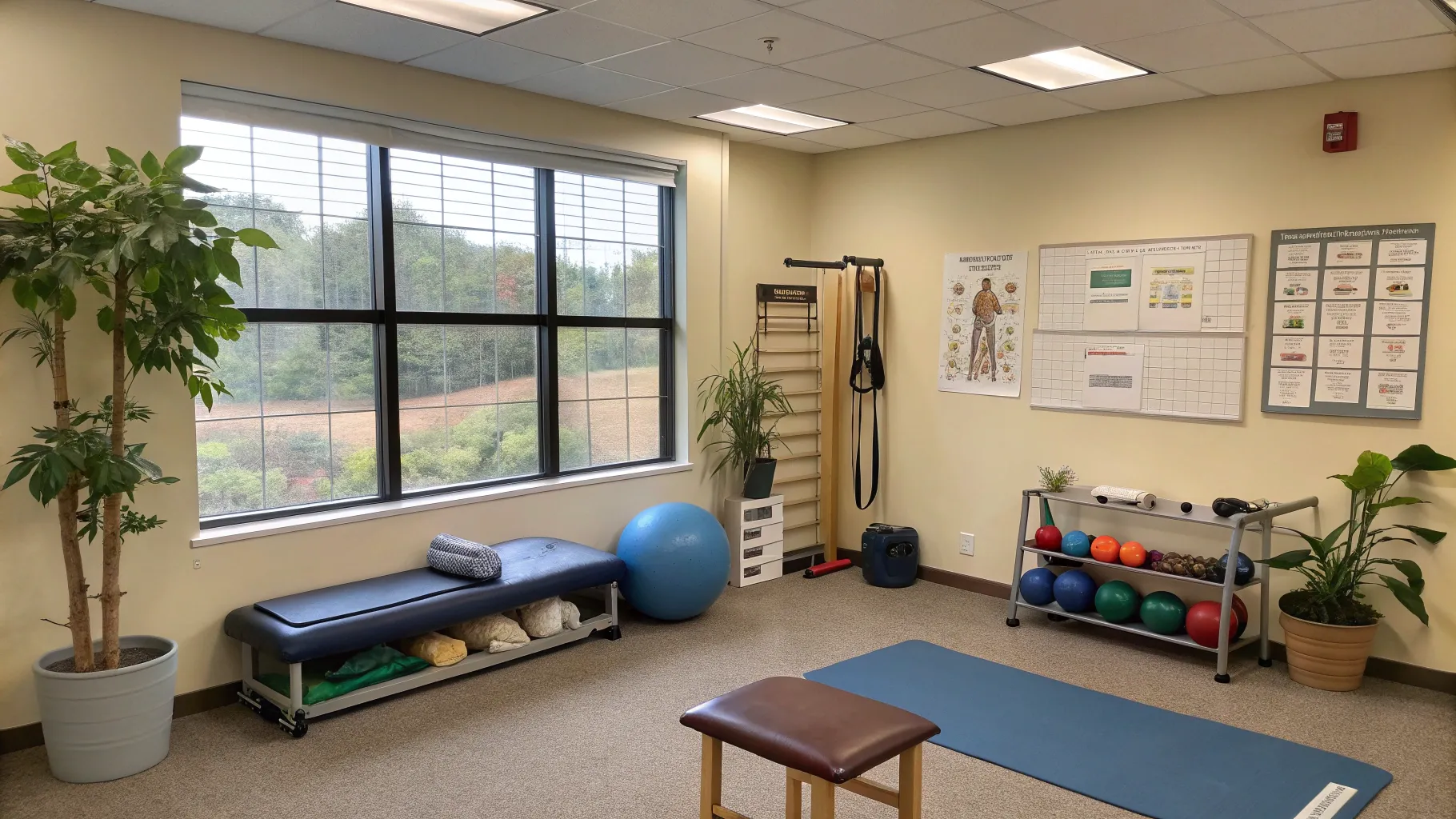
Understanding the Stages of Stroke Recovery
Recovering from a stroke is a complex and individualized process, requiring a robust understanding of stages of stroke recovery for both survivors and their caregivers. As we navigate 2025, recognizing the unique trajectory of stroke recovery is critical in setting realistic expectations and fostering an encouraging environment for rehabilitation.
The Initial Recovery Stage
The journey begins immediately after a stroke. The initial recovery stage, which can last from just a few days to several weeks, primarily aims to stabilize the patient and prevent further brain damage. Thanks to recent advancements in acute stroke treatment, the outlook for stroke patients has improved significantly. It's essential to closely monitor vital signs, manage medications, and provide supportive care during this critical time.
Recent studies indicate that early intervention can reduce disability in stroke patients by up to 40%. It's imperative for families to create a support system early on—be it through emotional support or physical assistance—ensuring engagement in rehabilitation efforts. Encouraging participation in rehabilitation, even with small activities, can promote brain plasticity. For instance, participating in simple exercises soon after the stroke can significantly aid in rewiring the brain's function.
Rehabilitation and Recovery Progress
Following initial stabilization, patients transition into the rehabilitation phase, typically commencing within weeks of the stroke event. This crucial phase often extends for several months, sometimes even years, and focuses on regaining lost skills through personalized stroke rehabilitation therapies. Here, we highlight the three main types of rehabilitation therapies:
- Physical Therapy (PT): Aims to restore mobility and strength, helping patients regain their ability to walk and perform physical tasks.
- Occupational Therapy (OT): Focuses on improving daily living skills, guiding patients to manage household chores and self-care effectively.
- Speech Therapy: Assists individuals with communication challenges, enhancing their ability to express thoughts and understand others.
Statistics reveal that around 90% of stroke survivors engage in some form of rehabilitation. This statistic underscores the importance of commitment to recovery. An example is a patient named Mary, a 68-year-old who, after her stroke, began therapy promptly. Within six months of diligent rehabilitation, she was able to walk unaided and converse effectively, showcasing the immense potential of early intervention.
Addressing Emotional Challenges in Recovery
While physical recovery is paramount, the stroke recovery stage also brings significant emotional hurdles. Anxiety and depression are prevalent among stroke survivors, with recent surveys indicating that over 30% of them report experiencing depressive symptoms. Mental health support is thus integral to recovery, as professionals help patients cope with emotional challenges, ensuring a comprehensive approach to their rehabilitation.
It's important to note that recovery isn't a straightforward path; plateaus in progress are entirely normal and can be disheartening. Emphasizing the idea that recovery will have its ups and downs can help ease frustration. Maintaining open lines of communication between healthcare providers, patients, and their families plays a pivotal role in nurturing a supportive environment throughout this journey.
Long-term Recovery and Adaptation
The final phase of stroke recovery emphasizes long-term adaptation and continuous improvement. Even when a patient appears to have reached their peak recovery, it’s crucial to continue rehabilitation. The landscape of rehabilitation has evolved dramatically in recent years, with technology playing a key role. Innovations like virtual reality and robotics have transformed traditional therapies into more engaging and effective experiences. For example, systems that gamify rehabilitation exercises keep patients motivated while they work on challenging exercises.
Long-term support from healthcare professionals and community resources is vital for achieving sustained recovery. Social interaction also plays a crucial role; many stroke survivors benefit significantly from joining support groups where they can connect with others facing similar struggles, fostering a sense of community and shared experience.
Technological Advancements Enhancing Recovery
In 2025, we observe remarkable progress in the field of stroke recovery, driven by ongoing research and cutting-edge technology. Mobile applications designed to track recovery processes have gained popularity, providing patients with customized exercise regimens and reminders, encouraging them to remain active in their rehabilitation journey. These tools have made a substantial difference in maintaining motivation.
Tele-rehabilitation has surged in popularity, particularly in light of global events within the last year that have necessitated remote care. This development allows stroke survivors to participate in rehabilitation sessions from the comfort of their homes, effectively overcoming barriers related to location. A recent study highlighted that around 65% of stroke patients now prefer virtual follow-ups, appreciating the flexibility these options offer.
Understanding the stroke recovery process is vital for everyone involved. Each stage—whether immediate recovery, active rehabilitation, or long-term adaptation—plays an essential role in helping individuals reclaim their independence and improve their quality of life. Recovery is not merely an endpoint; it is an ongoing journey filled with opportunities for growth and improvement. Through proper support, advanced tools, and diligent effort, stroke survivors can navigate their paths toward successful recovery.