Understanding Spinal Stenosis Causes Symptoms and Treatment
Understanding Spinal Stenosis
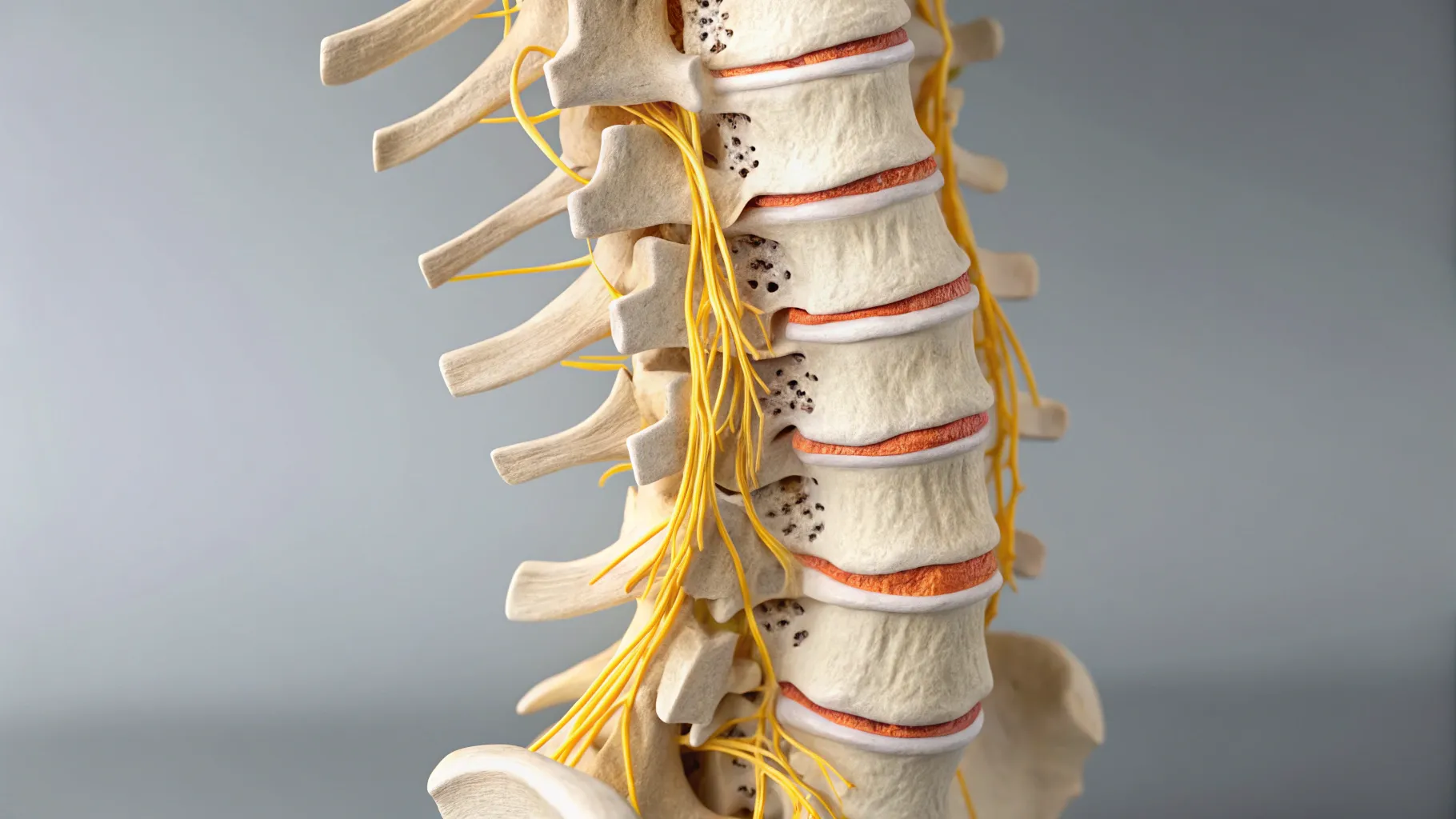
Spinal stenosis is a common condition affecting millions of adults as they age, especially in the lumbar region of the spine. This condition is characterized by the narrowing of the spinal canal, which houses the spinal cord and nerve roots, leading to compression and discomfort. Recent statistics reveal that approximately 3 million adults in the United States report symptoms associated with spinal stenosis each year, underscoring its growing prevalence.
What Causes Spinal Stenosis?
There are numerous factors that contribute to the development of spinal stenosis. Age is a primary factor, as the spine experiences wear and tear over time. The natural aging process can lead to the formation of bone spurs and other degenerative changes that can encroach upon the spinal canal. Here are several leading causes of spinal stenosis:
- Herniated Discs: As individuals age, the intervertebral discs lose hydration and flexibility, which may cause them to bulge. This bulging can press against nearby nerves, contributing to the symptoms of spinal stenosis.
- Osteoarthritis: This degenerative joint disease is prevalent among older adults and can result in the thickening of ligaments and formation of bone spurs that narrow the spinal canal.
- Genetic Conditions: Some individuals may be genetically predisposed to having a naturally narrower spinal canal, increasing their risk for stenosis later in life.
- Traumatic Injuries: Injuries to the spine, such as fractures or dislocations, can cause swelling and inflammation, leading to temporary or permanent stenosis.
Statistics indicate that the likelihood of developing spinal stenosis escalates significantly with age, making awareness and early intervention vital.
Recognizing the Symptoms of Spinal Stenosis
Individuals suffering from spinal stenosis often encounter a variety of symptoms that can range from mild to severe. These symptoms can disrupt daily activities and impact quality of life. Common signs to watch out for include:
- Pain: Pain may manifest in the lower back or neck and can radiate down into the legs or arms, often described as a deep, aching sensation.
- Numbness or Tingling: Many people with spinal stenosis report a pins-and-needles sensation in their extremities, which can be quite bothersome.
- Muscle Weakness: Compression of nerves may lead to muscle weakness, particularly in the legs, making it difficult to perform certain movements.
- Gait Disturbances: Individuals may experience difficulty walking or maintaining balance due to weakened muscles and nerves.
- Leg Cramps: Many experience cramping in their legs during physical activity, which may relieve by sitting or resting.
Recent case studies illustrate that while two patients may present with similar severity of stenosis on scans, their experiences and symptoms could be quite different. Thus, seeking a professional diagnosis tailored to one's specific situation is essential.
Diagnosing Spinal Stenosis
The diagnostic process for spinal stenosis typically commences with a comprehensive medical history and a physical examination, where healthcare providers assess symptoms and functionality. Various imaging tests may be employed to confirm the diagnosis:
- X-rays: These imaging tests can reveal changes in the spine's structural integrity, including bone spurs and joint space narrowing.
- MRI: Magnetic resonance imaging provides a detailed view of the spinal cord and nerve roots, allowing doctors to identify areas of compression.
- CT Scans: Computed tomography scans can provide further insight into the bony structures of the spine, complementing information obtained through X-rays and MRIs.
A recent analysis from a prominent pain management center emphasizes that accurate diagnosis is crucial. It demonstrates that patients receiving precise diagnostic practices are more likely to achieve successful outcomes in their treatment options.
Exploring Treatment Options for Spinal Stenosis
Treatment approaches for spinal stenosis can differ based on the severity of symptoms and individual preferences. The options typically encompass a blend of conservative and surgical methods:
- Physical Therapy: Tailored physical therapy programs are designed to strengthen the muscles supporting the spine, enhance flexibility, and improve overall function.
- Medications: Non-steroidal anti-inflammatory drugs (NSAIDs) and corticosteroids are commonly prescribed to alleviate pain and reduce inflammation associated with the condition.
- Injections: Epidural steroid injections offer relief by decreasing inflammation around affected nerves, often providing significant benefit for those experiencing debilitating pain.
- Surgery: In severe cases where conservative management fails, surgical procedures such as laminectomy or spinal fusion may be necessary to relieve pressure on the spinal cord and nerves.
A leading medical journal recently reported that over 70% of patients with lumbar spinal stenosis noted significant symptom improvement after a combination of physical therapy and surgical intervention, underscoring the necessity for personalized treatment strategies.
Living with Spinal Stenosis: Lifestyle Changes and Management
Managing spinal stenosis effectively goes beyond medical treatment—it also encompasses lifestyle changes that can make a profound difference in one’s symptoms. Adopting a routine of regular exercise is critical; it not only helps maintain body weight but also promotes healthy spinal functioning. Activities such as swimming, walking, and certain forms of fitness improve strength and flexibility without putting excessive strain on the spine.
Good posture is equally vital, as it helps alleviate pressure on the spine and reduces the risk of further injury. Alternative therapies such as acupuncture and chiropractic care have also gained popularity as adjunct treatments, contributing to symptom relief for some patients.
Nutrition plays a significant role as well. Following an anti-inflammatory diet rich in fruits, vegetables, whole grains, and healthy fats can help reduce inflammation and promote better overall health. Studies suggest that maintaining a balanced diet can lead to better results in managing chronic conditions, including spinal stenosis.
The growing awareness surrounding spinal stenosis encourages more individuals to take proactive measures in managing their health. Engaging with healthcare professionals, participating in support groups, and accessing wellness resources can empower those living with this condition, helping them to lead more fulfilling lives despite the challenges they face.
By understanding spinal stenosis, recognizing its causes and symptoms, pursuing accurate diagnosis, and exploring treatment options, individuals can navigate this complex condition more effectively and aim for improved mobility and overall well-being.