Understanding Sleep Apnea Symptoms and Treatments
Understanding Sleep Apnea
Sleep apnea is emerging as a significant health concern as more individuals come to grips with its serious implications. It is a widespread yet often misunderstood condition characterized by repeated interruptions in breathing during sleep. In 2025, research shows that approximately 22 million Americans are living with sleep apnea, but many remain undiagnosed, leaving them vulnerable to various health complications. Whether you’re middle-aged or managing weight issues, sleep apnea can affect anyone, making awareness a critical necessity.
When breathing stops briefly during sleep, it may happen hundreds of times per night, disrupting the normal sleep cycle. This condition impedes a person’s ability to achieve restorative sleep, leading not only to fatigue but also to a host of related health complications, including hypertension, heart disease, and diabetes. As our understanding of sleep health deepens, it becomes essential to recognize the details surrounding sleep apnea.
Identifying Symptoms of Sleep Apnea in Adults
Sleep apnea symptoms can be diverse, often varying in intensity and presentation. By recognizing these symptoms early, individuals can seek timely intervention and potentially improve their quality of life. Common symptoms include:
- Loud snoring: This is often the most recognizable symptom, indicating a possible obstruction in the airway.
- Gasping or choking during sleep: Many individuals awaken suddenly feeling unable to breathe, a troubling indication of sleep apnea.
- Excessive daytime sleepiness: Individuals often find themselves struggling to stay awake or feel drowsy during the day, which can severely impact productivity.
- Morning headaches: Low oxygen levels during the night may lead to painful headaches upon waking, often misattributed to other causes.
- Difficulties concentrating: Cognitive impairment resulting from poor sleep can hinder daily activities and decision-making.
- Dry mouth or sore throat: Breathing through the mouth overnight can cause discomfort and dryness, which is often a bothersome complaint for those with sleep apnea.
Recent awareness campaigns are focusing on vulnerable populations, particularly the elderly and those predisposed to sleep apnea. Community outreach and targeted screenings have become increasingly vital in catching this disorder early.
Modern Treatment Options: CPAP and Beyond
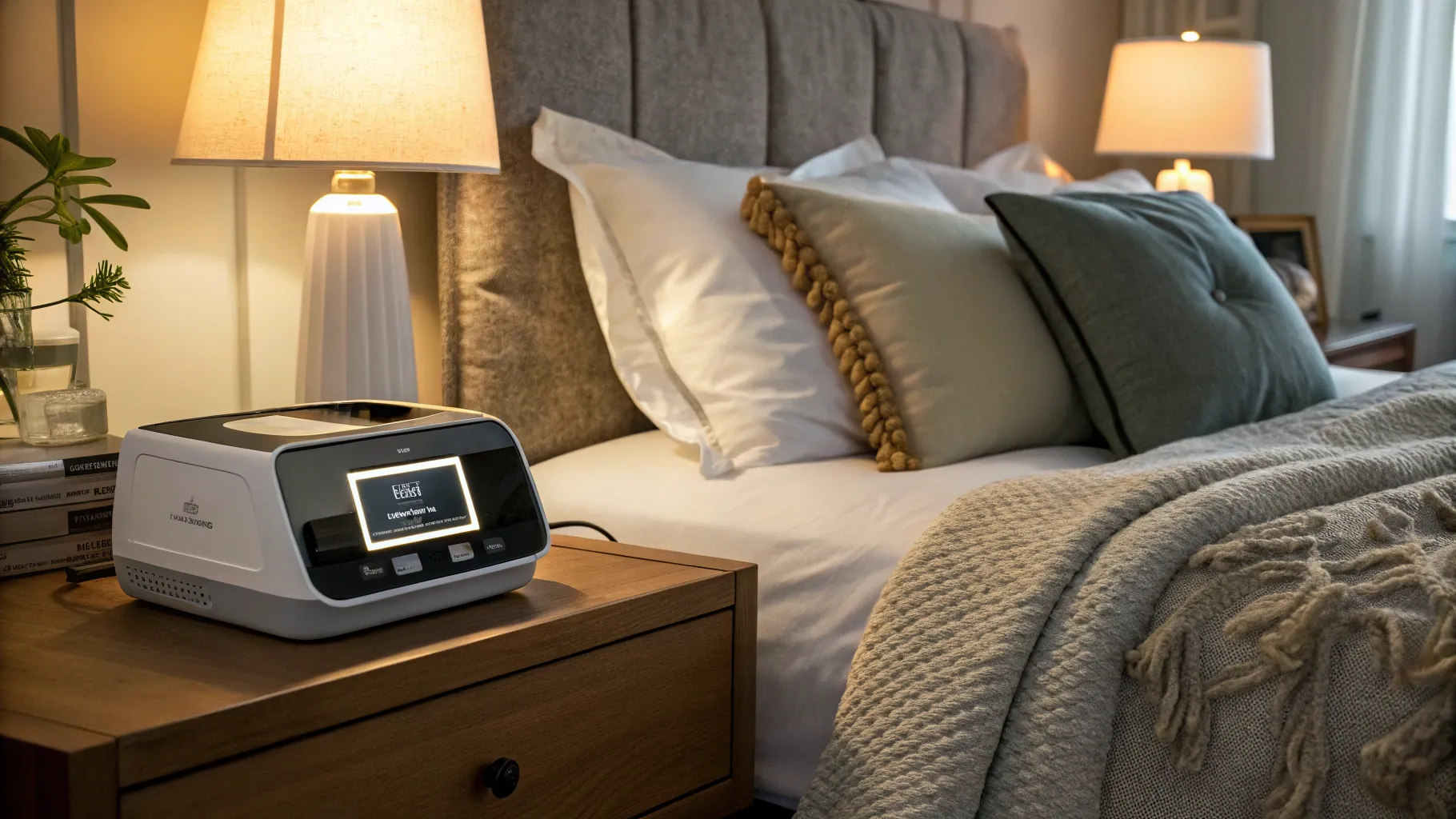
One of the primary approaches to managing sleep apnea involves the use of Continuous Positive Airway Pressure (CPAP) machines. This treatment is designed to maintain open airways during sleep, effectively allowing patients to breathe normally. The CPAP mask, which fits securely over the nose and/or mouth, ensures a steady flow of air throughout the night.
As we move into 2025, CPAP technology has seen incredible advancements, leading to devices that are quieter and more comfortable. Innovative designs focus on enhancing user experience; for instance, the Nasal Pillow CPAP Mask is sought after for its light and minimalistic aesthetic, while the Full-Face CPAP Mask caters to those who prefer mouth breathing while they sleep.
Utilization of CPAP therapy is becoming more widespread as individuals learn about the serious health risks associated with untreated sleep apnea, including potential cardiovascular complications and increased risk of diabetes. A recent survey found that an impressive 70% of CPAP users reported significantly less daytime fatigue after committing to regular use of their devices. This statistic highlights the importance of adherence to prescribed treatments as a pathway to improving overall well-being.
Exploring Alternative Treatments
While CPAP machines serve as the first line of defense, various individuals seek alternative paths to manage their sleep apnea. Thankfully, a number of viable options exist:
- Oral appliances: Customized dental devices can advance the jaw position, which helps keep the airway open during sleep.
- Positional therapy: Many patients find relief by sleeping on their side, yielding products that assist with maintaining this position throughout the night.
- Weight management: Losing weight can dramatically improve or even resolve symptoms for many who carry excess weight.
- Surgery: For severe cases, surgical options may be necessary to remove excess tissue or correct anatomical obstructions in the airway.
Choosing the right treatment often involves weighing the severity of sleep apnea against personal preferences and overall health. Therefore, it’s paramount for patients to engage regularly with healthcare providers to monitor the effectiveness of treatments and to make adjustments as necessary.
Amplifying Advocacy and Awareness in the Sleep Community
Advocacy for better sleep health is paramount, and organizations like the American Academy of Sleep Medicine are leading initiatives to increase awareness about sleep apnea and treatment options. Starting in 2025, efforts to destigmatize sleep disorders have borne fruit, encouraging individuals to seek help more readily. Collaborative online platforms allow people to share their experiences with sleep apnea, helping others identify potential symptoms in themselves.
Moreover, the advances in telehealth services have transformed how sleep studies are conducted, making them more accessible. Home sleep apnea testing has surged in popularity, providing patients with the convenience of undergoing assessments in the comfort of their homes, alleviating barriers to diagnosis and treatment.
Addressing sleep apnea is not just about personal health; it's about the overall well-being of our communities and workplaces. Untreated sleep apnea can lead to increased risks of accidents, decreased productivity, and soaring healthcare costs. By championing public awareness, embracing innovative treatments, and nurturing research initiatives, there is a collective hope for a healthier future for the millions affected by sleep apnea.