Understanding Scoliosis Symptoms, Treatment and Pain Relief
What is Scoliosis?
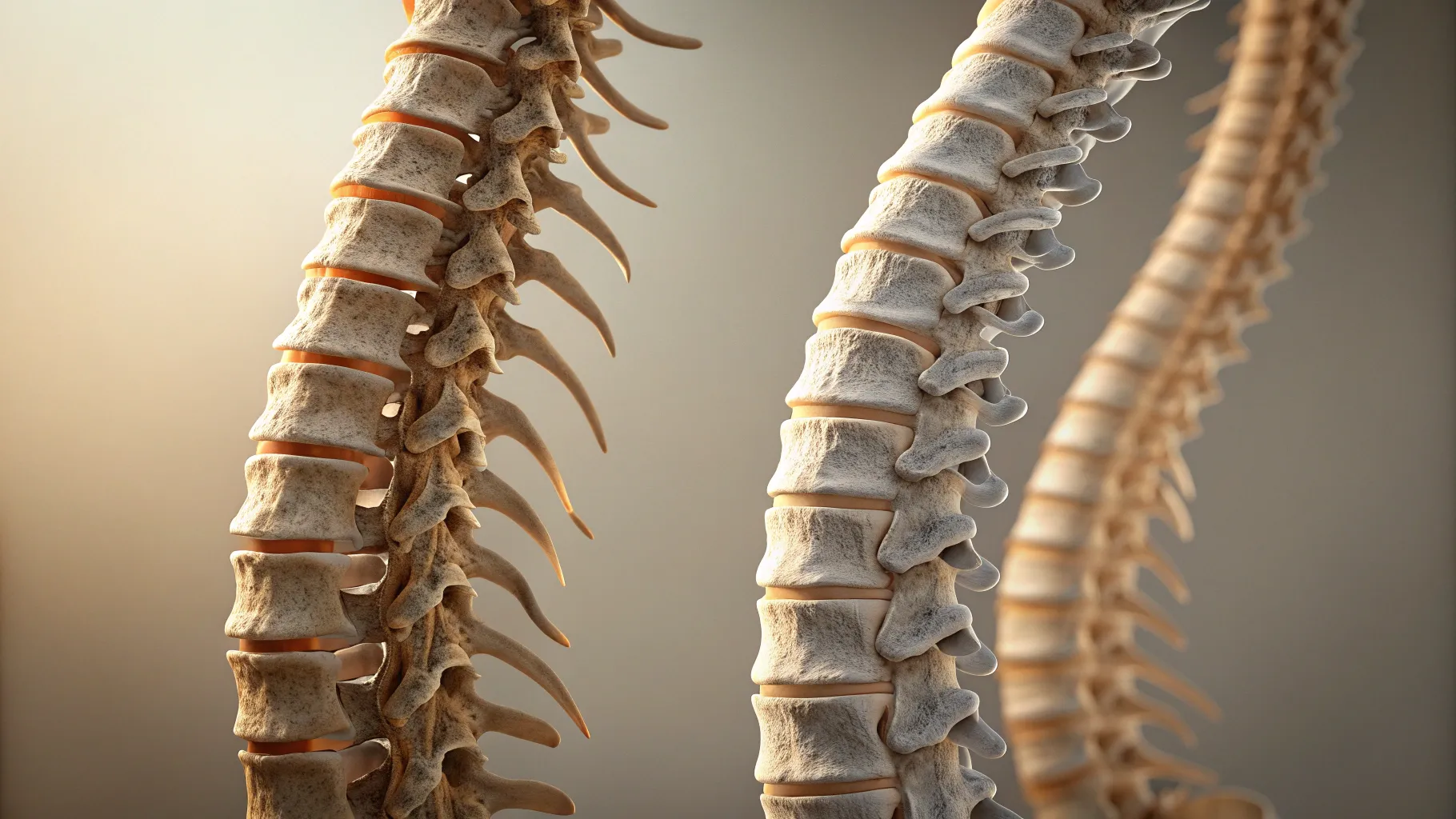
Scoliosis, a condition that has garnered increased attention in recent years, is defined by an abnormal curvature of the spine. This curvature can take the shape of either an 'S' or a 'C', and while it primarily presents itself during the growth spurts associated with puberty, it can also develop in adulthood. Many adults may find themselves grappling with the aftermath of childhood scoliosis that was never diagnosed, while others may develop scoliosis due to age-related conditions such as degenerative disc disease or arthritis.
Current studies estimate that up to 3% of adults live with some degree of scoliosis, a statistic that underscores the importance of both awareness and understanding of this condition. Not all individuals with scoliosis will experience significant symptoms; however, in moderate to severe cases, noticeable physical deformities can manifest, leading to both cosmetic and functional concerns.
Symptoms of Scoliosis in Adults
Identifying the symptoms of scoliosis in adults is essential for timely intervention and effective management. The symptoms can vary significantly between individuals, and while mild cases may go unnoticed for years, those with more severe curvatures may experience a range of issues:
- Uneven shoulders: This is often the first visual cue, where one shoulder appears higher than the other, impacting overall posture.
- Uneven waist: A discernible difference in the height of the hips might lead to an uneven waistline, causing dissatisfaction with body image.
- Back pain: It’s not unusual for adults with scoliosis to report persistent back pain, often arising from the strain associated with the spine’s curvature.
- Fatigue: Increased muscle fatigue is common as the body compensates for the spinal curvature, making regular activities feel more taxing.
- Respiratory issues: In severe cases, scoliosis can constrict lung capacity, leading to difficulty in breathing and reduced stamina during physical activities.
Research conducted within the past year highlights that adults suffering from moderate to severe scoliosis often endure pain levels that adversely affect their day-to-day lives. Such pain can hinder performance at work and diminish enjoyment in leisure activities, making it imperative for affected individuals to seek guidance and treatment.
Scoliosis Treatment Options
When it comes to managing scoliosis, treatment options are varied and depend largely on the severity of the curvature, along with the individual's age and overall health. Here are several well-established strategies that form the backbone of scoliosis treatment:
Braces for Scoliosis
While bracing is primarily a treatment reserved for children and adolescents, understanding its applications and benefits is vital. Modern bracing techniques focus on halting scoliosis progression. These braces, crafted from lightweight materials, generally require wear for 16 to 23 hours a day until the individual reaches skeletal maturity. In adults, the role of braces shifts from corrective to supportive, providing much-needed pain relief and stability in daily routines.
Physical Therapy for Scoliosis
For adults managing scoliosis, physical therapy could be a game changer. Tailored exercise programs effectively strengthen the muscles surrounding the spine, offering patients a pathway to alleviate discomfort and improve functional movement. Programs may typically include:
- Flexibility exercises: Designed to enhance range of motion and reduce rigidity in the spine and surrounding muscles.
- Core strengthening exercises: These exercises are essential as they support the spine and help maintain a more upright posture.
- Postural training: Education on maintaining proper alignment is crucial as many individuals may not be aware of how their daily habits affect their scoliosis.
A physical therapist will work closely with the individual to develop a plan that addresses their specific symptoms and lifestyle challenges.
Scoliosis Pain Relief Products
In addition to braces and physical therapy, there are numerous products available that aid in managing pain associated with scoliosis. Some popular options include:
- Supportive ergonomic cushions: These can assist in maintaining a healthy posture while sitting, reducing spine pressure.
- Heating pads: The heat can cultivate relaxation in tense muscles, leading to significant pain relief.
- Massage devices: Targeted massage can often alleviate muscle tension, providing a sense of relief for individuals experiencing chronic discomfort.
Recent innovations have brought new products to the market aimed at monitoring and enhancing posture in scoliosis patients, highlighting the ongoing evolution in treatment methods.
Living with Scoliosis
Living with scoliosis demands a commitment to ongoing care and adaptive strategies. Fortunately, the majority of adults diagnosed with scoliosis can still enjoy fulfilling lives by integrating effective treatment methods and lifestyle adjustments. Support groups can provide invaluable emotional support, enhancing the experience of those struggling with the condition.
Needless to say, staying active is crucial. Low-impact activities like swimming, yoga, or Pilates can effectively strengthen muscles while promoting overall well-being. Regular physical activity mitigates symptoms and encourages a healthier lifestyle, making movement a vital aspect of managing scoliosis.
Ultimately, navigating the journey with scoliosis may present its set of challenges, but with the right support and proactive management strategies, individuals can lead enriched lives and tackle their day-to-day obstacles head-on. Understanding scoliosis and utilizing available resources empowers patients to take charge of their health journey creatively and positively.