Understanding Psoriasis Treatment Options and Remedies
Comprehensive Guide to Psoriasis Treatment
Psoriasis is a complex autoimmune disorder affecting millions of people worldwide, characterized by red, scaly skin patches. Beyond physical discomfort, it can also have psychological and emotional effects. In the United States alone, approximately 8 million individuals live with psoriasis, navigating both its visible symptoms and broader health impacts. Ongoing research into the causes and treatment of psoriasis continues to expand understanding of this chronic condition and its management.
Exploring Medication Options for Psoriasis
When it comes to managing psoriasis, appropriate medication plays a crucial role tailored to the severity of the condition. Below, we examine various medication categories that have been effective for patients in 2025:
- Topical Treatments: These treatments are typically the go-to for mild to moderate psoriasis cases. Prescription creams and ointments, such as corticosteroids, vitamin D analogs, and retinoids, focus on reducing inflammation and decelerating skin cell growth. Recent studies indicate that approximately 60% of patients notice significant improvements with consistent use of topical therapies. For instance, a patient named Sarah reported a marked reduction in redness and flakiness after adopting a regimen that included a combination of these topical solutions.
- Phototherapy: Under medical supervision, this method involves using ultraviolet light to treat psoriasis, effectively interrupting the rapid turnover of skin cells. Many find success with phototherapy, particularly when integrated with topical treatments. In fact, nearly 70% of patients experience substantial improvement post-treatment, with reports of enhanced skin conditions after sessions over just a few months.
- Systemic Medications: Those facing moderate to severe psoriasis may require systemic medications—available in oral or injectable forms. Options like methotrexate, cyclosporine, and biologics such as TNF inhibitors and IL-17 blockers have become increasingly popular in recent years. Biologics, particularly, have captured attention due to their ability to target specific elements of the immune system. A recent analysis found that about 79% of patients using biologic therapies achieve nearly clear skin, showcasing promising results for many.
Considering Natural Remedies for Psoriasis
While pharmacological strategies are foundational, numerous individuals today gravitate towards natural solutions that complement traditional treatments. However, it’s crucial to approach this avenue with caution, ensuring consultation with healthcare professionals beforehand to avoid adverse effects.
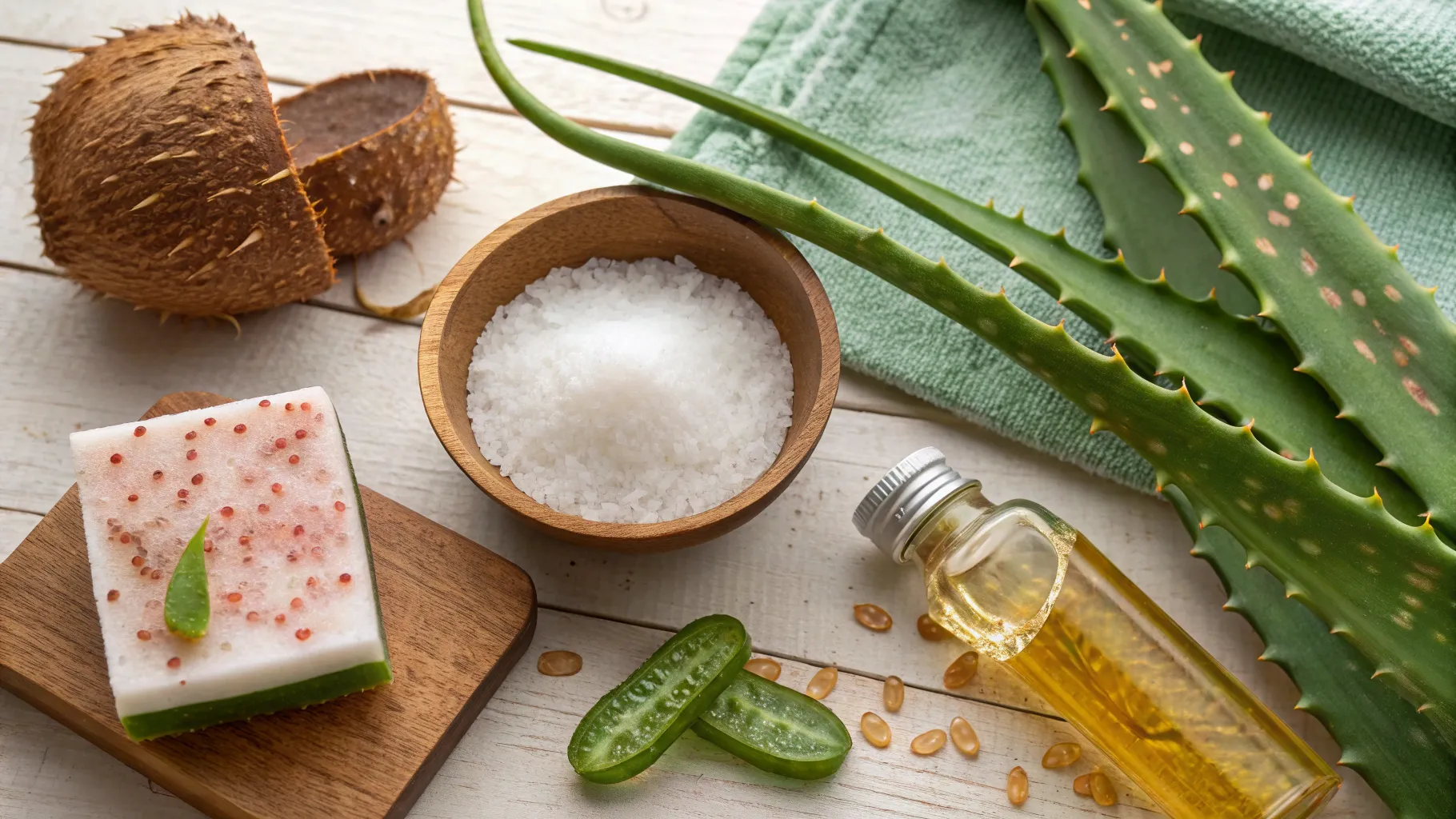
- Moisturizers: Hydration is vital for maintaining skin health. Natural moisturizers like aloe vera, coconut oil, and shea butter provide soothing relief from dryness. Patients such as Tom have seen remarkable improvements in skin texture and frequency of flare-ups by incorporating these into their daily routine.
- Dietary Changes: Observations highlight that diets rich in anti-inflammatory foods can alleviate psoriasis symptoms. Foods such as fatty fish rich in Omega-3s, fresh leafy greens, and nuts boast anti-inflammatory properties. Conversely, patients are urged to limit processed foods and sugars, known triggers for flare-ups. Based on recent reports, adopting such dietary practices helps over 60% of patients manage their symptoms better.
- Herbal Remedies: Many individuals are exploring herbal options, with turmeric and milk thistle known for their anti-inflammatory benefits. A survey undertaken in early 2025 revealed that about 30% of psoriasis patients utilize these herbal supplements, with numerous users reporting improved overall wellbeing along with reduced skin issues.
Home Strategies for Psoriasis Management
Beyond clinical treatments, managing psoriasis effectively at home can have a significant impact on symptom control and overall quality of life. Each small effort counts, and establishing a routine can provide substantial benefits:
- Oatmeal Baths: Soaking in a colloidal oatmeal bath is a simple yet effective method to ease itching and hydrate the skin. Many people like Emma have shared how this practice leads to softer skin and a pleasant reduction in irritation.
- Stress Management: Stress has been recognized as a major contributor to flare-ups in psoriasis. Engaging in stress-reducing practices like yoga, meditation, or even deep-breathing exercises helps many patients mitigate their symptoms. Data from a recent study showed that nearly 45% of participants experienced fewer flare-ups when actively managing stress, emphasizing the mind-skin connection.
- Regular Exercise: Physical activity offers multiple health benefits and is critical in reducing inflammation associated with psoriasis. Whether it’s walking, swimming, or cycling, regular exercise has been shown to enhance blood circulation and even improve mental health. A fitness survey conducted earlier this year indicated that around 52% of respondents felt their psoriasis symptoms improved after committing to a consistent exercise routine.
Comprehensive Approaches to Understanding and Managing Psoriasis
Optimal psoriasis management extends beyond treating physical symptoms; it involves a holistic approach that integrates medication adherence, lifestyle modifications, and emotional support. Building a supportive network can be transformative. Today, the availability of digital platforms makes accessing support groups easier than ever, allowing individuals to share experiences and solutions from anywhere in the world.
Keeping track of possible triggers is another vital strategy. Many patients have found benefit in maintaining a diary that notes flare-up occurrences while documenting diet, stress, and environmental factors. This personalized approach empowers consumers to identify their unique triggers and craft a response plan catering specifically to their needs. By being proactive, individuals can enhance effectiveness in their management strategies.
Ultimately, navigating the journey of psoriasis treatment can be challenging. Nevertheless, with a diverse array of medication options, lifestyle adjustments, and dedicated home treatments, individuals can better navigate their condition. As modern medicine continues to evolve, integrating these various strategies forms a robust framework for living well with psoriasis today.