Understanding Osteoporosis: Signs, Risk Factors, and Treatment Approaches
Osteoporosis is a silent disease that gradually weakens bones, making them fragile and more prone to fractures. Often, people are unaware they have the condition until they experience a fracture from a minor fall or impact that would not typically cause such an injury. Understanding the intricacies of osteoporosis, from its underlying mechanisms to its early indicators and comprehensive management, is crucial for maintaining bone health and improving quality of life.
What is Osteoporosis?
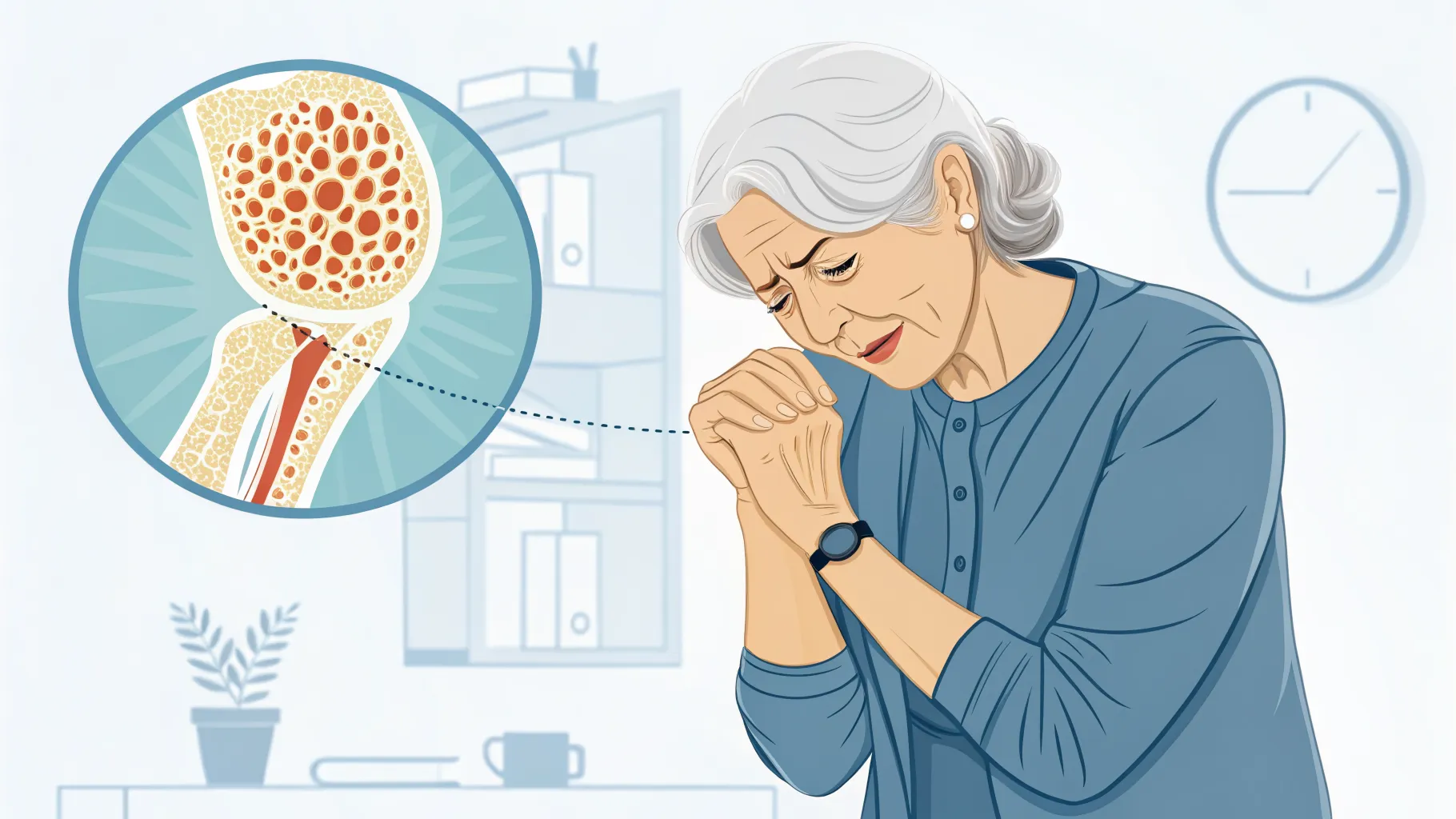
Osteoporosis literally means "porous bone." It is a skeletal disorder characterized by low bone mass and deterioration of bone tissue, leading to increased bone fragility and a higher risk of fractures, particularly in the hip, spine, and wrist. Bone is a living tissue that is constantly being broken down and replaced. In osteoporosis, the creation of new bone does not keep up with the removal of old bone, resulting in a net loss of bone density.
This imbalance can occur for various reasons, including hormonal changes, nutritional deficiencies, and certain medical conditions or medications. The internal structure of healthy bone resembles a honeycomb, but in individuals with osteoporosis, the spaces within this honeycomb structure become larger and the bone itself becomes less dense and more brittle. This structural weakening reduces the bone's ability to withstand normal stresses, making even routine movements potentially hazardous.
Recognizing the Signs and Symptoms
One of the most challenging aspects of osteoporosis is its often asymptomatic nature in its early stages. Many people do not experience any noticeable signs or symptoms until bone loss is significantly advanced. This is why it is often referred to as a "silent disease," as the initial stages typically present no pain or obvious changes.
However, as the condition progresses, several signs and symptoms may emerge, signaling the presence of bone weakening. These are typically the result of minor fractures or changes in bone structure. Recognizing these indicators can prompt earlier diagnosis and intervention.
- Back Pain: Caused by fractured or collapsed vertebrae, which are small bones in the spine.
- Loss of Height: Over time, compression fractures in the spine can lead to a gradual reduction in height.
- Stooped Posture: Often referred to as a "dowager's hump," this curvature of the upper back can occur due to spinal compression fractures.
- Bones that Break Easily: A fracture from a minor fall or even a cough or sneeze can be a primary indication of advanced osteoporosis.
- Receding Gums: Bone loss in the jaw can lead to receding gums and even tooth loss, as the jawbone supports the teeth.
- Weakened Grip Strength: Some studies suggest a correlation between lower grip strength and lower bone mineral density.
Key Risk Factors for Osteoporosis
Several factors can increase an individual's likelihood of developing osteoporosis. Some of these are unchangeable, while others can be managed through lifestyle adjustments and medical intervention. Understanding these risk factors is vital for prevention and early screening.
Unchangeable risk factors include being female, increasing age, family history of osteoporosis, and having a small body frame. Women are more susceptible due to hormonal changes, particularly the sharp drop in estrogen levels after menopause. Ethnicity also plays a role, with people of White and Asian descent having a higher risk. Modifiable risk factors encompass dietary habits, physical activity levels, smoking, excessive alcohol consumption, and certain long-term medications, such as corticosteroids.
Diagnosing Osteoporosis
Diagnosing osteoporosis typically involves a combination of medical history review, physical examination, and specialized diagnostic tests. Since the early stages are often without symptoms, screening is particularly important for individuals with elevated risk factors.
The most common and effective diagnostic tool is a bone mineral density (BMD) test, specifically a dual-energy X-ray absorptiometry scan, often referred to as a DEXA scan. This non-invasive procedure measures bone density in the hip and spine, providing a T-score that compares a person's bone density to that of a healthy young adult. A T-score of -2.5 or lower indicates osteoporosis. Additionally, blood and urine tests may be performed to rule out other conditions that cause bone loss or to identify secondary causes of osteoporosis, such as vitamin D deficiency or thyroid problems.
Treatment Strategies for Managing Osteoporosis
The goal of osteoporosis treatment is to prevent fractures, reduce pain, and maximize physical function. Treatment plans are highly individualized, taking into account the patient's age, overall health, the severity of bone loss, and their fracture risk. A comprehensive approach often combines medication with lifestyle modifications.
Medications play a significant role in slowing bone loss, increasing bone density, and reducing fracture risk. These therapies work through various mechanisms, from inhibiting bone breakdown to stimulating new bone formation. Adherence to a prescribed medication regimen, along with regular monitoring by a healthcare provider, is crucial for successful management of the condition.
Medication Options
- Bisphosphonates: These are the most commonly prescribed medications for osteoporosis. They slow down bone breakdown, allowing bone-building cells to work more effectively. Examples include alendronate, risedronate, ibandronate, and zoledronic acid.
- Hormone-related therapies: Estrogen therapy, or hormone replacement therapy (HRT), can help maintain bone density in postmenopausal women, though it carries other health considerations. Selective estrogen receptor modulators (SERMs) like raloxifene offer bone-preserving benefits without some of the risks of estrogen.
- Biologics and other injectables: Denosumab is an injectable medication that works differently from bisphosphonates by targeting a specific protein involved in bone breakdown. Teriparatide and abaloparatide are anabolic agents that stimulate new bone growth, typically reserved for severe cases.
Lifestyle Modifications and Prevention
Beyond medication, various lifestyle changes are essential for preventing the onset of osteoporosis and managing its progression. These modifications focus on optimizing bone health through nutrition, exercise, and avoidance of harmful habits.
A proactive approach to lifestyle can significantly impact bone density and strength throughout life. It is never too early or too late to adopt bone-friendly habits. Engaging in these practices regularly can not only help prevent bone loss but also improve overall well-being and reduce the risk of falls.
- Dietary Considerations: Ensure an adequate intake of calcium and vitamin D, both crucial for bone health. Calcium is the main building block of bones, while vitamin D helps the body absorb calcium. Good sources of calcium include dairy products, leafy green vegetables, and fortified foods. Vitamin D can be obtained through sunlight exposure, fatty fish, and fortified foods.
- Weight-Bearing Exercise: Regular physical activity, especially weight-bearing exercises, helps to build and maintain bone density. Examples include walking, jogging, dancing, hiking, and strength training. These activities put stress on bones, stimulating them to become stronger. Balance exercises, like Tai Chi or yoga, can also help reduce the risk of falls.
- Avoiding Harmful Habits: Smoking and excessive alcohol consumption have been linked to lower bone density and an increased risk of fractures. Quitting smoking and moderating alcohol intake can significantly improve bone health and overall health.
Living with Osteoporosis
Living with osteoporosis involves more than just managing the medical aspects of the condition; it also means adapting daily routines to minimize the risk of fractures and maintain an active lifestyle. Practical adjustments around the home and awareness of personal limitations can make a significant difference in preventing falls and associated injuries.
This includes ensuring adequate lighting, removing tripping hazards like loose rugs, and installing grab bars in bathrooms. Regular consultations with healthcare providers, including dietitians and physical therapists, can provide personalized guidance on safe exercises, nutrition, and strategies to cope with any discomfort or limitations. Support groups can also offer valuable emotional support and practical advice from others facing similar challenges.