Understanding Osteoarthritis Symptoms and Treatment Options
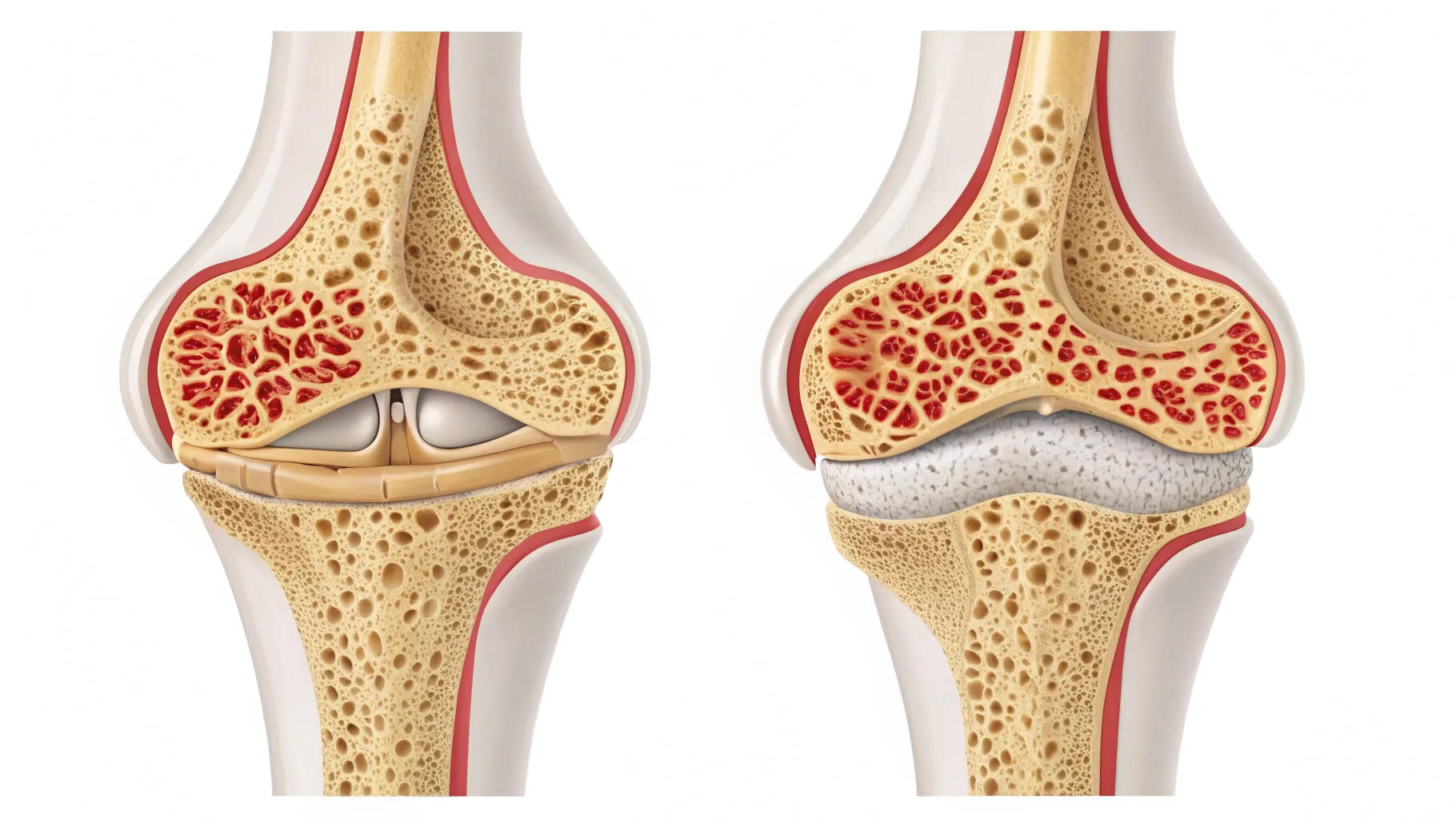
What is Osteoarthritis
Osteoarthritis is a degenerative joint disease that primarily affects the cartilage—the smooth tissue that cushions the ends of bones in joints. Over time, this cartilage wears away, leading to pain, stiffness, and decreased mobility. It’s one of the most common forms of arthritis, affecting millions of people around the globe. As we age, our bones and joints undergo various wear-and-tear processes, making osteoarthritis increasingly prevalent among older adults. However, it can also appear in younger individuals who have experienced joint injuries or other risk factors.
Early Symptoms of Osteoarthritis
Recognizing the early symptoms of osteoarthritis is crucial for timely intervention. Some of the most common early symptoms include:
- Joint Pain: Often described as a deep ache in the joint, this pain can worsen with activity and improve with rest.
- Stiffness: Many individuals might experience stiffness after sitting or lying down, particularly in the morning.
- Swelling: Joint swelling can occur due to inflammation within the joint, and it may be accompanied by warmth in the affected area.
- Creaking or Grating Sensation: Rubbing or grating noises (crepitus) during movement are common signs of osteoarthritis.
According to a recent study, about 27 million adults in the United States suffer from osteoarthritis, and the numbers are on the rise, highlighting the importance of recognizing early symptoms and seeking medical advice.
Stages of Osteoarthritis Explained
The stages of osteoarthritis can be categorized into four main phases:
- Stage 1: Mild Changes - There are minor bone spurs present, and the joint space may appear slightly narrowed. Symptoms are often minimal and can be overlooked.
- Stage 2: Moderate Changes - Symptoms become more pronounced, including persistent pain and stiffness. Cartilage loss is more significant, leading to joint swelling.
- Stage 3: Advanced Changes - Cartilage is severely damaged, and bone begins to rub against bone. Patients experience chronic pain and reduced function, requiring more intensive management strategies.
- Stage 4: Severe Changes - This stage signifies a complete loss of cartilage, with considerable damage to surrounding tissues. Pain is constant, and joint function is often severely limited, making daily activities challenging.
Understanding these stages is essential for caregivers and patients alike, as it guides treatment options and necessary lifestyle adjustments.
Osteoarthritis Treatment
Treating osteoarthritis involves a combination of self-care strategies, medical treatments, and lifestyle modifications. Some effective avenues to pursue include:
- Medication: Over-the-counter pain relievers, such as ibuprofen or acetaminophen, can provide short-term relief. Doctors might also recommend topical creams or prescribed medications for more severe pain.
- Physical Therapy: Engaging in physical therapy can help strengthen muscles around the joint, improve flexibility, and reduce pain over time. Therapists design personalized exercise plans that are safe and effective.
- Weight Management: Maintaining a healthy weight is crucial, especially for weight-bearing joints like knees and hips. Losing even a small amount of weight can significantly reduce stress on these joints and alleviate pain.
- Injections: Corticosteroid injections may help reduce inflammation and pain in specific joints temporarily. Hyaluronic acid injections can also be considered to improve lubrication within the joint.
- Assistive Devices: Walking aids, such as canes or braces, can offer support and make mobility easier. This can significantly impact a person’s quality of life by allowing them to stay active.
Recent advances in treatment options, such as regenerative medicine, have shown promising outcomes. For instance, stem cell therapy and platelet-rich plasma (PRP) injections are being explored for their potential to regenerate cartilage.
Physical Therapy for Osteoarthritis
Physical therapy is often at the forefront of osteoarthritis management strategies. The focus is on both alleviating pain and improving function. Regular sessions with a qualified physical therapist can help develop a tailored exercise plan that addresses the specific joints affected.
Key components of physical therapy for osteoarthritis include:
- Strengthening Exercises: Targeted exercises strengthen the muscles surrounding the joint, reducing the load on the joint itself.
- Range-of-Motion Activities: These are crucial for maintaining flexibility and preventing stiffness.
- Aerobic Conditioning: Gentle aerobic activities like swimming or cycling can improve cardiovascular health and aid in weight management, which directly benefits joint health.
The importance of working closely with a physical therapist cannot be overstated; their expertise ensures that exercises are performed safely and effectively, potentially preventing further joint damage.
Osteoarthritis Pain Relief Products
Managing Pain is a key element in living with osteoarthritis. Thankfully, there are numerous pain relief products available today:
- Topical Analgesics: Creams and gels that contain menthol or capsaicin can provide localized pain relief when applied to affected areas.
- Braces and Supports: Joint braces not only provide stability but can also relieve pressure on painful joints during movement.
- Heating Pads: Applying heat can relax and soothe stiff joints, while cold packs can reduce inflammation and numb the pain.
In stayingahead of this condition’s progression, incorporating these products into daily routines can significantly improve quality of life. It is, however, imperative to consult healthcare professionals before starting any new treatment or therapy.Finally, staying informed about osteoarthritis is the first step in taking control of your joint health.