Understanding Osteoarthritis in Hands Causes and Symptoms
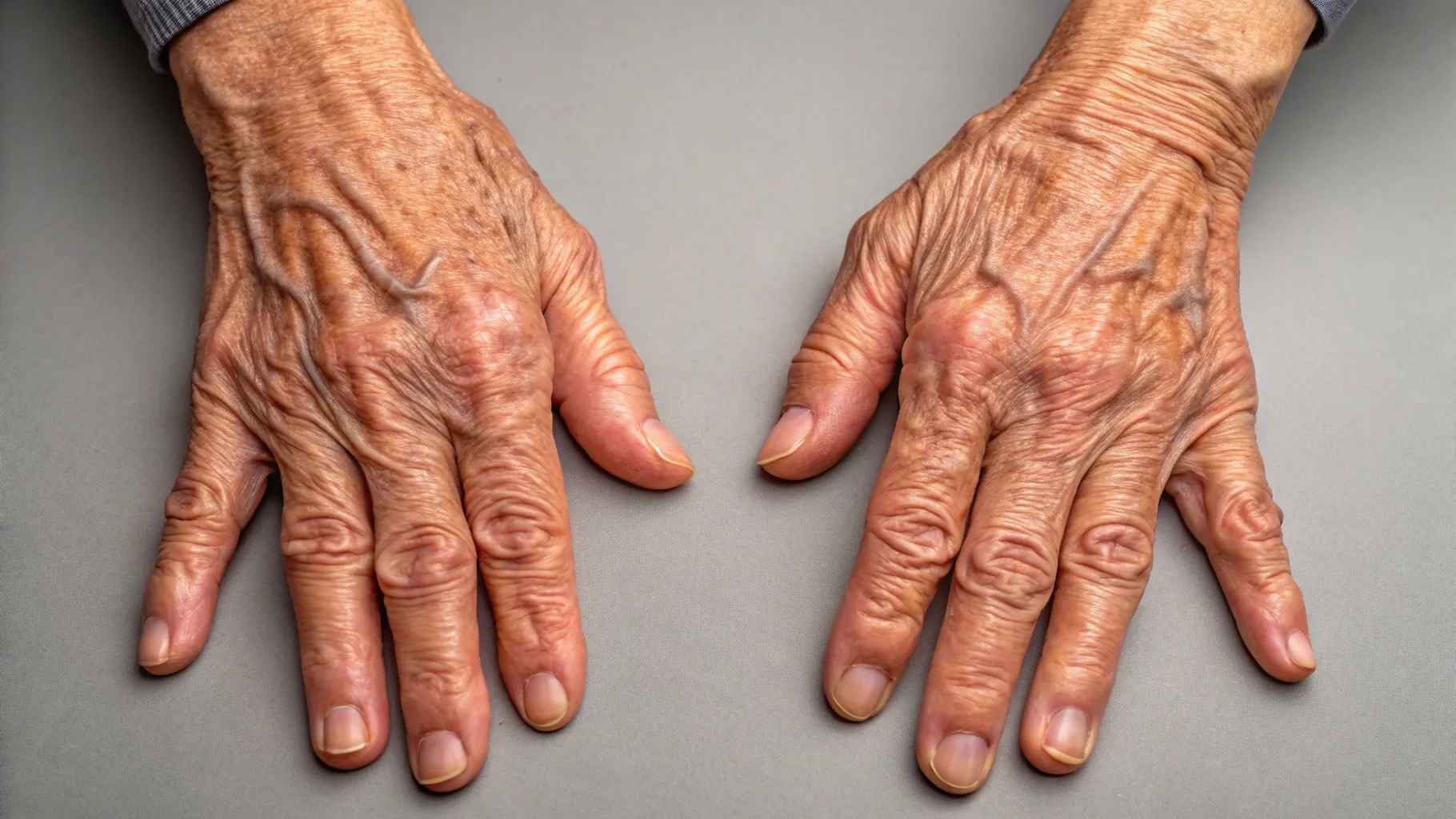
Understanding Osteoarthritis in Hands
Osteoarthritis in hand is a common degenerative joint disease, affecting millions of people worldwide. In 2023 alone, reports indicated that over 27 million adults in the United States suffer from this condition, making it one of the leading causes of chronic pain and disability. Osteoarthritis occurs when the protective cartilage that cushions the ends of your bones wears down over time, often leading to pain, stiffness, and decreased mobility in the affected joints.
What Causes Hand Osteoarthritis?
The causes of hand osteoarthritis can vary significantly among individuals. Some of the primary factors include:
- Age: The risk of developing osteoarthritis increases as you age. Most cases are diagnosed in people aged 50 and older.
- Genetics: A family history of osteoarthritis may raise your chances of developing the condition. Genetic factors can influence cartilage degradation in the joints.
- Repetitive Stress: Engaging in repetitive hand movements, often seen in professions involving typing, assembly line work, or manual labor, can contribute to the wear and tear of joint surfaces.
- Previous Injuries: Prior injuries to the hands or fingers, such as fractures or dislocations, can increase the risk of developing osteoarthritis later in life.
- Obesity: Excess body weight puts additional stress on weight-bearing joints and can contribute to the progression of osteoarthritis, including in the hands.
- Hormonal Changes: Changes related to menopause can also play a role in the development of osteoarthritis, particularly in women.
Recognizing Hand Osteoarthritis Symptoms
Hand osteoarthritis symptoms can vary widely from person to person but often include:
- Pain: A primary symptom is pain in the fingers, knuckles, or wrists, typically worsened by movement or activity.
- Stiffness: Joint stiffness, especially after periods of inactivity like sleeping or sitting, is common. This stiffness usually eases with gentle movement.
- Swelling: Inflammation around the joints may lead to noticeable swelling and warmth in the affected areas.
- Decreased Range of Motion: Over time, you may notice difficulty in bending or straightening your fingers, impacting daily tasks.
- Bone Spurs: You might observe bony growths at the joint margins, known as osteophytes, which can be spotted through imaging techniques.
- Crepitus: A popping or grinding sensation during joint movement can indicate cartilage deterioration.
As awareness increases, more individuals recognize these symptoms and seek timely interventions. Recent surveys published in health journals confirmed that nearly 80% of those affected experienced decreased hand function due to these symptoms, impacting their quality of life.
Recent Developments in Diagnosis and Treatment
As of early 2025, advancements in the understanding and management of osteoarthritis in hands have been noteworthy. Clinicians now often use a combination of physical examinations, patient history, and imaging techniques such as X-rays or MRIs to diagnose the condition accurately. In the past six months, telehealth consultations have gained popularity, allowing patients to receive expert opinions from the comfort of their homes.
When it comes to treatment, a multidisciplinary approach remains effective. This can include:
- Medication: Pain relievers such as acetaminophen and nonsteroidal anti-inflammatory drugs (NSAIDs) help manage pain and inflammation. Recent clinical guidelines emphasize personalized pain management plans.
- Physical Therapy: Tailored exercise programs designed by physical therapists are pivotal in improving strength and flexibility, addressing functional limitations.
- Occupational Therapy: Occupational therapists assist in modifying daily activities to reduce strain on joints while enhancing hand function.
- Surgery: In severe cases, surgical options such as joint fusion or joint replacement may be considered after conservative treatments fail to provide relief.
The healing process often involves a combination of these treatments. Many patients report significant improvements in hand function after adhering to a comprehensive rehabilitation program.
Living with Osteoarthritis in Hands
Living with osteoarthritis in the hands can indeed be challenging. Many people may feel overwhelmed by the prospect of balancing pain management with daily activities. It's important to cultivate a support system—whether through family, friends, or support groups—that can provide emotional and practical assistance.
Integrative strategies like yoga or Tai Chi have gained traction among those managing hand osteoarthritis. These practices not only enhance flexibility, but they also promote relaxation and stress relief, which can be particularly beneficial for pain management. According to recent studies, those who engage in low-impact exercises reported a noticeable reduction in discomfort and an improvement in their overall well-being.
Diet also plays a crucial role in managing osteoarthritis. Incorporating anti-inflammatory foods like fatty fish, nuts, fruits, and leafy greens can help mitigate some symptoms. Staying hydrated and maintaining a healthy weight further supports joint health.
As we continue into 2025, ongoing research is expected to yield even more innovative treatments and insights into hand osteoarthritis. For those affected, it’s essential to stay informed, proactive, and engaged with healthcare providers to optimize their management of the condition.
In summary, while osteoarthritis in hands presents various challenges, understanding its symptoms, causes, and treatment options can bridge the gap toward effective management. With proper care, lifestyle adjustments, and support, individuals can find relief and enhance their quality of life.