Nocturia Treatment Options: A 2025 Guide to Managing Frequent Urination at Night
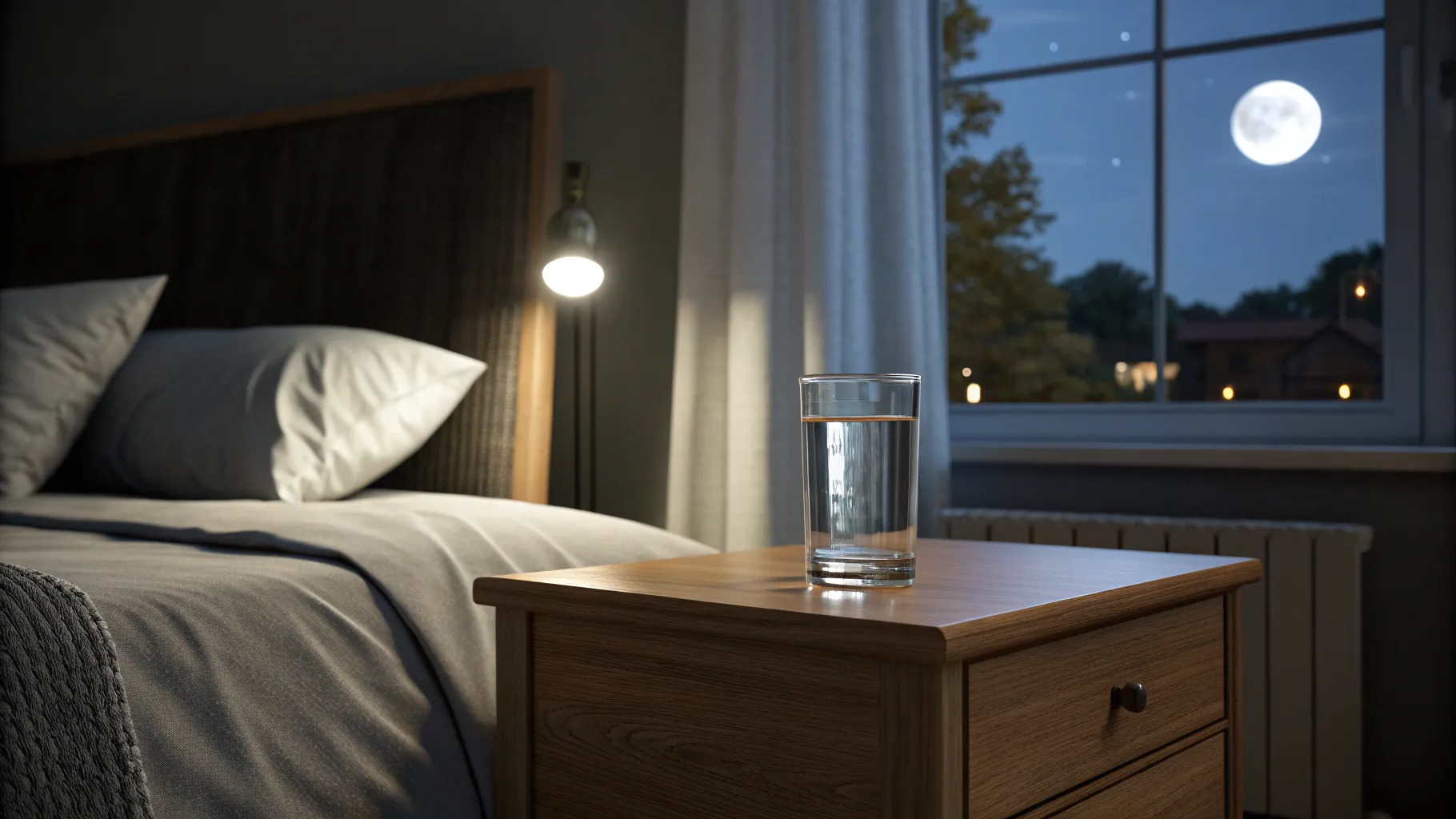
Waking up multiple times a night to use the bathroom, a condition known as nocturia, can severely disrupt your sleep and impact your overall quality of life. As we move through December 2025, understanding the available solutions is more important than ever. This guide provides a detailed look into the causes and the various strategies for managing this common issue, helping you find lasting relief.
Understanding the Common Causes of Nighttime Urination
Before exploring treatments, it's crucial to identify the root of the problem. There are many potential causes of nighttime urination, and they often vary from person to person. Lifestyle factors, such as drinking excessive fluids, caffeine, or alcohol before bed, are common culprits. However, nocturia can also signal underlying medical conditions.
Common medical causes include:
- Urinary tract infections (UTIs)
- Enlarged prostate (benign prostatic hyperplasia or BPH) in men
- Overactive bladder (OAB)
- Diabetes (both type 1 and type 2)
- Sleep apnea, where interrupted breathing can trigger the kidneys to produce more urine
- Age-related changes in bladder capacity and hormone production
Identifying the specific cause is the first step in creating an effective management plan.
Lifestyle Adjustments and Nighttime Urination Remedies
For many individuals, simple lifestyle changes can make a significant difference. These practical nighttime urination remedies are often the first line of defense and can be highly effective when practiced consistently.
Fluid Management
Controlling your fluid intake is key. Try to reduce the amount you drink for 2-4 hours before you go to sleep. Be sure to stay hydrated during the day, but taper off your consumption in the evening. This simple adjustment can reduce the amount of urine your body produces overnight.
Dietary Modifications
Certain foods and drinks can irritate the bladder and worsen nocturia. Consider limiting or avoiding caffeine, alcohol, chocolate, and spicy or acidic foods, especially in the hours leading up to bedtime. Keeping a diary can help you identify specific triggers in your diet.
How to Manage Frequent Urination at Night: Behavioral Strategies
Behavioral therapies are a cornerstone of managing nocturia and improving bladder control without medication. These techniques help retrain your bladder and reduce the urgency and frequency of nighttime trips to the bathroom.
- Bladder Training: This involves following a fixed urination schedule during the day. By gradually increasing the time between bathroom visits, you can train your bladder to hold more urine for longer periods.
- Double Voiding: After you urinate, wait a few moments and then try to go again. This technique helps ensure your bladder is completely empty, reducing the likelihood of needing another trip soon after.
- Elevating Your Legs: If you have fluid retention (edema) in your legs, elevating them in the afternoon can help your body reabsorb the fluid so it can be passed before you go to bed.
Exploring Medical Nocturia Treatment Options
If lifestyle and behavioral changes are not enough, it's time to consult a healthcare professional. There are several medical nocturia treatment options available that can provide significant relief.
A doctor will first aim to treat any underlying conditions that may be causing your symptoms. For instance, managing diabetes, treating sleep apnea with a CPAP machine, or addressing a UTI can resolve nocturia. If no specific cause is found, your doctor might recommend medications designed to reduce symptoms. These can include drugs that calm an overactive bladder or medications like desmopressin, which helps the kidneys produce less urine at night.
A Comprehensive Approach to Understanding Nighttime Urination Treatment
Effectively managing nocturia requires a holistic strategy. A comprehensive approach involves understanding nighttime urination treatment as a multi-faceted process that combines lifestyle adjustments, behavioral therapies, and, when necessary, medical intervention. By working closely with your doctor to identify the causes and explore all available remedies, you can significantly improve your sleep quality and regain control over your nights. Don't hesitate to seek professional advice to create a personalized treatment plan that works for you.
References:
https://www.nia.nih.gov/health/urinary-incontinence/frequent-urination
https://www.mayoclinic.org/symptoms/frequent-urination/basics/causes/sym-20050712
https://www.urologyhealth.org/urology-a-z/n/nocturia