Understanding Neuropathy: A Guide to Its Causes and Symptoms
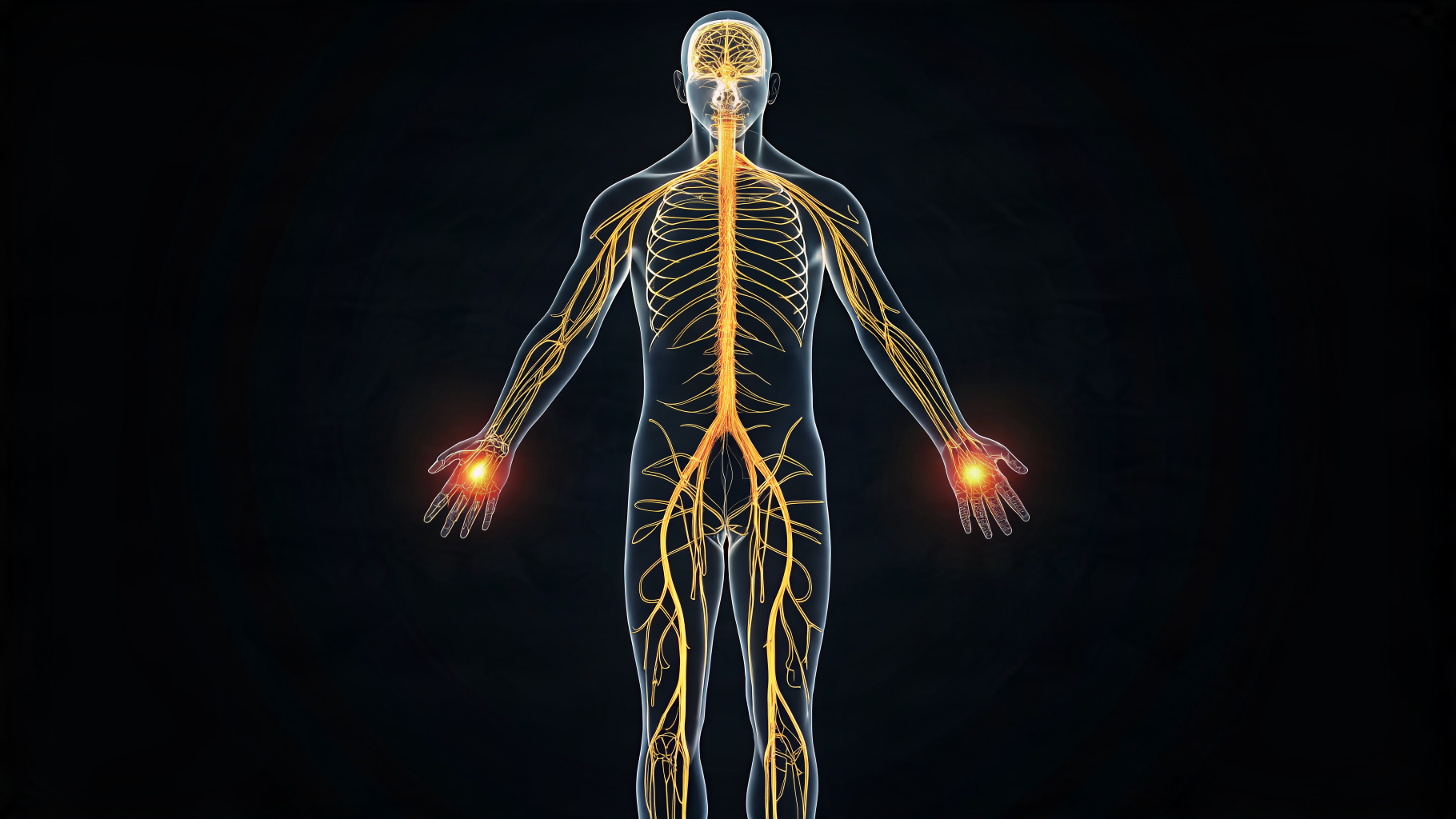
Neuropathy is a term used to describe a range of health problems involving damage to the peripheral nerves, which are the nerves outside of your brain and spinal cord. These nerves are a vital communication network, sending signals about physical sensations back to your brain and carrying instructions from your brain to the rest of your body. When this network is damaged, it can lead to pain, numbness, and weakness, typically in the hands and feet but also in other areas. Understanding the potential causes is the first step toward recognizing and addressing the condition.
What Exactly is Neuropathy?
Peripheral neuropathy refers to the damage or dysfunction of one or more nerves. The peripheral nervous system includes all the nerves that branch out from the brain and spinal cord to the rest of the body, including your arms, legs, and organs. These nerves are responsible for sensory functions (like touch and temperature), motor functions (controlling muscle movement), and autonomic functions (regulating involuntary actions like heart rate and digestion).
Neuropathy can affect a single nerve (mononeuropathy), two or more nerves in separate areas (multiple mononeuropathy), or many nerves simultaneously (polyneuropathy). The symptoms and severity can vary widely depending on which nerves are affected and the extent of the damage. Identifying the type and cause is crucial for managing the condition effectively.
Diabetes as a Leading Cause
One of the most common causes of neuropathy worldwide is diabetes. Diabetic neuropathy is a type of nerve damage that can occur if you have diabetes. High blood sugar (glucose) can injure nerve fibers throughout your body, but it most often damages nerves in your legs and feet. This happens over time as prolonged exposure to high glucose levels interferes with the nerves' ability to transmit signals and also weakens the walls of the small blood vessels that supply the nerves with oxygen and nutrients.
Depending on the affected nerves, symptoms can range from pain and numbness in your extremities to problems with your digestive system, urinary tract, blood vessels, and heart. For many people with diabetes, managing blood sugar levels is a key strategy to help prevent or delay the onset and progression of nerve damage.
Physical Injury and Repetitive Stress
Traumatic injuries are another significant cause of neuropathy. Nerves can be damaged by direct impact from accidents, falls, or sports injuries. This trauma can cause nerves to be partially or completely severed, crushed, compressed, or stretched, disrupting their function. The resulting nerve pain and dysfunction can be temporary or permanent, depending on the severity of the injury.
Beyond sudden injuries, repetitive physical stress can also lead to neuropathy. Conditions like carpal tunnel syndrome occur when a nerve, in this case the median nerve in the wrist, is compressed due to repetitive motions. This type of compression neuropathy causes pain, numbness, and tingling in the hand and arm. Activities that involve repetitive flexing of a joint for long periods can put pressure on nerves and cause damage over time.
Infections and Autoimmune Disorders
Certain viral and bacterial infections can directly lead to neuropathy. For example, the virus that causes shingles (varicella zoster) can result in postherpetic neuralgia, a painful condition affecting nerve fibers and skin. Other infections linked to neuropathy include Lyme disease, HIV, and hepatitis C. These pathogens can attack nerve tissues directly or trigger an inflammatory response that damages them.
Autoimmune diseases can also be a root cause. In these conditions, the body's immune system mistakenly attacks its own tissues, including the nerves or the myelin sheath that protects them. Guillain-Barré syndrome, lupus, and rheumatoid arthritis are examples of autoimmune disorders that can cause various forms of neuropathy by triggering inflammation and nerve damage throughout the body.
Nutritional Deficiencies and Toxin Exposure
A balanced diet is essential for proper nerve function, and deficiencies in certain vitamins can cause significant nerve damage. A lack of B vitamins, particularly B12, B6, B1 (thiamine), and folate, is strongly associated with the development of peripheral neuropathy. These vitamins are crucial for nerve health, and their absence can lead to the breakdown of nerve fibers. Conversely, an excess of vitamin B6 can also be toxic to nerves.
Exposure to toxins is another potential cause. This includes environmental or industrial chemicals as well as heavy metals like lead, mercury, and arsenic. Furthermore, certain medications, most notably some drugs used for chemotherapy, are known to cause neuropathy as a side effect. Alcoholism can also lead to nerve damage, both through direct toxic effects and by causing associated nutritional deficiencies.
Recognizing Common Neuropathy Symptoms
The symptoms of neuropathy largely depend on whether motor, sensory, or autonomic nerves are damaged. Because it often progresses slowly, people may not be aware of the extent of the damage until symptoms become more pronounced. Knowing what to look for is important for early recognition.
Common sensory symptoms often start in the feet and hands and can include:
- A gradual onset of numbness, prickling, or tingling, often described as 'pins and needles.'
- Sharp, jabbing, throbbing, or burning pain.
- Extreme sensitivity to touch, where even light pressure can be painful.
- Loss of sensation, which can make it difficult to feel heat, cold, or pain.
If motor nerves are affected, you might experience muscle weakness, loss of coordination, and even paralysis. Damage to autonomic nerves can affect blood pressure, digestion, and bladder function, leading to a different set of challenges.