Understanding Nerve Pain in the Hip: A Comprehensive Guide
Nerve pain in the hip can be a distressing and often misunderstood condition. Unlike the dull ache of a muscle strain or the stiffness of arthritis, nerve pain presents with unique characteristics like shooting sensations, burning, or numbness. Understanding the source of this pain is the first step toward finding appropriate ways to manage it. This article provides a detailed overview of the causes, symptoms, and diagnostic processes related to nerve pain originating in or affecting the hip area.
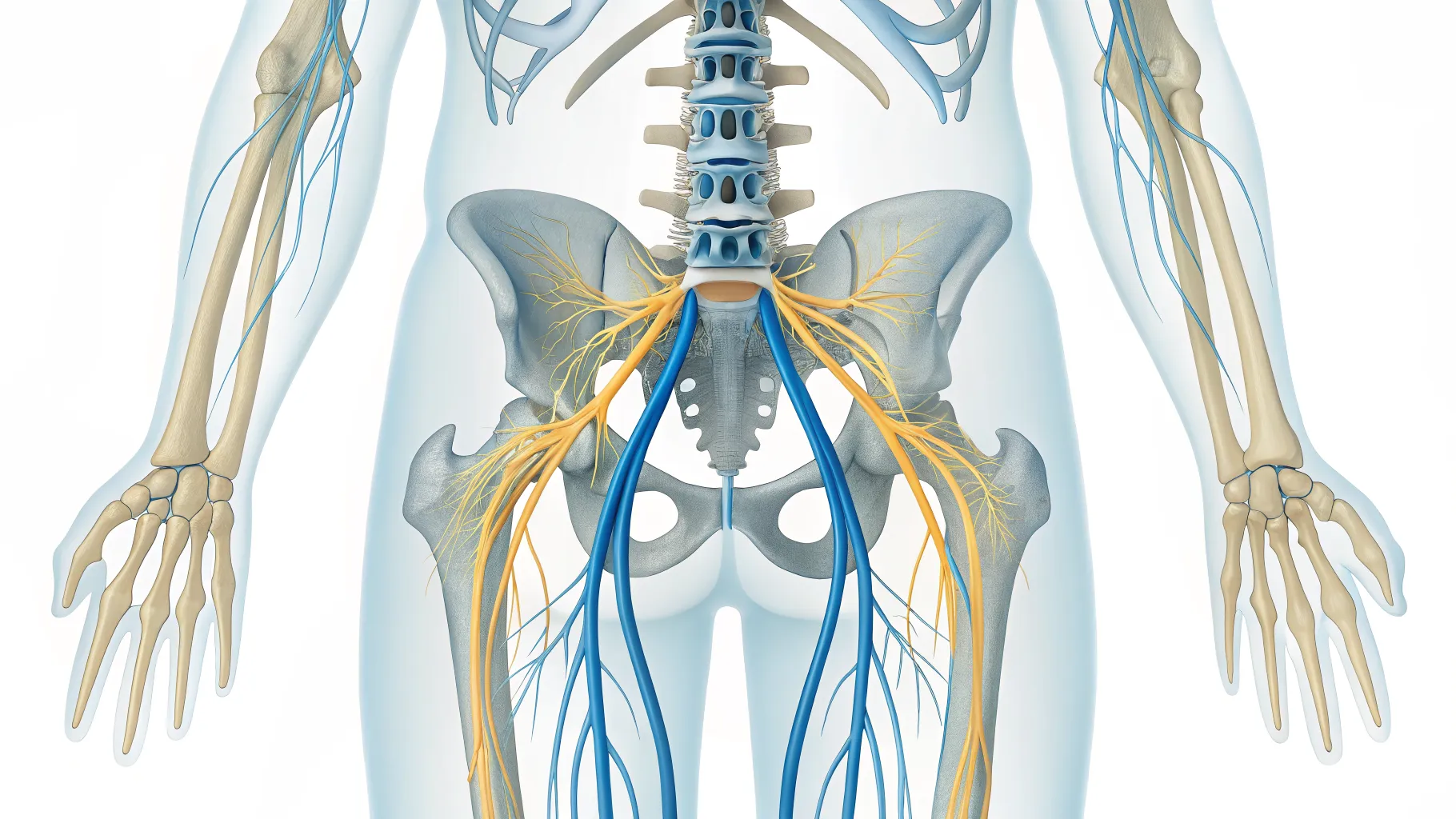
What is Hip Nerve Pain?
Hip nerve pain, also known as neuralgia in the hip region, occurs when a nerve is compressed, irritated, or damaged. Nerves are like the body's electrical wiring, transmitting signals between the brain and the rest of the body. When a nerve in or around the hip is affected, it can disrupt these signals, leading to a variety of uncomfortable and painful sensations. This type of pain is distinct from musculoskeletal pain, which involves muscles, bones, or joints.
The character of nerve pain is often described differently than other types of pain. Instead of a deep, throbbing ache, individuals might experience sharp, electric shock-like jolts, a persistent burning feeling, or tingling and numbness, often referred to as 'pins and needles.' The pain may also radiate from the hip down the leg or into the lower back, depending on which nerve is involved and where the compression is located.
Common Causes of Nerve Pain in the Hip
Several conditions can lead to the compression or irritation of nerves around the hip. The source of the problem is not always in the hip itself; for instance, issues in the lower spine can cause pain that is felt in the hip. Identifying the underlying cause is crucial for effective management.
Some of the most frequent causes include:
- Sciatica: Compression of the sciatic nerve, which runs from the lower back, through the buttocks and hip, and down the leg. This is one of the most common sources of hip nerve pain.
- Meralgia Paresthetica: This condition involves the compression of the lateral femoral cutaneous nerve, which supplies sensation to the skin on your outer thigh. It causes tingling, numbness, and burning pain in that area.
- Pinched Nerves in the Spine: Conditions like a herniated disc or spinal stenosis in the lumbar (lower) spine can put pressure on nerve roots that travel to the hip area.
- Piriformis Syndrome: The piriformis muscle, located in the buttock region near the top of the hip joint, can spasm and irritate or compress the nearby sciatic nerve.
- Direct Injury: Trauma to the hip from a fall, accident, or sports injury can directly damage nerves or cause swelling that compresses them.
Sciatica and Its Connection to Hip Pain
Sciatica is a term that specifically refers to pain radiating along the path of the sciatic nerve. Because this large nerve passes directly through the hip and buttock region, its irritation is a primary culprit behind nerve pain felt in this area. The pain is typically caused by pressure on the nerve root as it exits the spinal column in the lower back, often due to a herniated disc or bone spur.
While the root problem may be in the spine, the symptoms are prominently felt along the nerve's path. A person with sciatica might experience a sharp, searing pain that originates in the lower back or buttock and travels down the back of the thigh. The pain can range from a mild ache to an excruciating, debilitating sensation, often affecting only one side of the body. Weakness or numbness in the affected leg and foot may also accompany the pain.
Symptoms to Watch For
Recognizing the specific symptoms of nerve pain can help distinguish it from other forms of hip pain, such as arthritis or bursitis. Nerve-related symptoms tend to have a distinct electrical or burning quality. Being able to describe your symptoms accurately can assist a healthcare professional in their diagnosis.
Key symptoms of nerve pain in the hip include:
- A sharp, shooting, or jolt-like pain.
- A persistent burning or searing sensation.
- Tingling, often described as 'pins and needles.'
- Numbness or a loss of sensation in the hip, buttock, or down the leg.
- Weakness in the leg or foot on the affected side.
- Pain that worsens with certain activities, like sitting for long periods, standing up, or walking.
How Nerve Pain is Diagnosed
Diagnosing the cause of hip nerve pain typically begins with a thorough medical history and physical examination. A doctor will ask about the nature of your pain, its location, what makes it better or worse, and any other symptoms you are experiencing. During the physical exam, they may check your reflexes, muscle strength, and ability to feel different sensations.
If the cause is not immediately clear, further diagnostic tests may be recommended. Imaging tests like an MRI can show soft tissues, including herniated discs or muscle issues that might be compressing a nerve. X-rays can reveal bone spurs or spinal alignment problems. In some cases, nerve conduction studies or an electromyography (EMG) test may be used to assess how well the nerves are functioning and pinpoint the location of nerve damage.
General Approaches to Managing Hip Nerve Pain
The approach to managing nerve pain in the hip depends heavily on the underlying cause. The primary goal is to relieve the pressure on the affected nerve. For many people, a combination of conservative, non-invasive methods can provide significant relief. This often starts with activity modification, avoiding positions or movements that aggravate the pain.
Physical therapy is a cornerstone of management for many types of nerve pain. A therapist can design a program of specific stretches and exercises to improve flexibility, strengthen supporting muscles, and reduce nerve compression. Gentle activities like walking, swimming, or yoga can also be beneficial. For inflammation, applying heat or cold packs may offer temporary relief. Maintaining good posture, especially when sitting for long periods, can also help prevent further irritation.