Understanding Common Causes of Muscle Weakness in Seniors
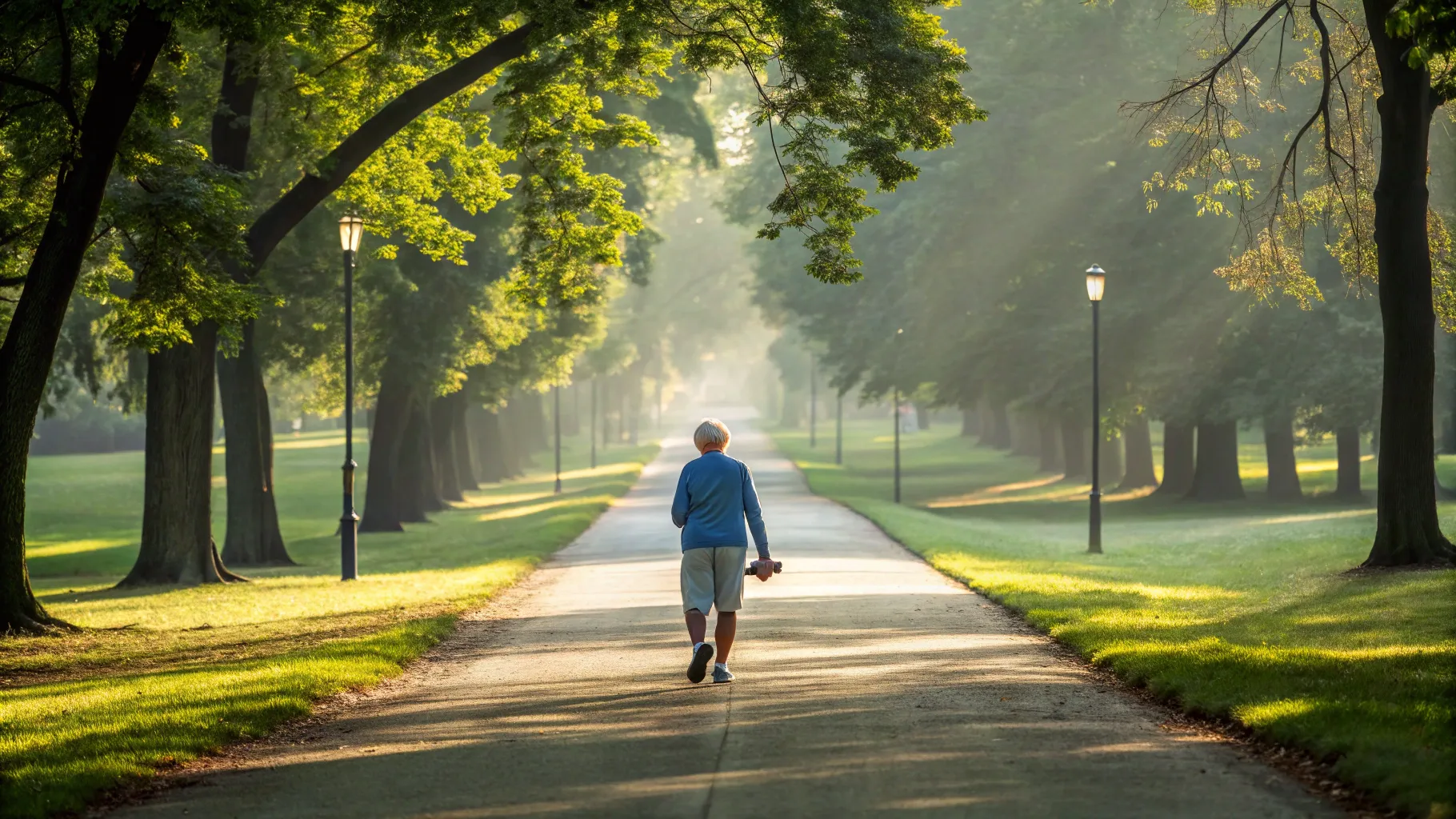
Key Reasons Behind Muscle Weakness in Seniors
As society progresses through 2025, understanding the nuances of muscle weakness in seniors is vital, transcending the simplistic notion of it being a mere byproduct of aging. This phenomenon involves a myriad of factors ranging from biological changes to lifestyle interventions, all contributing to the diminished muscle strength and decreased functionality in the elderly.
Decoding Muscle Deterioration in the Elderly
While it's easy to attribute muscle weakness to aging, the truth is more intricate. The decline in muscle health among seniors cannot be dismissed without examining multiple contributing elements:
Sarcopenia: A significant cause of muscle loss, sarcopenia leads to a steady decline in muscle mass and functionality among those over 65. Revelations from recent studies indicate that individuals can lose 8-10% of their muscle mass each decade after turning 30, with an alarming acceleration post-70. Anticipatory measures geared toward conservation are essential in addressing this.
Physical Inactivity: A sedentary lifestyle has drastic implications on muscle integrity. With the habitual reluctance of seniors to engage in physically stimulating activities, muscles atrophy. The chain reaction leads to compromised independence and a heightened risk of falls. Therefore, instilling an active regimen is essential for retaining muscle vitality and longevity.
Chronic Health Conditions: Conditions such as diabetes, arthritis, and cardiovascular issues often lead to reduced physical activity. Statistical data reveals that 30% of seniors living with chronic ailments report an ongoing decline in muscle strength. Management of these ailments is paramount to curtailing the consequent muscle degradation.
The Impact of Lifestyle on Muscle Health
Your lifestyle choices hold significant sway over muscle health as you age. Seniors must closely consider the following elements:
Balanced Nutrition: Achieving optimal muscle health hinges on a well-balanced diet. Foods high in protein—like lean meats, legumes, and dairy—are essential. Research has thrown light on the benefits of omega-3s and vitamin B12 in reinforcing muscles, highlighting the need for a diverse diet plan.
Exercise Routine: Structured exercise routines play an indispensable role. Activities that incorporate resistance training and low-impact exercises yield improved balance and reduce fall risk factors. Per the World Health Organization, seniors should aim for 150-300 minutes of weekly moderate aerobic activities for holistic muscle health.
- Aerobic activities like walking and swimming bolster cardiovascular health and endurance.
- Strengthening exercises with manageable weights support muscle maintenance and functionality.
Adequate Hydration: Muscles are composed largely of water; hence, hydration is crucial. Insufficient fluid intake can result in impaired muscle recovery and function, making regular water consumption non-negotiable.
Strategies to Sustain Muscle Health Effectively
The potential for enhancing the life quality of seniors through muscle health maintenance is profound. The following strategies offer insight and guidance:
Routine Health Screenings: Regular medical evaluations can promptly identify the onset of muscle weakening. Immediate interventions through diet, supplementation, and professional advice can halt progression, accentuating the importance of early detection.
Tailored Fitness Programs: Engaging with personal trainers or physical therapists facilitates the creation of custom exercise schedules that are safe yet challenging. This personalized focus maximizes benefits while accommodating individual needs.
Progressive Resistance Training: Incremental increases in weights during strength exercises can substantially enhance muscle tone and capability. Studies observe significant progress in seniors partaking in systematic resistance training over continuous six-month intervals.
Mindfulness and Flexibility Exercises: Activities such as yoga and tai chi are exemplary for improving posture, flexibility, and mental well-being. Current insights report remarkable strides in overall senior health following consistent participation in these practices.
Prioritizing muscle strength extends beyond merely increasing lifespan; it embodies the quest for preserving autonomy, vigor, and an improved quality of life. Armed with a breadth of knowledge and community support, seniors can aspire to sustain muscle health, transforming the journey of aging into an empowering phase of life. Through concerted efforts and minor, mindful lifestyle shifts, seniors can embrace a life of sustained mobility and independence.