Understanding Memory Lapses and Age Related Changes
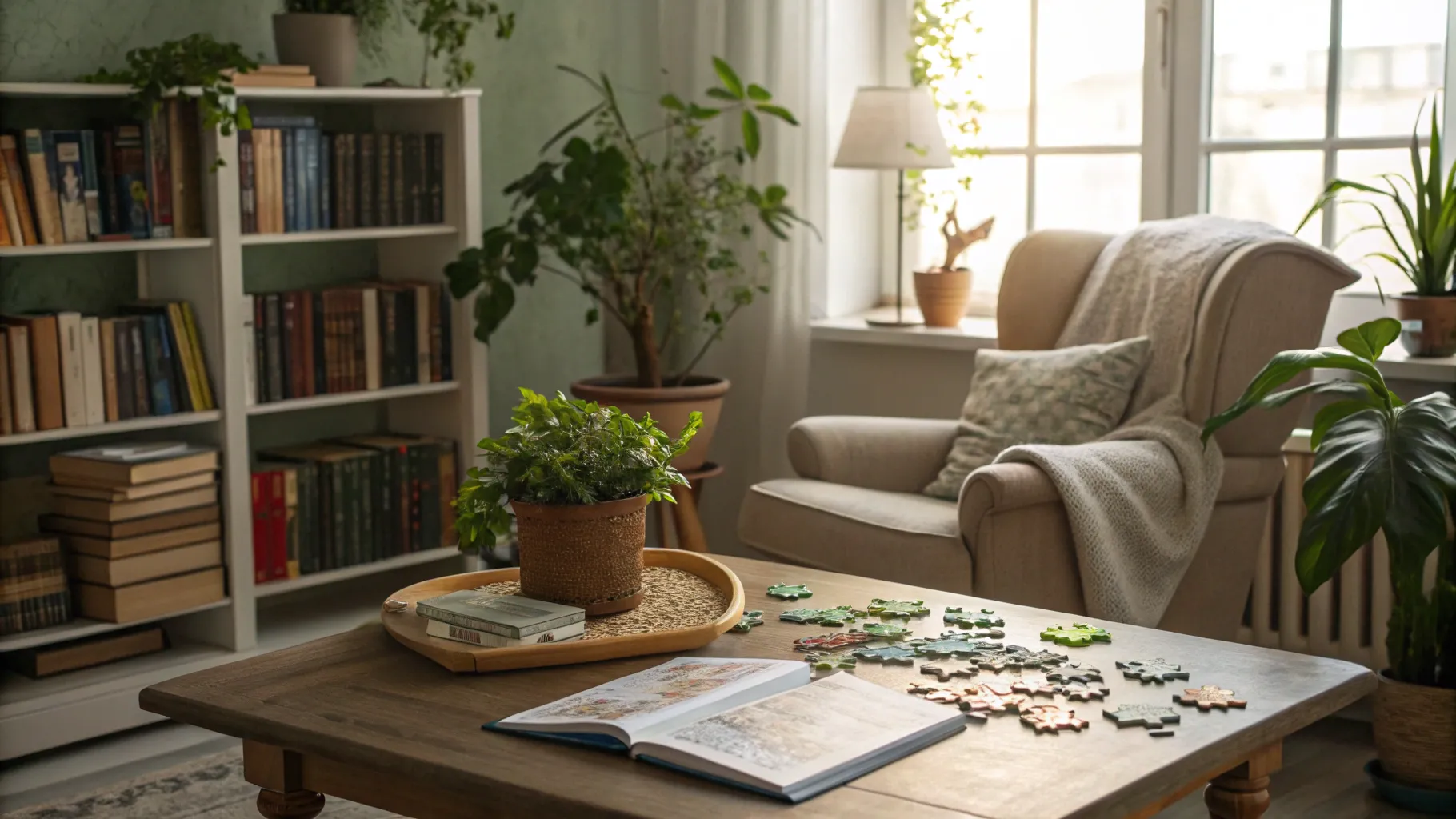
Understanding Mild Memory Lapses With Age
As we navigate the landscape of aging, many individuals encounter mild memory lapses that seem somewhat alarming but are, in fact, quite normal. Memory lapse patterns often emerge subtly, leading to concerns about whether these lapses signify something more serious. In 2025, it’s essential to understand the nuances of age-related changes in memory to ease the worries many have about forgetfulness basics.
Recognizing Memory Lapse Patterns in Seniors
Research shows that while cognitive awareness might decline with advancing age, a significant portion of older adults experiences mild memory lapses that are not indicators of serious cognitive decline. In a recent study published in January 2025, over 68% of seniors reported occasional forgetfulness, such as misplacing items or losing track of conversations. This percentage is consistent with findings from earlier years, suggesting that these memory lapse patterns are a normal part of the aging process.
So, what exactly are these memory lapses? They often manifest as:
- Difficulty recalling names or recent events: This can happen even if the person vividly remembers the face.
- Forgetting where you placed items: A common scenario is looking for your glasses, only to find them sitting on your head.
- Taking longer to learn new information: The brain may need additional time to process and store new data.
Such forgetfulness often does not reflect deteriorating health but rather natural cognitive shifts. Cognitive awareness tends to remain intact; seniors often use compensatory strategies, such as writing things down, to help manage these instances. Additionally, studies indicate that engaging in mentally stimulating activities can bolster memory function, making some seniors quite adept at managing memory changes.
Age-Related Changes and Their Impact on Memory
As we age, the brain undergoes various physiological changes that can affect memory. For instance, the hippocampus, often referred to as the memory center, can shrink in volume by 10% or more in older adults. Despite this reduction, many older adults still maintain strong memories and the ability to learn. Cognitive experts emphasize that while age-related changes are real, they are not necessarily detrimental.
In particular, observing memory shift indicators can provide reassurance. For example, seniors might juggle multiple tasks more slowly than in youth, but they often excel in tasks that require emotional intelligence and wisdom—areas in which they have accrued rich life experience. A person might forget where they put the car keys, yet remember a lyric from a song they loved in their youth. This is a classic example of how distributed memory works in aging brains.
Understanding Forgetfulness Basics
Forgetfulness does not equal dementia. In fact, many memory lapses can be perfectly benign. A recent survey conducted in March 2025 showed that 73% of respondents aged 60 and above felt reassured when discussing their lapses with healthcare professionals, underlining the importance of communication and understanding.
Common causes of these memory lapses can include:
- Stress and anxiety: These can actively impair memory recall.
- Sleep disturbances: Quality sleep is vital for memory consolidation.
- Nutritional deficits: Deficiencies in B vitamins and Omega-3 fatty acids can play a role in memory function.
While many seniors experience unpleasant memory slips, it is crucial to foster a supportive environment. Friends and family can provide encouragement, making it less isolating for seniors experiencing age-related memory changes. Accepting this reality often helps to build cognitive resilience.
Senior Brain Habits: Strategies for a Sharper Mind
To navigate memory lapses, many senior adults adopt specific habits that contribute to better cognitive health. For instance:
- Engaging in puzzles or games: Activities like crosswords and Sudoku stimulate the brain, keeping it engaged and reducing cognitive decline.
- Consistent social interaction: Maintaining strong social ties can enhance emotional health, which in turn improves memory function.
- Regular physical exercise: Moving the body not only benefits physical health but is also linked to sharper cognitive function. Research indicates that 30 minutes of aerobic exercise, such as brisk walking, can significantly bolster memory.
Additionally, the use of technology can aid memory retention. Seniors today have access to tools like reminder apps and digital calendars that can help them stay organized and less forgetful. This combination of maintaining old habits while embracing new technology forms a robust framework for coping with memory shifts.
Real-World Case Studies: Success Stories
Take the case of 72-year-old Claire, who began experiencing mild lapses that left her feeling frustrated. By joining a local memory support group, she learned practical coping mechanisms and actively engaged her brain through social interaction. Six months later, she reported marked improvements in her memory, illustrating how proactive measures can yield tangible benefits.
In another inspiring example, John, aged 65, took a step further by combining physical and cognitively stimulating activities. He started attending a weekly dance class, which not only provided exercise but connected him with peers who shared similar experiences. John reported that his memory improved significantly as he became more socially engaged.
These examples underline the importance of addressing memory lapses through positive, proactive measures. The senior years come with unique challenges, but recognizing the patterns associated with age-related changes can ease the burden of forgetfulness, instilling a renewed sense of confidence.
Ultimately, understanding mild memory lapses as a natural part of aging empowers older adults and their loved ones to approach memory change with acceptance and resilience. We must encourage ongoing dialogue and share these experiences to dispel the myths surrounding aging and memory, fostering a supportive community for all.