Understanding Medication Delivery Services and Access
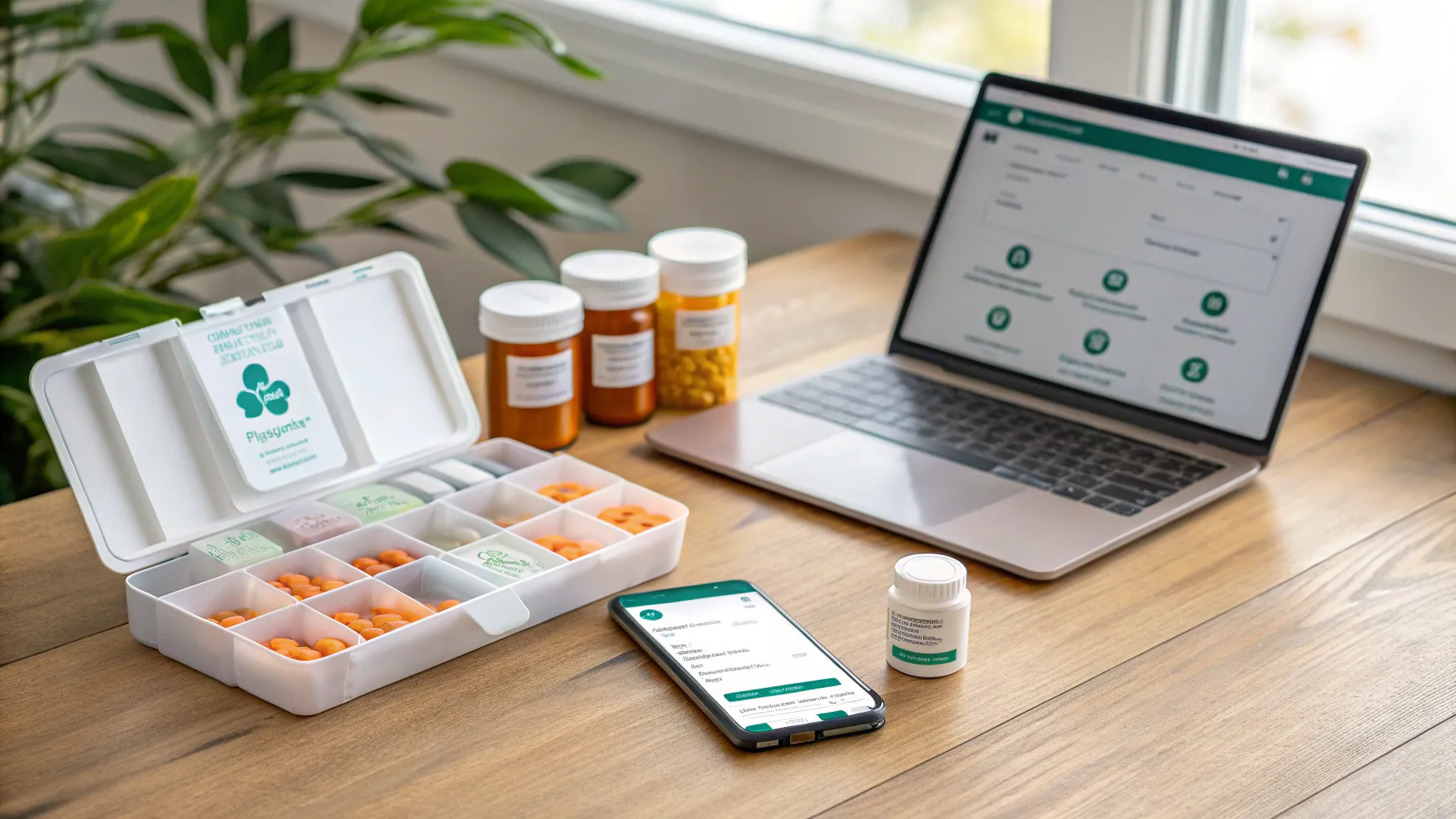
Understanding Medication Delivery Services
In our rapidly changing world, where convenience and accessibility are increasingly important, medication delivery services are transforming how patients receive their prescriptions. By streamlining the process of treatment distribution, these services support medication adherence, an important factor for patient health outcomes. Many pharmacies and healthcare providers are now integrating technological approaches to make healthcare more accessible and structured.
How Medication Delivery Services Work
At the core of medication delivery services is a straightforward operational model designed to coordinate medication distribution efficiently. It begins when a patient places an order through user-friendly channels such as smartphone apps, dedicated websites, or by calling their pharmacy. Once the order is received, the pharmacy prepares the medication and organizes the logistics for delivery.
A key feature of this system is coordinated communication between healthcare providers and pharmacies. Many healthcare professionals use electronic prescriptions, allowing medications to be prepared in advance for timely distribution. This connectivity helps reduce errors in fulfilling medication orders. Pharmacists also play a critical role by verifying all orders before dispatch and providing guidance on safe and appropriate medication use.
As technology advances, pharmacies increasingly employ tools that support the management of delivery logistics. This includes tracking systems and digital platforms that keep patients informed about the status of their orders. Patients on regular medication schedules benefit from knowing the expected delivery time, contributing to consistent adherence to prescribed regimens.
Prescription Home Delivery Methods Explained
The global pandemic significantly spurred the demand for contactless medication delivery solutions. Today, patients benefit from a variety of delivery options, each tailored to meet distinct needs:
- Standard Delivery: This economical choice typically allows for delivery within 1 to 3 business days, providing patients the flexibility to plan ahead for their needs.
- Expedited Delivery: Expedited Delivery: For urgent situations, some pharmacies offer accelerated delivery, often within the same day or by the next day.
- Scheduled Delivery: Some pharmacies have adapted by allowing patients to choose specific delivery windows, accommodating the busy lifestyles of many individuals.
- Automatic Refills: To alleviate the burden on patients, numerous pharmacies now offer automated refill and delivery services that align with patients' ongoing medication requirements.
These options have been associated with improved adherence. Recent studies indicate that patients using prescription delivery services are 1.5 times more likely to follow their prescribed regimen compared to traditional pick-up methods.
Understanding Pharmacy Delivery Systems
Pharmacy delivery systems have undergone technological advancements, particularly through the integration of software that helps coordinate logistics and inventory management. This contributes to reliable medication distribution along with necessary information about dosages, side effects, and potential interactions.
Telehealth consultations are now sometimes incorporated during the delivery process, allowing patients to discuss questions or concerns regarding their medications. This feature supports patient understanding and informed medication management.
Technological developments have also led to new delivery methods, such as the use of drones. Drones are being studied as a way to reduce delivery times for essential medications, particularly in urban areas. This method demonstrates how technology can improve access to healthcare resources efficiently.
Supporting Medication Accessibility
A major advantage of medication delivery services is improved accessibility. Easier access to medications is important for public health. Individuals with mobility challenges, seniors with transportation difficulties, or patients in remote areas rely on these services, where medication delivery functions as a support mechanism for maintaining prescribed treatments.
A survey revealed that around 50% of patients using these services report increased satisfaction with their overall healthcare experience. For example, Mr. Thompson, an 82-year-old patient with limited mobility, now receives medications at home weekly, which has facilitated adherence to prescriptions and contributed to maintaining his health.
From a financial standpoint, medication delivery services may also contribute to cost savings. Some companies provide bulk order discounts or membership programs that assist in managing medication expenses. This approach can improve access to medications and support initiatives aimed at expanding healthcare availability.
Looking ahead, the future of medication delivery services appears promising. As healthcare systems recognize the role of technology, there is potential for further integration of innovative methods to enhance delivery efficiency and patient adherence. Continuous developments in these systems may support better access to medications and improved population health outcomes.