Understanding Lymph Fluid Buildup and Drainage Techniques
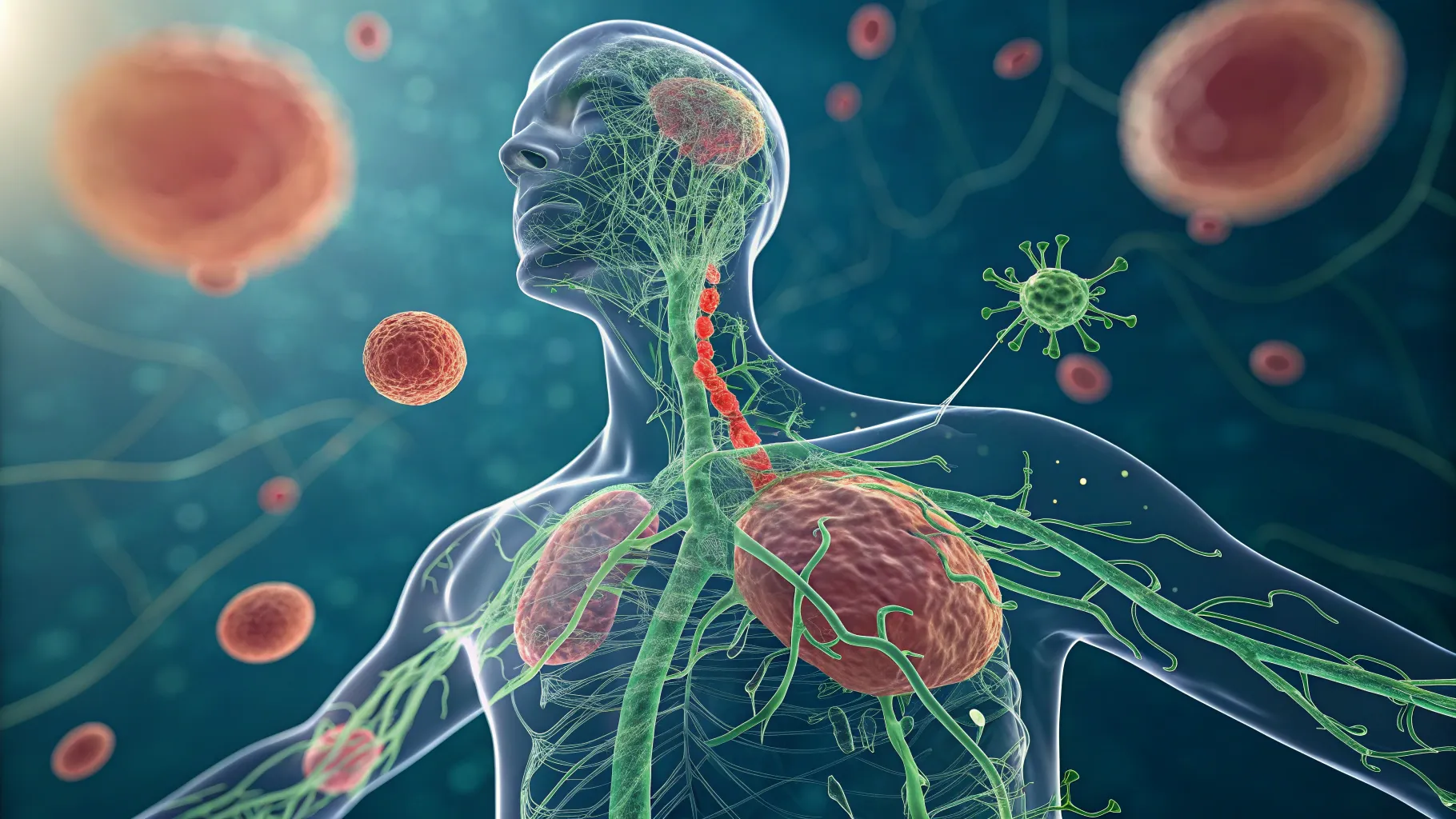
Lymph Fluid 101 Understanding Its Importance and Functions
Lymph fluid plays a critical role in maintaining a healthy immune system and proper bodily functions. As a colorless fluid found in the lymphatic vessels, it is composed mainly of water, proteins, and white blood cells. This fluid is essential for transporting nutrients, cleansing tissues, and facilitating the immune response.
Dating back to the early discovery of the lymphatic system in the 16th century, researchers have continually uncovered the significant implications that lymph fluid has on our health. As of early 2025, scientific studies emphasize not just the lymphatic system's role in immunity but also its importance in regulating fluid balance within the body.
The Consequences of Lymph Fluid Buildup
When lymph fluid does not drain properly, it can lead to a condition known as lymphatic obstruction, commonly resulting in lymph fluid buildup. This accumulation of fluid, known as lymphedema, can manifest in various ways, often resulting in swelling in different regions of the body, such as the arms and legs.
Recent statistics indicate that approximately 10 million people in the United States suffer from lymphedema to varying degrees. This swelling can not only affect mobility and comfort but also lead to more serious infections. Infections occur because the stagnant lymph fluid becomes a breeding ground for bacteria.
Some common causes of lymph fluid buildup include:
- Surgery, especially when lymph nodes are removed
- Radiation therapy for cancer treatment
- Infections
- Obesity, which can put additional pressure on the lymphatic system
- Inherent congenital malformations of the lymphatic system
Lymph Fluid and Swelling How It Affects Your Body
Swelling due to lymph fluid buildup can be particularly significant in the legs and arms, often leading to discomfort and restricted movement. Patients may notice that joint pain becomes more pronounced, and simple tasks can become challenging. The rigorous routine of sports enthusiasts and fitness lovers may also be affected, as swelling can limit their physical activity.
Beyond physical discomfort, there is an emotional component tied to lymphedema. Social perceptions of visible swelling can lead many individuals to avoid situations where their condition becomes apparent. This psychological impact is equally important to address, as individuals grappling with lymphedema often report feelings of self-consciousness.
Lymph Fluid Drainage Information Techniques to Manage Swelling
Managing lymph fluid buildup often requires a multi-faceted approach. Here are some practical strategies that have proven effective in facilitating lymph fluid drainage, addressing the symptoms of swelling, and boosting overall lymphatic health:
- Compression Garments: The use of compression sleeves or stockings can help promote lymphatic drainage by exerting pressure on swollen areas, facilitating fluid movement.
- Manual Lymphatic Drainage (MLD): This specialized type of massage is designed to stimulate the lymphatic system. Certified therapists often use gentle, rhythmic strokes to guide lymph fluid towards lymph nodes.
- Exercise: Engaging in gentle regular movements such as walking, swimming, or yoga can help stimulate lymph flow. Low-impact activities are generally recommended for those dealing with swelling.
- Dietary Adjustments: Staying hydrated and consuming a balanced diet rich in antioxidants can support the lymphatic system's overall function. Foods like citrus, garlic, leafy greens, and turmeric have been shown to have positive effects on lymph health.
- Practicing Good Skin Care: Keeping skin intact and well-cared-for minimizes the risk of infections, particularly for those with lymphedema. Regular moisturizing can help protect the skin integrity.
Recent developments in lymphedema treatment have also focused on surgical interventions, including lymph node transfer and vascularized lymph node transfer, which aim to restore normal lymphatic drainage for those who suffer from chronic conditions.
Additionally, newer technologies such as pneumatic compression devices have garnered attention. In these devices, air is pumped into garments, creating pressure that helps push lymph fluid out of congested areas. As awareness about lymphedema grows, healthcare providers are increasingly recommending these specialized tools.
Real-World Impact of Proper Lymph Care
The impact of managing lymph fluid and preventing lymphedema cannot be understated. Case studies from the last six months illustrate extraordinary success stories where individuals have incorporated lifestyle changes and treatment options, leading to significant improvements in their quality of life. Patients not only report decreased swelling but also a renewed sense of self and empowerment.
For instance, a 34-year-old woman diagnosed with lymphedema after breast surgery utilized a combination of manual lymphatic drainage, exercise, and dietary changes. Within months, she experienced marked decreases in swelling and an increase in mobility, uplifting her spirits and allowing her to engage more fully in her life.
As our understanding of lymph fluid and its complexities continues to evolve, so too does the commitment to ensuring better health outcomes for individuals at risk of lymphedema. Continued research will be critical in keeping pace with advancements in treatment, and the importance of holistic approaches that integrate both physical and mental health is becoming increasingly evident.
Ultimately, addressing lymph fluid issues requires awareness, education, and proactive care. By considering the symptoms of lymph fluid buildup and exploring effective drainage techniques, individuals can take charge of their health journey and significantly improve their quality of life.