Understanding Lymph Fluid Buildup and Drainage Solutions
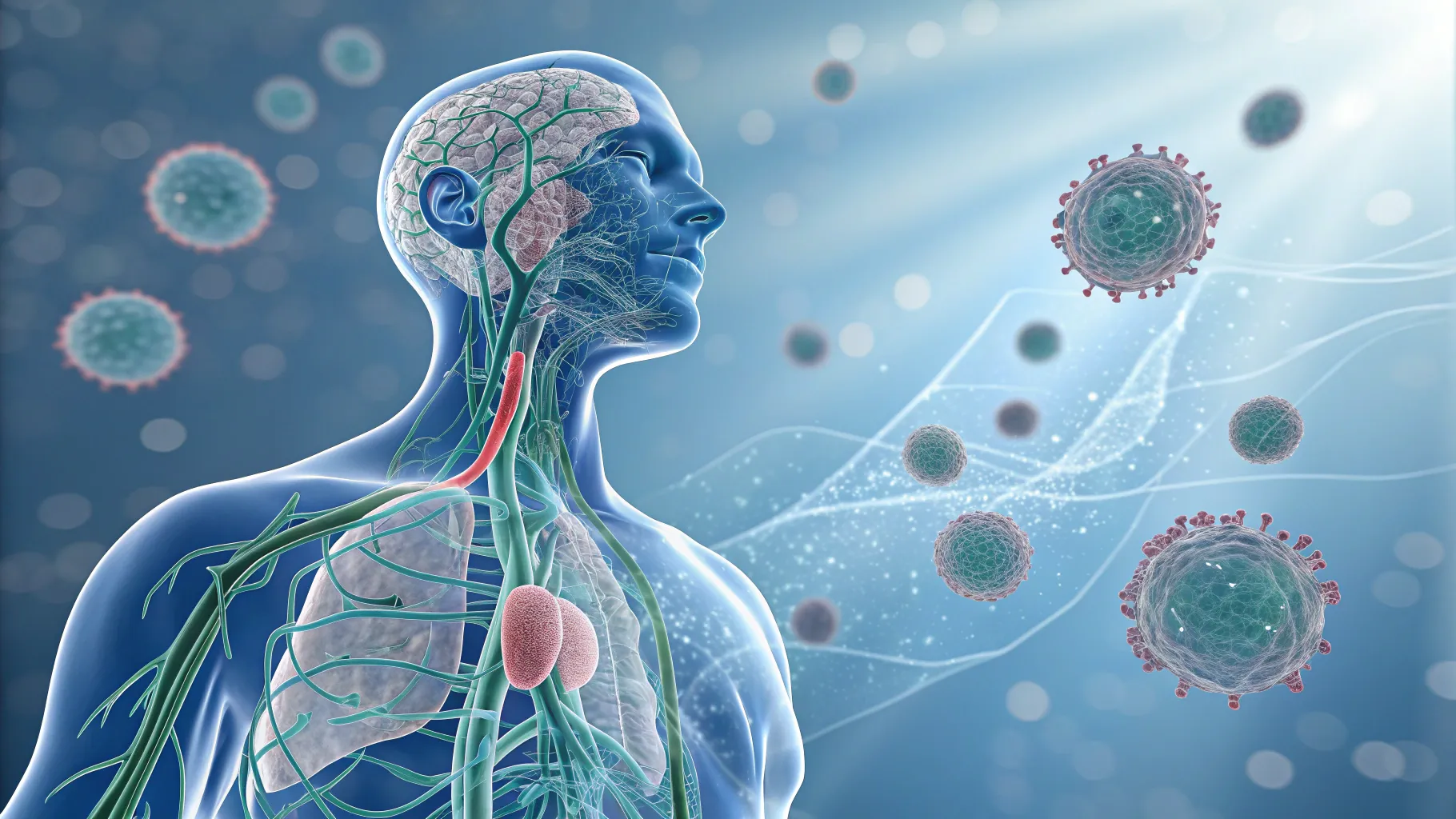
Lymph Fluid Understanding and Its Importance
Lymph fluid, or simply lymph, is the lifeblood of our immune system and plays a pivotal role in maintaining the body’s fluid balance. This clear, protein-rich fluid is composed of various cellular components, including white blood cells and lipids, that help transport essential nutrients and facilitate waste removal throughout our tissues. In 2025, our awareness of the significance of lymphatic health has significantly increased, as modern lifestyle factors and environmental influences continue to impact fluid dynamics in our bodies.
What is Lymph Fluid?
The lymphatic system operates as an extensive network of vessels and nodes that parallels the circulatory system, effectively managing the body’s immune response and fluid balance. Lymph fluid originates from interstitial fluid, which seeps from blood vessels into the spaces between cells. This interstitial fluid carries vital nutrients, oxygen, and metabolic byproducts that cells need.
Once collected through tiny lymphatic capillaries, interstitial fluid transforms into lymph fluid. It travels through lymphatic vessels, passing through lymph nodes where immune responses are set in motion if pathogens or harmful substances are detected. Understanding lymph fluid and recognizing the importance of maintaining its flow have become critical, particularly as we face the rising challenges of lymph fluid buildup.
Lymph Fluid Buildup: Causes and Symptoms
Lymph fluid buildup, medically termed lymphedema, can occur when the lymphatic system is compromised. There are numerous reasons for this, including:
- Surgery: Surgical removal of lymph nodes is a common treatment in cancer patients, which can result in obstructed lymph flow.
- Injury: Trauma to the lymphatic vessels, whether through accidents or sports, can lead to localized swelling.
- Infection: Specific infections can hinder the function of the lymphatic system, exacerbating conditions like swelling.
- Genetic Conditions: Certain congenital conditions can predispose individuals to chronic lymphedema, leading to lifelong challenges.
Recent studies reveal that the prevalence of lymphedema has sharply risen among cancer survivors, particularly in the last six months. It is estimated that up to thirty percent of breast cancer patients who undergo lymph node removal will develop some form of this condition. Symptoms vary widely, from mild swelling to significant discomfort that can hinder a person’s mobility and diminish their quality of life.
How Lymph Fluid Affects the Legs and Arms
The accumulation of lymph fluid often becomes most visible in the legs and arms. Those affected can experience a range of symptoms, such as swelling, a dull heaviness, and a sensation of tightness or fullness in the impacted limbs. In 2025, significant strides have been made in addressing these symptoms through a combination of traditional and innovative treatment strategies:
- Compression Therapy: Wearing specially designed compression garments helps regulate lymph flow and reduce swelling in the extremities.
- Manual Lymph Drainage: This gentle massage technique activates the lymphatic system, encouraging the movement of lymph fluid.
- Exercise Programs: Customized exercise regimens have proven beneficial in enhancing lymphatic function and alleviating symptoms of lymphedema.
Case studies from recent months show that integrating these approaches can lead to dramatic improvements in patient outcomes. Individuals experiencing severe lymphedema have reported substantial pain relief and enhanced mobility through the consistent application of exercise and physical therapy. Such patient-centered care frameworks are becoming the standard in addressing lymphatic health.
Lymph Fluid Drainage: Important Information
The maintenance of proper lymphatic drainage is increasingly vital in today's health landscape, especially as awareness of lymphatic health continues to grow. Presently, increased public health initiatives educate people about the significance of keeping this system functioning optimally. Key aspects include:
- Hydration: Adequate fluid intake is crucial for maintaining the viscosity of lymph fluid, thereby promoting its smooth flow.
- Diet: A balanced diet rich in vitamins, antioxidants, and healthy fats can significantly bolster lymphatic function.
- Physical Activity: Engaging in regular, moderate exercises such as walking or low-impact yoga has been shown to enhance lymphatic circulation.
Emerging research supports the idea that consistent movement significantly aids lymph fluid drainage. Light physical activities drastically reduce limb swelling, and patients incorporating brief daily walks report marked improvements not only in lymphatic flow but also in overall well-being and mood stability.
Modern Technologies and Techniques in Lymph Drainage
As we navigate through the current year of 2025, advances in technology are transforming lymphatic health management. Breakthrough applications like ultrasound therapy and infrared therapy have demonstrated efficacy in promoting lymph fluid drainage, showing promising results in clinical settings. These modern methodologies are becoming increasingly regarded as effective solutions, especially for patients afflicted with chronic lymphedema.
Furthermore, awareness campaigns around the impact of lymphatic health are not only educating the public but also fostering community support systems. Such initiatives provide platforms for individuals affected by lymphedema to explore treatment options, share personal experiences, and ultimately build resilience against their conditions.
The evidence indicates that lymphatic health is more than just a medical concern; it intertwines with individuals' physical and emotional well-being. In 2025, the understanding of the lymphatic system and lymph fluid's critical role reinforces a significant evolution in healthcare practices, focusing on holistic treatment approaches.
Addressing lymphatic buildup, enhancing drainage methods, and fostering community awareness can profoundly influence countless lives, improving physical health and emotional resilience in individuals grappling with the challenges of lymphedema and other lymphatic disorders.