Understanding Common Liver Disease Triggers and Causes
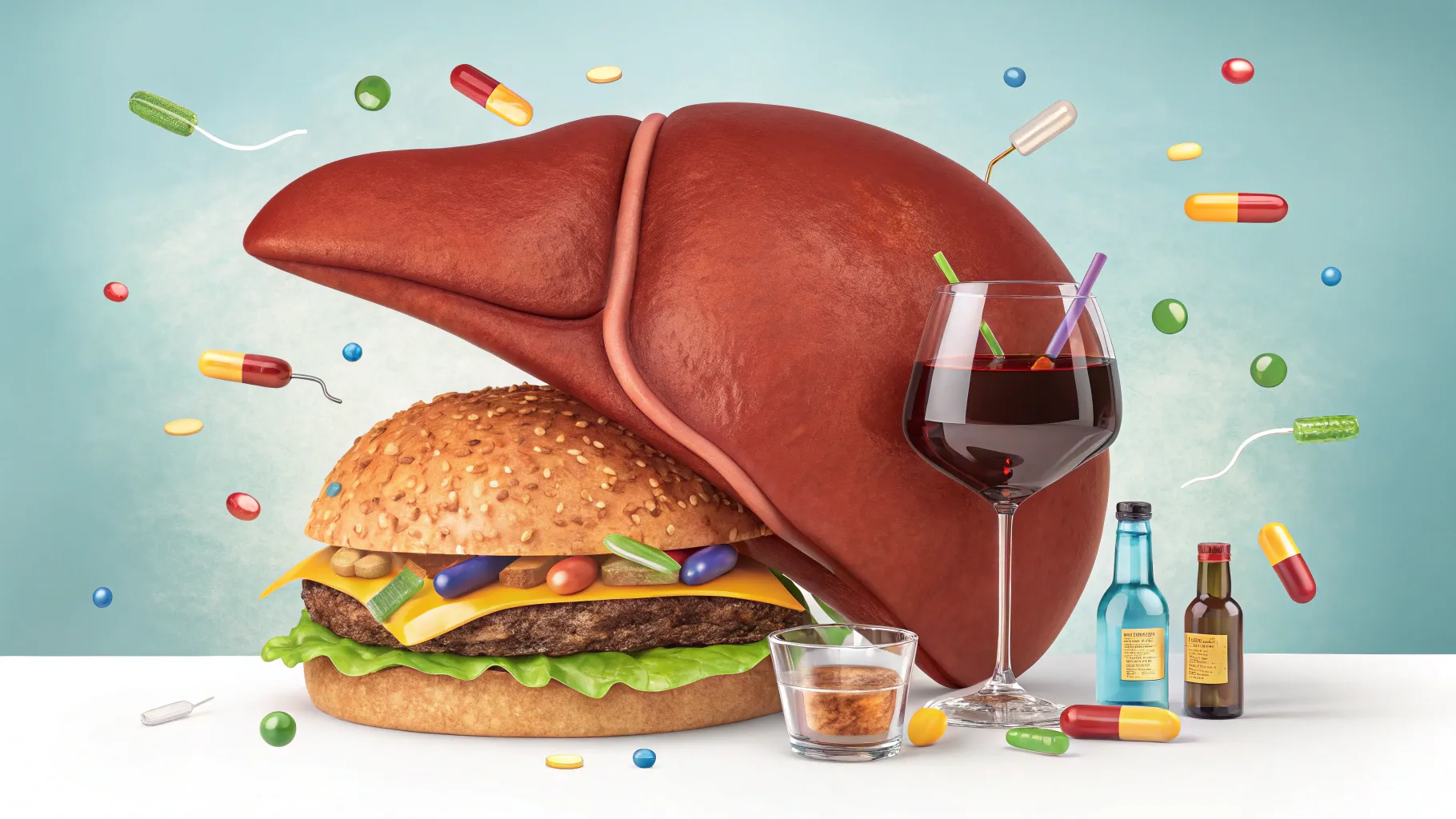
Understanding Common Liver Disease Triggers
The liver is often described as the body's powerhouse, performing critical functions ranging from metabolic regulation to detoxification. As our modern lifestyles evolve, it becomes increasingly vital to recognize the common liver disease triggers. Each year, millions are confronted with liver-related ailments, and being aware of their causes can play a significant role in preventing severe health consequences.
Liver Disease Causes and Contributing Factors
A myriad of factors can impact liver health, making it vulnerable to various diseases. Here are some of the most prevalent triggers that individuals should be aware of:
- Alcohol Consumption: While some may enjoy alcohol in moderation, excessive drinking is a direct culprit of liver disease. Recent statistics show that around 15% of adults in the U.S. engage in heavy drinking, which can lead to conditions such as alcoholic liver disease (ALD) and cirrhosis. This dilemma is especially concerning as many fail to recognize the long-term dangers associated with binge drinking, often thinking that they can control their intake.
- Obesity: The obesity epidemic continues to rise, with approximately 42% of adults experiencing obesity as of 2025. This condition is closely linked to non-alcoholic fatty liver disease (NAFLD)—a leading cause of liver damage worldwide. Obesity not only contributes to fat accumulation in the liver but also fosters an environment ripe for inflammation and subsequent liver disorders.
- Viral Infections: Hepatitis viruses, mainly Hepatitis B and C, are significant contributors to liver disease. Current data indicates that about 320 million people globally live with chronic hepatitis B, while over 70 million are infected with hepatitis C. Often, these infections remain asymptomatic until severe liver damage has occurred, highlighting the importance of awareness and prevention.
- Medications and Toxins: Misuse of medications can wreak havoc on liver health. For instance, over-the-counter pain relievers like acetaminophen, when taken in excess, can lead to acute liver failure. Additionally, exposure to harmful chemicals and toxins—whether in the workplace or at home—can trigger liver problems, underscoring the need for caution in everyday environments.
- Genetic Factors: Certain genetic conditions, such as hemochromatosis, which causes iron overload, can increase the susceptibility to chronic liver disease. Understanding your family’s medical history can provide valuable insights into personal risks, emphasizing the need for regular medical consultations.
Signs of Liver Problems to Watch For
Recognizing the signs of potential liver trouble is essential for timely intervention. The symptoms can vary significantly, ranging from mild to severe and may include:
- Persistent fatigue and weakness
- Unexplained weight loss
- Jaundice, characterized by a yellowing of the skin and eyes
- Edema or swelling in the abdomen or legs
- Dark urine contrasted with pale stools
Experiencing any of these symptoms warrants a visit to a healthcare professional, as early detection can be lifesaving. Ignoring these warnings risks progression to more severe conditions.
Impact of Lifestyle Choices on Liver Health
Our daily lifestyle choices can dramatically impact liver health. Here are several pivotal decisions that can either bolster or undermine liver function:
- Diet: A diet high in sugars and saturated fats significantly heightens the risk of liver disease. Conversely, consuming a balanced diet rich in fruits, vegetables, whole grains, and lean proteins can support liver health. Foods such as spinach, nuts, and fatty fish have been shown to contain beneficial properties for liver function.
- Regular Exercise: Physical activity is paramount in reducing fatty deposits in the liver and enhancing general health. The CDC advises adults to engage in at least 150 minutes of moderate exercise per week, a recommendation that plays an essential role in combating obesity and promoting liver well-being.
- Hydration: Keeping well-hydrated assists in the detoxification processes of the liver. Aim for 8-10 glasses of water each day to ensure your liver continues to function effectively, flushing out toxins and maintaining overall health.
Even small improvements in lifestyle choices can make significant strides in enhancing liver health over time.
What Causes Liver Problems in the Long Term?
Chronic stress on the liver from various triggers can exponentially increase the risk of long-term conditions. Diseases such as cirrhosis, liver cancer, and liver failure often arise following prolonged exposure to these risk factors. Notably, studies over the last six months have highlighted that untreated chronic hepatitis C infections can lead to a 20% chance of developing cirrhosis or liver cancer within a span of 20 to 30 years.
Furthermore, the issue of "silent liver damage" merits attention. Many liver diseases progress without presenting symptoms until they reach advanced stages, reaffirming the necessity for regular health check-ups and monitoring liver function through routine blood tests.
Protecting Your Liver Health
Understanding the risks associated with liver health is merely the first step. Actively safeguarding your liver can secure a healthier tomorrow. Here are strategies you can implement:
- Limit Alcohol: If you choose to consume alcohol, moderation is key. The CDC suggests not exceeding one drink per day for women and two for men as a safe guideline.
- Get Vaccinated: Vaccination against hepatitis A and B serves as a critical preventive measure against viruses that pose formidable risks to liver health.
- Schedule Regular Check-ups: Routine medical evaluations allow for early detection of issues. Regular blood tests can assess liver function and reveal any potential damage, facilitating prompt intervention.
In light of the growing awareness regarding the common liver disease triggers, individuals are encouraged to make informed decisions that promote healthier lifestyles. By recognizing these influential factors and proactively adjusting daily habits, we can significantly bolster our liver health and overall wellness.