Liver Cirrhosis: Understanding Causes, Symptoms, and Treatment
Facts:
- Liver cirrhosis is the 12th leading cause of death globally.
- Awareness of NAFLD is a growing trend for those at risk.
Understanding the Progression of End-Stage Liver Disease
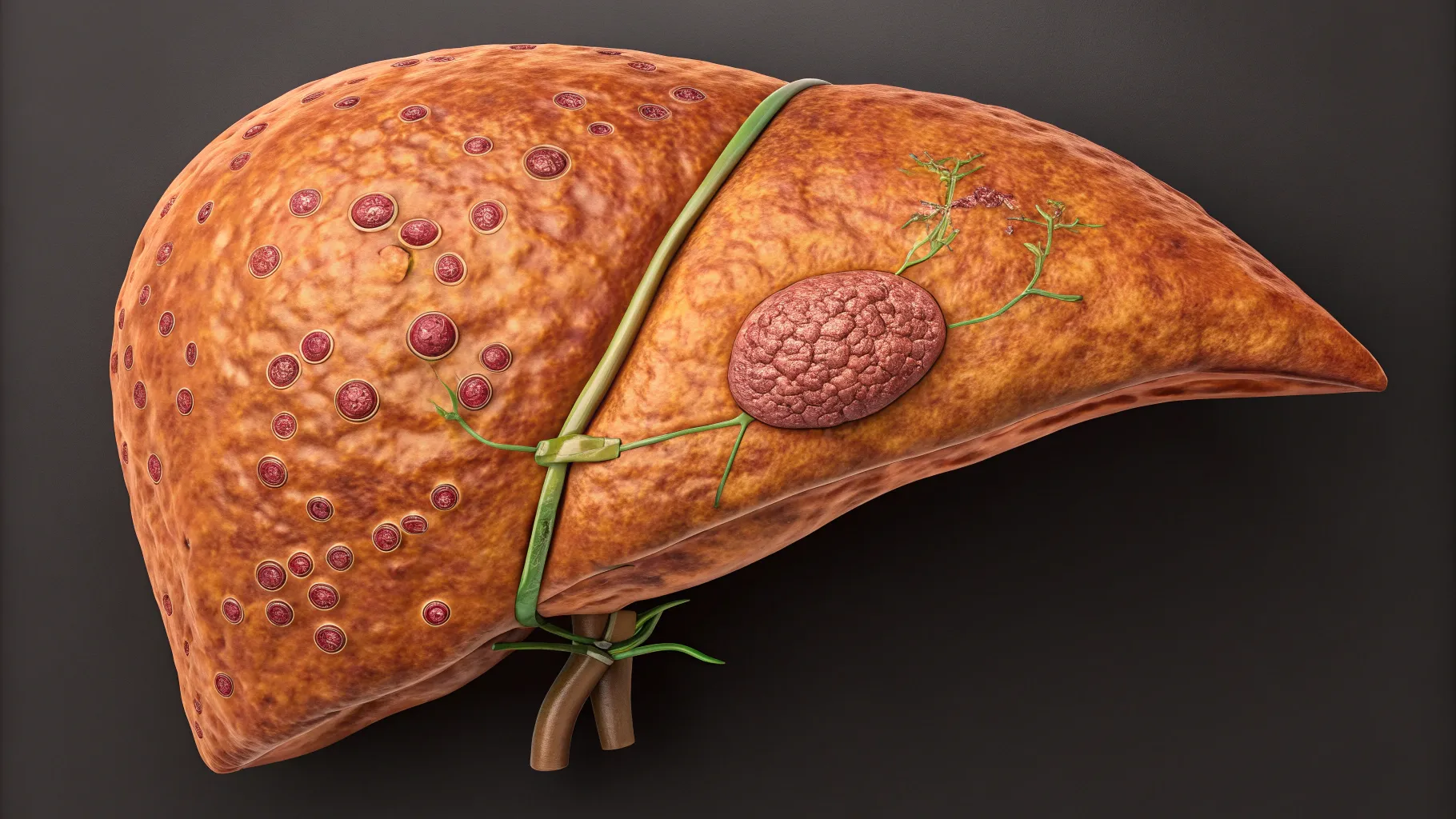
Liver cirrhosis represents the late stage of scarring (fibrosis) of the liver caused by various liver diseases and conditions, such as hepatitis and chronic alcoholism. Each time your liver is injured, it tries to repair itself, forming scar tissue in the process. As cirrhosis progresses, more and more scar tissue forms, making it difficult for the liver to function. This decompensated cirrhosis can be life-threatening. Understanding the early signs of liver cirrhosis is crucial for timely intervention and management, which can significantly improve outcomes and quality of life for affected individuals.
What are the Primary Liver Cirrhosis Causes?
The development of liver cirrhosis does not happen overnight. It is the result of long-term, continuous damage to the liver. There are many potential liver cirrhosis causes, and sometimes more than one cause is present in the same individual. The most common causes in developed countries are chronic alcohol consumption and hepatitis C. Chronic viral hepatitis (types B, C, and D) leads to inflammation that, over decades, can cause extensive scarring. Another rapidly growing cause is Non-alcoholic fatty liver disease (NAFLD) and its more severe form, nonalcoholic steatohepatitis (NASH), which are linked to obesity, high blood pressure, and diabetes. Other less common liver cirrhosis causes include autoimmune diseases like autoimmune hepatitis, primary biliary cholangitis, genetic disorders such as Wilson's disease and hemochromatosis, and prolonged exposure to certain toxins or drugs.
Recognizing the Common Liver Cirrhosis Symptoms
In the early stages, liver cirrhosis often has no signs or symptoms. As liver function deteriorates, a wide range of issues can emerge. The liver cirrhosis symptoms can be subtle at first but become more pronounced as the disease progresses. Early signs of liver cirrhosis may include fatigue, weakness, loss of appetite, nausea, and unexplained weight loss. As the scarring worsens and impedes liver function, more severe liver cirrhosis symptoms appear. These can include yellow discoloration in the skin and eyes (jaundice), fluid accumulation in the abdomen (ascites) and legs (edema), easy bruising and bleeding, confusion or difficulty thinking (hepatic encephalopathy), and itching skin (pruritus). It is vital to consult a healthcare provider if you experience any of these persistent signs.
Navigating Liver Cirrhosis Treatment Options
The primary goal of liver cirrhosis treatment is to slow the progression of scar tissue in the liver and to prevent or treat the symptoms and complications of the disease. The specific liver cirrhosis treatment depends heavily on the underlying cause and the extent of the liver damage. For instance, if the cause is alcohol abuse, complete cessation is the most critical step. For cirrhosis caused by viral hepatitis, antiviral medications may be prescribed. In cases of autoimmune hepatitis, steroids or other immune-suppressing drugs might be used. Managing complications is also a key part of the liver cirrhosis treatment plan. This can involve medications to control fluid buildup, reduce blood pressure in the veins supplying the liver (portal hypertension), and manage toxins in the brain. In cases of advanced or end-stage liver cirrhosis, where the liver has ceased to function, a liver transplant may be the only option.
Actionable Lifestyle Strategies for Managing Liver Cirrhosis
Beyond medical interventions, lifestyle adjustments are fundamental to managing liver cirrhosis and improving overall health. These changes can help protect remaining liver function and prevent further damage. Adopting a healthier lifestyle is a cornerstone of any comprehensive management plan. Here are some key strategies:
- Eliminate Alcohol: If your cirrhosis is caused by alcohol, you must stop drinking completely. Even if alcohol is not the primary cause, it is advisable to avoid it as it puts additional strain on the liver.
- Adopt a Low-Sodium Diet: To control fluid retention (ascites and edema), which is a common symptom, reducing sodium intake is crucial. This means avoiding processed foods, canned soups, and excessive salt.
- Ensure Proper Nutrition: Malnutrition is common with liver cirrhosis. A balanced diet rich in nutrients is essential. A doctor or dietitian may recommend a specific plan, which might include protein supplements, to prevent muscle wasting.
- Get Vaccinated: People with liver cirrhosis are more susceptible to infections. It's important to stay up-to-date on vaccinations for influenza, pneumonia, and hepatitis A and B to protect your health.
- Use Caution with Medications: The liver processes most medications, so it's vital to talk to your doctor before taking any new prescription drugs, over-the-counter medications, or supplements, as some can be harmful to the liver.
Frequently Asked Questions
Can liver cirrhosis be reversed?
In its advanced stages, liver cirrhosis is generally not reversible. However, if diagnosed early and the underlying cause is effectively treated, further damage can be stopped, and in some cases, the liver's scarring may partially improve over time. The key is early detection and consistent management.
What are the first signs of liver cirrhosis?
The very first signs of liver cirrhosis are often silent or non-specific, such as feeling tired, weak, or nauseous. Many people do not experience noticeable symptoms until significant liver damage has already occurred, which is why understanding risk factors and the primary liver cirrhosis causes is so important.
How does diet affect liver cirrhosis treatment?
Diet is a critical component of liver cirrhosis treatment. A low-sodium diet helps manage fluid buildup, while adequate protein intake is necessary to prevent malnutrition and muscle loss. Avoiding alcohol and raw shellfish is also essential to prevent complications.
Is liver cirrhosis always fatal?
While liver cirrhosis is a serious and potentially life-threatening condition, it is not always immediately fatal. With proper management, treatment of the underlying cause, and a healthy lifestyle, many people can live for many years. A liver transplant can be a life-saving option for those with end-stage liver failure.
References
- Global Burden of Disease Study Collaborators.
- American Liver Foundation Guidelines.
- National Institute on Alcohol Abuse and Alcoholism (NIAAA).
- World Gastroenterology Organisation Global Guidelines.