Understanding Liver Cirrhosis Causes Symptoms and Treatment
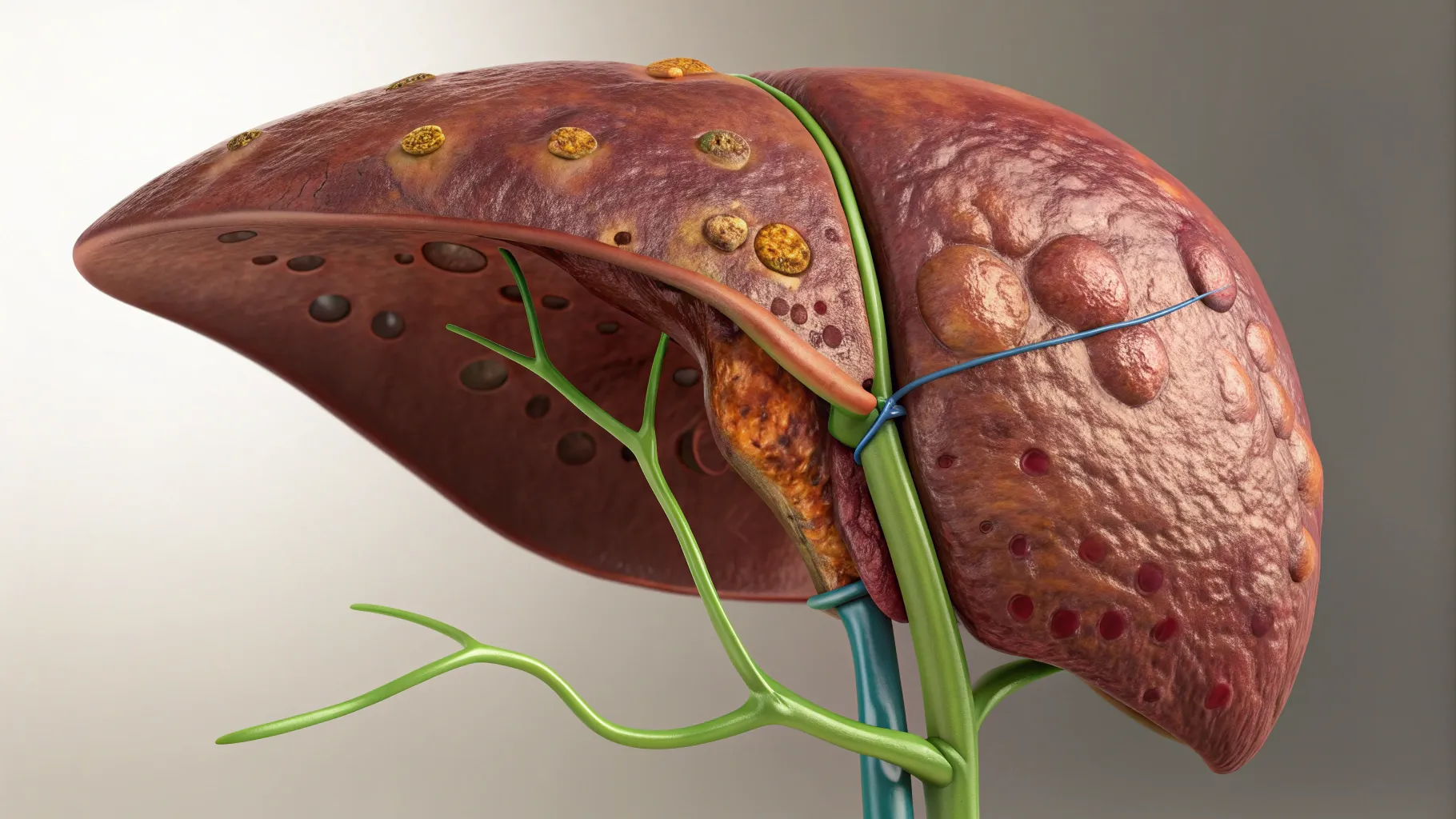
Understanding Liver Cirrhosis in 2025
Liver cirrhosis, a severe liver condition, has become a focal point in global health discussions. As of now, approximately 2% of adults worldwide are grappling with this acute ailment, highlighting the importance of comprehension and awareness surrounding it. The liver serves as a crucial organ for detoxification, bile production, and nutrient processing. Hence, unraveling the complexities of liver cirrhosis—including its causes, symptoms, and potential treatments—is vital for fostering better community health.
Cirrhosis is characterized by extensive scarring, or fibrosis, which emerges as liver cells sustain damage and are replaced by scar tissue. This transition often culminates in liver failure, underscoring the necessity for vigilance regarding various causative factors, early symptom recognition, and available treatment pathways.
Causes of Liver Cirrhosis
Understanding what triggers liver cirrhosis is essential for prevention and early intervention. The causes can range from lifestyle choices to genetic predispositions. Below, I outline the predominant factors contributing to this liver disease:
- Chronic Alcohol Abuse: One of the leading culprits of liver cirrhosis is excessive alcohol consumption. Studies indicate that nearly 43% of cirrhosis cases stem from alcohol-related liver diseases. Continuous heavy drinking can irreparably damage the liver, leading to conditions such as alcoholic fatty liver and cirrhosis.
- Chronic Viral Hepatitis: Infections such as Hepatitis B and C are significant contributors to liver inflammation and long-term damage. Over the past six months, research indicates that about 57% of cirrhosis cases globally can be traced back to these viral infections, revealing the ongoing public health concern around hepatitis.
- Non-alcoholic Fatty Liver Disease (NAFLD): As obesity rates continue to rise, NAFLD has become increasingly prevalent, now affecting nearly 25% of adults. This condition involves excessive fat accumulation in the liver, which, if unmanaged, can lead to cirrhosis.
- Autoimmune Hepatitis: This disorder occurs when the immune system mistakenly attacks liver cells, leading to inflammation and damage. Without adequate treatment, autoimmune hepatitis can evolve into cirrhosis over time.
- Genetic Disorders: Genetic factors can also predispose individuals to liver cirrhosis. Conditions like hemochromatosis—which leads to excessive iron accumulation—and Wilson’s disease, where copper builds up in the liver, are notable examples. Family health history assessments can help in recognizing these risks.
Additional contributors to liver damage can include certain medications, such as methotrexate, and long-term exposure to environmental toxins. By familiarizing oneself with these factors, individuals can make informed lifestyle choices to reduce their risk of developing cirrhosis.
Signs of Liver Cirrhosis
Recognizing the signs and symptoms of liver cirrhosis can be a daunting task, particularly in the initial stages of the disease. Often, people do not experience noticeable symptoms until significant liver damage has occurred, making early detection more challenging. Listed below are some common symptoms that may indicate liver cirrhosis:
- Fatigue and Weakness: One of the earliest warning signs reported by individuals with cirrhosis is chronic fatigue. This persistent tiredness may become progressively debilitating.
- Jaundice: A yellowing of the skin and eyes indicates a decline in the liver's ability to process bilirubin correctly, a sign that signals advanced liver dysfunction.
- Swelling: Many patients notice fluid accumulation in the abdomen known as ascites, or swelling in their legs due to increased pressure in the blood vessels within the liver.
- Itchy Skin: Elevated bile acids in the bloodstream can lead to severe itching, often without any visible rash, making it a perplexing side effect of liver issues.
- Changes in Urine and Stool Color: Individuals may observe dark urine coupled with pale stools, both indicative of liver dysfunction and a potential sign of cirrhosis.
- Bruising Easily: As liver function deteriorates, its ability to produce critical proteins essential for blood clotting diminishes, leading to increased susceptibility to bruising and bleeding.
Being equipped to recognize these symptoms can have profound implications for the early management of the disease, urging individuals to seek medical advice promptly.
Treatment Options for Liver Cirrhosis
While liver cirrhosis is irreversible, various management strategies can effectively slow down or halt its progression. The treatment plan is tailored according to the underlying cause of liver damage:
- Medications: If chronic viral hepatitis is the trigger, healthcare providers may prescribe antiviral medications to manage the condition. In the case of autoimmune hepatitis, immunosuppressive drugs may be employed to reduce liver inflammation.
- Lifestyle Modifications: A balanced diet, reduced alcohol intake, and maintaining a healthy weight significantly contribute to managing cirrhosis. Regular physical activity can improve overall liver health, especially for individuals struggling with NAFLD.
- Monitoring Symptoms: Regular visits to healthcare professionals enable close monitoring of liver function, allowing for timely intervention in cases of complicated issues, such as variceal bleeding and fluid retention.
- Liver Transplantation: In instances where the liver sustains irreparable damage, transplant might be the only option. Currently, data reveals that over 20% of hepatic cirrhosis patients will undergo an evaluation for liver transplantation.
In light of continuous advancements in liver health management, treatment protocols are progressively improving. Patients today benefit from more refined therapies that not only manage liver cirrhosis but also enhance their quality of life.
In summary, while liver cirrhosis poses considerable challenges, being informed about its causes, recognizing the symptoms, and exploring effective treatment options can lead to favorable health outcomes. By prioritizing liver health and overall well-being, individuals can navigate the complexities of this condition more effectively and empower themselves with the knowledge to take preventive measures.