Understanding Liver Cirrhosis Causes Symptoms and Treatment
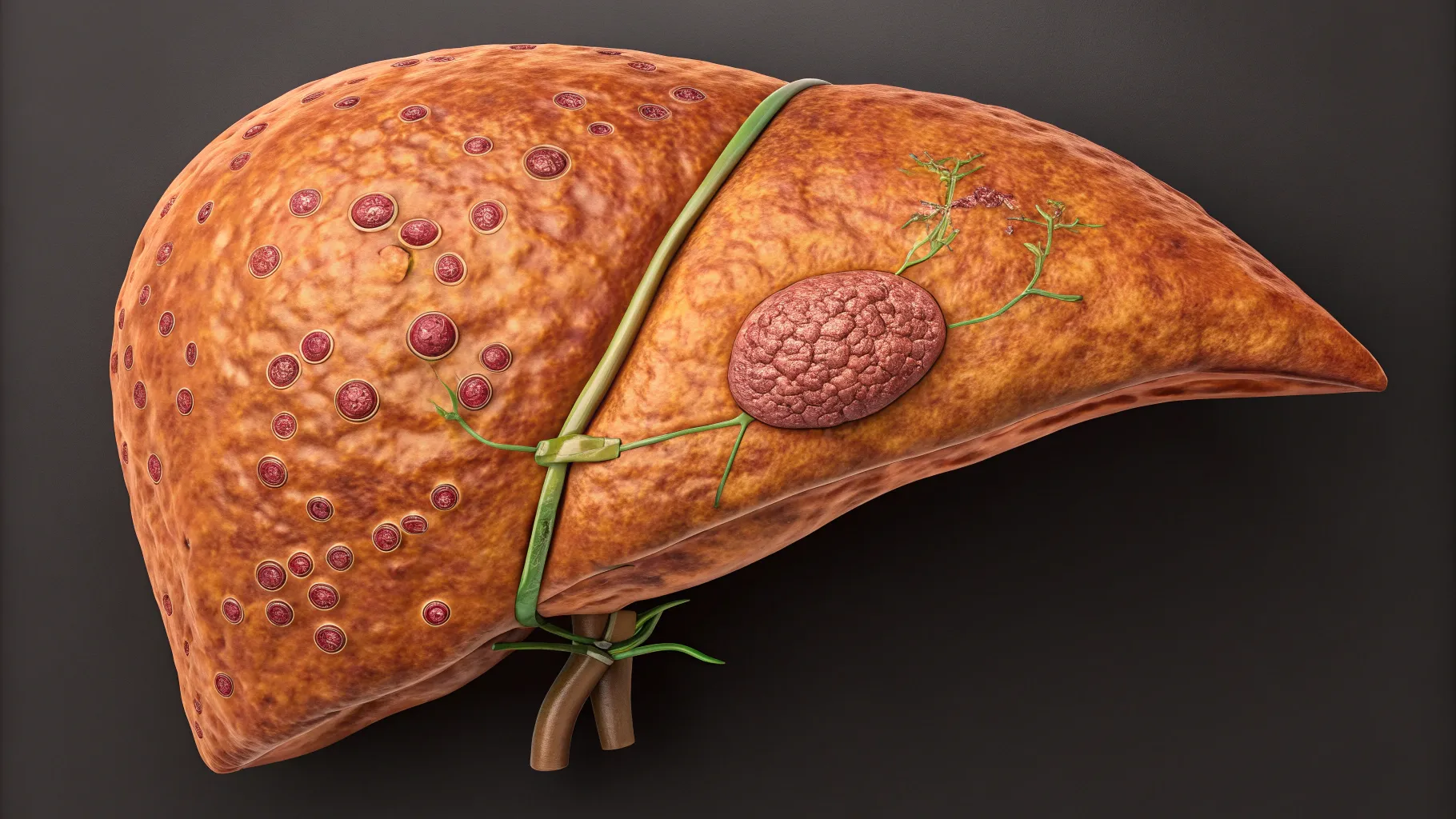
Liver Cirrhosis Understanding and Management in 2025
Liver cirrhosis is a pressing health issue that continues to affect countless individuals worldwide. As of 2025, there is a critical need for increased awareness about liver cirrhosis, including its causes, symptoms, and available treatments. With rates of diagnosis on the rise, understanding this condition is paramount to ensuring effective management and improved health outcomes.
Causes of Liver Cirrhosis
Cirrhosis develops as the liver reacts to long-term damage, culminating in severe scarring (fibrosis) and impaired liver function. The causes of liver cirrhosis can be summarized as follows:
- Chronic Alcohol Abuse: Alcoholic liver disease remains a prevalent contributor to cirrhosis. Data from 2025 indicates that approximately 44% of cirrhosis cases in developed nations result from excessive alcohol consumption. Awareness campaigns are helping to reduce this number by promoting responsible drinking.
- Viral Hepatitis: Hepatitis B and C infections are significant factors, responsible for about 29% of global cirrhosis cases. These infections tend to be chronic and can lead to serious liver damage if not treated effectively. Recent advancements in antiviral therapies have made significant strides in managing these infections.
- Non-Alcoholic Fatty Liver Disease (NAFLD): With the global obesity epidemic on the rise, NAFLD is becoming an increasingly important concern. It affects over 25% of the global population, with some estimates indicating that more than 9% of those may progress to cirrhosis. Public health initiatives are focusing on promoting healthy lifestyles to combat this issue.
- Autoimmune Conditions: Autoimmune hepatitis, where the immune system mistakenly attacks liver cells, accounts for around 5% of cirrhosis cases. This condition often requires long-term management and monitoring to mitigate liver damage.
- Genetic Disorders: Hereditary conditions such as hemochromatosis or Wilson's disease lead to abnormal metal accumulation within liver tissue, causing damage over time. These genetic factors are crucial in understanding the individual risks for cirrhosis.
Recognizing the Signs of Liver Cirrhosis
Identifying the symptoms of liver cirrhosis early can considerably affect treatment effectiveness. While symptoms may vary among individuals, many patients report experiencing:
- Fatigue: Often one of the first signs, chronic fatigue is prevalent among those with liver issues.
- Jaundice: A yellowness of the skin and eyes occurs when the liver cannot adequately process bilirubin, leading to its accumulation in the blood.
- Swelling: Accumulation of fluid in the abdomen (ascites) and extremities (edema) is a common manifestation of advanced liver dysfunction.
- Itchy Skin: Elevated bile salts can elicit widespread itching, which can be particularly bothersome.
- Easy Bruising: Impaired liver function affects the production of clotting factors, causing increased bruisability and prolonged bleeding from minor cuts.
- Cognitive Changes: The presence of liver encephalopathy may lead to confusion, forgetfulness, and changes in consciousness, which are critical to address promptly.
For those experiencing symptoms of liver cirrhosis, seeking medical advice as soon as possible can lead to better outcomes. Early intervention can make a significant difference in managing the condition and preventing further complications.
Treatment Approaches for Liver Cirrhosis
Managing cirrhosis effectively involves a comprehensive treatment plan tailored to the individual's specific needs, taking into account the underlying cause, severity, and any existing complications. As of 2025, numerous treatment options are available:
- Medication: Antiviral therapies for hepatitis B and C play a critical role in halting the progression to cirrhosis. Ongoing research into treatments for Non-Alcoholic Steatohepatitis (NASH) is promising, with several new medications showing potential in clinical trials.
- Lifestyle Changes: Complete abstinence from alcohol is crucial for individuals with alcohol-related cirrhosis. For those with NAFLD, adopting a balanced diet and engaging in regular exercise are vital strategies aimed at promoting liver health and reversing damage.
- Regular Monitoring: Patients are advised to attend regular follow-ups, including blood work and imaging, to track liver function and catch complications early. This vigilant approach helps medical professionals adjust treatment plans as needed.
- End-Stage Treatments: For patients facing end-stage liver disease, liver transplantation may be the only viable option. As of 2025, advancements in transplant techniques and an increase in donation rates have led to better success rates, making transplants more accessible.
- Symptomatic Treatment: Management strategies can include medications to alleviate symptoms, such as diuretics for fluid retention or cognitive enhancers for managing encephalopathy.
Besides traditional medical treatments, educational initiatives are crucial in raising awareness about liver health. Community programs are urging individuals to undergo regular screenings, particularly for those at higher risk, such as individuals with a history of alcohol abuse or obesity.
The emotional and psychological impact of being diagnosed with liver cirrhosis cannot be overstated. Therefore, support systems involving healthcare providers, mental health counseling, and peer support groups are invaluable. Patients often find that connecting with others undergoing similar experiences can be immensely helpful in coping with the stress of chronic illness.
Moreover, as we advance towards a more digital healthcare era, technologies such as artificial intelligence are starting to play a significant role in liver disease management. These innovations enhance diagnostic capabilities and personalize treatment plans, improving the overall monitoring of liver health. Clinicians can now utilize advanced imaging technologies, enabling more accurate assessments of liver condition and significantly influencing treatment decisions.
With liver cirrhosis remaining a critical health concern in 2025, comprehensive understanding and proactive management of its risks and symptoms are essential. By staying informed and vigilant about liver health, individuals can adopt healthier lifestyles that promote longevity and quality of life.