Understanding Common Triggers of Leaky Heart Valves
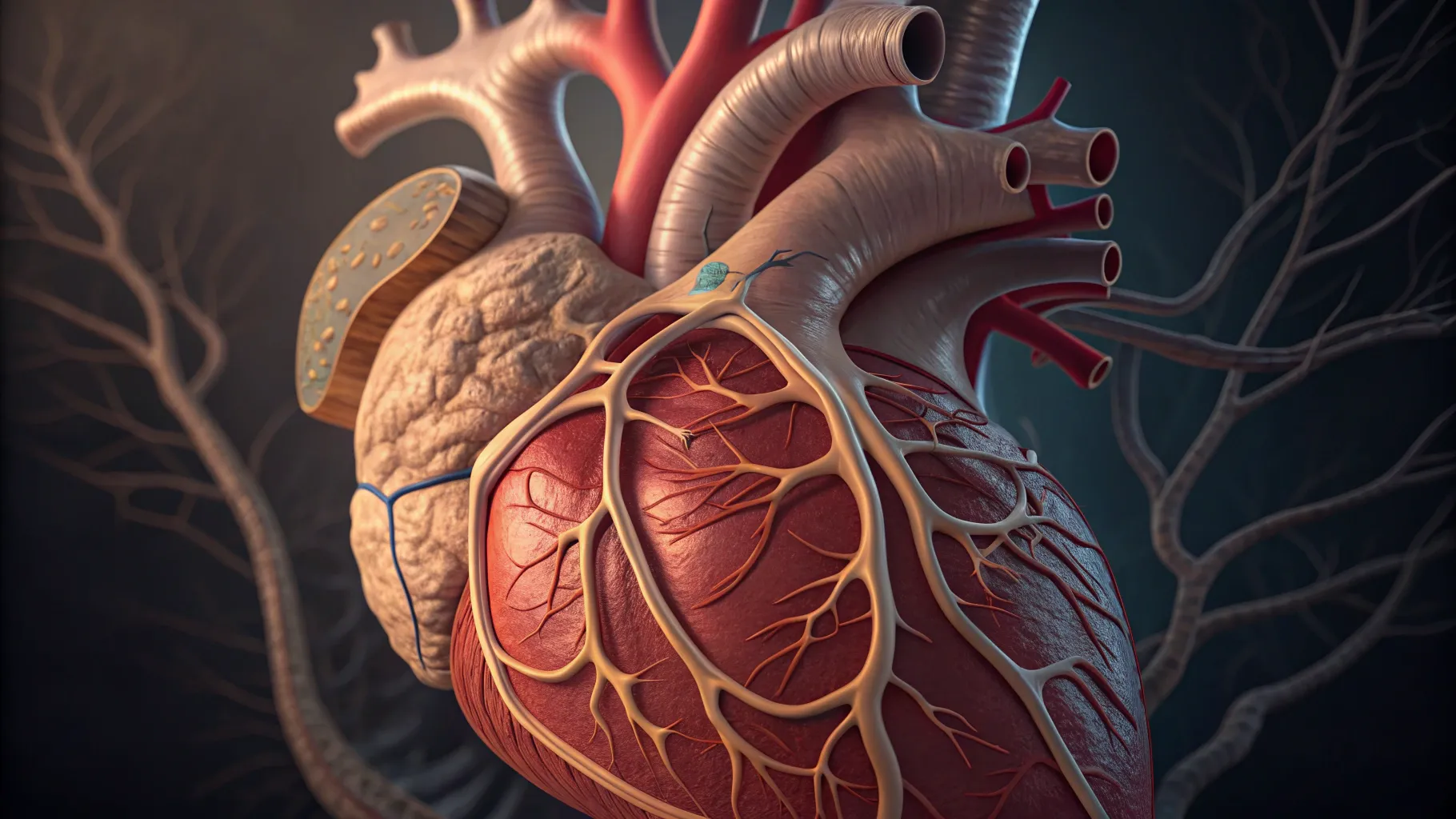
Understanding Common Leaky Heart Valve Triggers
Leaky heart valves, also known as valve regurgitation, are a significant concern for cardiac health, affecting millions of individuals worldwide. Valve regurgitation occurs when the heart valves do not close properly, allowing some blood to flow backward. This condition can put a strain on the heart and may lead to serious health issues if not monitored and managed appropriately. Understanding the common triggers and causes of a leaky heart valve can empower individuals to make informed decisions about their health.
Common Causes and Triggers of Leaky Heart Valves
Several factors contribute to the development of a leaky heart valve, and it is essential to identify these to manage the condition effectively. Recent studies have presented some insightful statistics and information regarding common causes:
- Aging: One of the leading causes of a leaky heart valve is aging. As individuals grow older, their heart valves can become thicker and stiffer. According to a 2025 report by the American Heart Association, over 5 million adults aged 65 and over are affected by some degree of valve disease.
- Heart Conditions: Existing heart conditions such as congenital heart defects, heart attacks, or rheumatic fever can increase the risk of developing valve regurgitation. Studies show that individuals with a history of these conditions are twice as likely to experience leaky valves compared to those without such histories.
- High Blood Pressure: Hypertension poses a significant risk to heart health and can lead to changes in valve structure and function. Reports indicate that untreated high blood pressure can contribute to a 30% increase in heart valve disorders, especially mitral valve regurgitation.
- Infections: Infectious endocarditis, an infection of the inner lining of the heart, can also damage heart valves. This serious condition has seen an uptick in cases over the last year, as more people are living with conditions that compromise their immune systems.
- Genetic Conditions: Genetic connective tissue disorders, like Marfan syndrome and Ehlers-Danlos syndrome, can affect the structure and function of heart valves. Individuals with these conditions often need regular monitoring for valve issues.
Understanding these triggers not only helps individuals to recognize the risks but also encourages proactive measures for maintaining cardiovascular health.
The Relationship Between Valve Regurgitation and Cardiac Health Risks
Leaky heart valves may seem like a small worry; however, they can lead to significant complications if left untreated. The repercussions of valve regurgitation on cardiac health are profound and far-reaching:
- Heart Enlargement: When valves leak, the heart often compensates by working harder to pump blood. This can lead to cardiomyopathy, where the heart muscle enlarges, impacting its ability to function.
- Heart Failure: Persistent pressure on the heart can gradually lead to heart failure. Recent studies showed that approximately 25% of individuals with severe heart valve regurgitation develop heart failure within five years of diagnosis if untreated.
- Atrial Fibrillation: A leaky valve can also predispose individuals to arrhythmias like atrial fibrillation, which can increase the risk of stroke and other serious health issues. An alarming statistic is that nearly 40% of patients with significant valve surgery also exhibit atrial fibrillation.
- Infection Risk: The structural changes resulting from valve regurgitation can make the heart more susceptible to infections, including endocarditis. Those experiencing symptoms like fever or a new heart murmur should seek medical attention immediately.
Recognizing these risks emphasizes the need for ongoing monitoring and care. Regular checkups with a healthcare provider can lead to timely interventions that greatly improve outcomes.
Monitoring and Managing Leaky Heart Valves
If you are diagnosed with a leaky heart valve, it is crucial to work closely with your healthcare professional to monitor the condition. Lifestyle modifications can significantly impact heart health:
- Diet and Nutrition: Consuming a heart-healthy diet that includes fruits, vegetables, whole grains, and lean proteins can help manage blood pressure and maintain a healthy weight.
- Regular Exercise: Engaging in regular physical activity helps strengthen the heart and improve cardiovascular health. Aim for at least 150 minutes of moderate exercise a week.
- Medication Compliance: For those already on medication to manage heart conditions or high blood pressure, adhering to prescribed treatment is essential for minimizing risks associated with leaky valves.
- Regular Check-Ups: Routine check-ups with a cardiologist can lead to early detection of complications associated with leaky valves, allowing for timely interventions.
As we move through 2025, the understanding of leaky heart valves continues to evolve, and ongoing research sheds light on new treatment options. Individuals are encouraged to engage with their healthcare providers to stay informed about their heart health and any necessary lifestyle modifications.
Overall, recognizing the common leaky heart valve triggers and understanding their implications on cardiac health can empower individuals to take charge of their wellbeing. With vigilant management and proactive care, many can lead fulfilling lives despite this condition.
In essence, awareness and education are key components in navigating the complexities associated with heart valve disorders.