Understanding Leaky Heart Valve Symptoms and Treatments
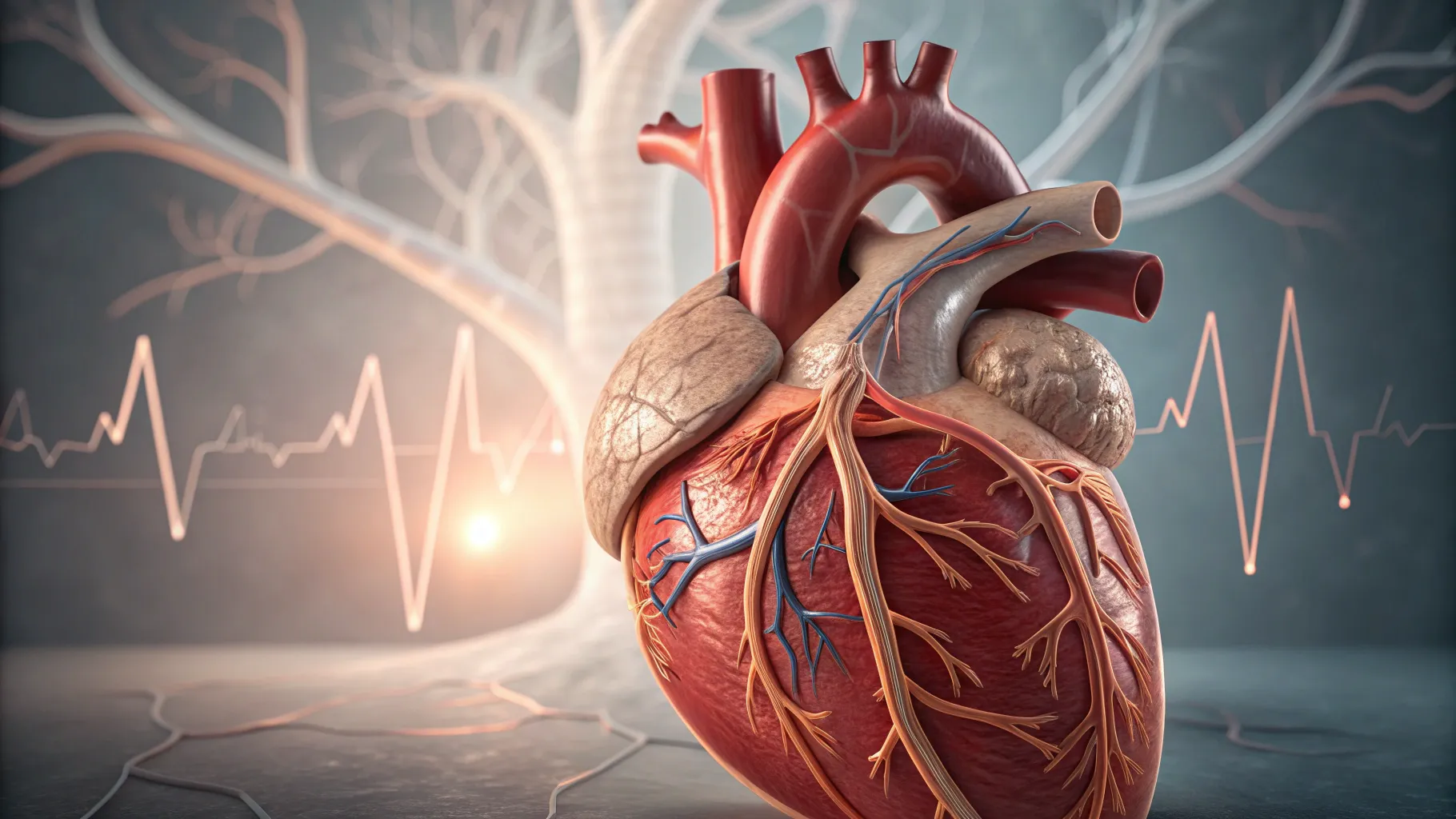
Understanding Leaky Heart and Valve Function
A leaky heart valve, or valve regurgitation, occurs when the heart valves do not close properly. This malfunction allows blood to flow backward instead of moving efficiently through the heart and into the arteries. The heart has four valves: the aortic, mitral, pulmonary, and tricuspid valves, each playing a crucial role in ensuring proper blood circulation throughout the body. Valve regurgitation can range from mild to severe and is a condition that affects many individuals, particularly as they age.
Causes of Leaky Heart Valve
The causes of a leaky heart valve can vary significantly. Some of the most common factors include:
- Age: As we grow older, our heart valves can weaken, contributing to regurgitation.
- Heart conditions: Conditions such as heart attacks, cardiomyopathy, or congenital heart defects can directly impact valve function.
- Infections: Endocarditis, an infection of the heart lining and valves, can damage the valves, leading to leakage.
- Rheumatic fever: This complication of untreated strep throat can lead to serious heart issues including valve damage.
- Calcification: Buildup of calcium deposits can stiffen the valve and prevent it from closing properly.
UUnderstanding these causes is essential for evaluating the risk factors associated with leaky heart valves. While some factors are inherent and age-related, such as natural wear and tear on the valves, others may be mitigated through lifestyle adjustments and medical interventions.
How Serious is a Leaky Heart Valve?
The seriousness of a leaky heart valve largely depends on the severity of the regurgitation and how well the heart compensates for the leakage. Many individuals live with mild regurgitation without significant symptoms or complications. However, moderate to severe cases can lead to serious health issues.
According to recent research published in early 2025, approximately 10% of the global population experiences some form of valve regurgitation, with increasing prevalence noted among those aged 70 and older. Some of the potential complications of untreated severe valve leakage include:
- Heart Failure: As the heart struggles to pump blood effectively, it can lead to heart failure, which is a critical condition that requires immediate medical attention.
- Atrial Fibrillation: This irregular heartbeat can occur as a result of the heart's attempt to adapt to increased volume load due to regurgitation.
- Pulmonary Hypertension: Elevated pressure in the pulmonary arteries can lead to breathlessness and fatigue, further complicating health outcomes.
Symptoms vary widely among individuals. Some may experience fatigue or shortness of breath during physical activity, while others may have more severe symptoms such as chest pain or arrhythmias. Recognizing these signs can support early diagnosis and medical evaluation.
Leaky Heart Valve Symptoms
Symptoms of a leaky heart valve often develop gradually and may not be noticeable at first. However, certain signs can indicate that a person should seek medical evaluation. Common symptoms include:
- Fatigue: A decreased ability to perform daily activities can result from the heart's compromised function.
- Shortness of breath: This typically occurs during exertion but can also happen at rest in advanced conditions.
- Swelling in the legs or ankles: This can be a sign of heart failure due to valve dysfunction.
- Irregular heartbeats: A racing or fluttering sensation in the chest may be noticed, particularly during physical activity or excitement.
- Chest discomfort: While not always present, some individuals report sensations of pressure or pain resembling angina.
Prompt consultation with a healthcare provider is recommended for proper assessment and management.
Leaky Heart Valve Treatment
Treatment for leaky heart valve primarily depends on the severity of the condition and the presence of symptoms. In mild cases, doctors may recommend regular monitoring and lifestyle changes, including a heart-healthy diet and regular exercise. This approach helps to alleviate symptoms and improve overall heart health. Recent studies have indicated that lifestyle modifications can reduce complications by up to 30% for those with a leaky heart valve.
For more severe cases, treatment options may include:
- Medications: Diuretics, beta-blockers, and anticoagulants may be prescribed to manage symptoms and reduce the risk of complications.
- Repair or replacement: Depending on the specific valve and the degree of leakage, surgical interventions may be necessary. In 2025, minimally invasive techniques are increasingly used for valve repair or replacement, significantly reducing recovery time and risk of complications.
- Follow-up care: Continuous monitoring through regular check-ups is vital to ensure that any changes in the condition are addressed promptly.
Appropriate medical management can improve patient outcomes and help maintain cardiovascular health. Collaboration with healthcare professionals is essential to determine the most suitable treatment strategy.
Awareness of leaky heart valves and understanding their effects on the circulatory system is important, particularly as the number of affected individuals rises. Educational awareness, routine check-ups, and consultation with healthcare providers are key for maintaining heart health and managing potential complications efficiently.