Understanding Hypothyroidism Signs Causes and Treatments
What is Hypothyroidism?
Hypothyroidism, a condition in which the thyroid gland does not produce sufficient thyroid hormones, affects millions of people worldwide. This condition can lead to a range of health issues, including fatigue, weight gain, depression, and even heart disease. In 2025, health professionals estimate that approximately 10% of women suffer from hypothyroidism, making awareness and early diagnosis crucial for effective management.
Early Warning Signs of Hypothyroidism in Women
Recognizing the early warning signs of hypothyroidism can lead to timely intervention and treatment. Here are some of the most common early symptoms in women:
- Fatigue: One of the most prevalent symptoms, fatigue can differ from normal tiredness, manifesting as an overwhelming sense of lethargy.
- Weight Gain: Unexplained weight gain, often despite a normal diet and exercise routine, is a common indicator.
- Cold Intolerance: Increased sensitivity to cold, finding it hard to stay warm, particularly in lower temperatures.
- Dry Skin and Hair: Noticeable changes in skin texture and hair thinning or loss, as well as brittle nails.
- Depression: A decline in mood or mental health, which can be distressing and debilitating if left unaddressed.
If you notice these symptoms, especially in combination, it’s essential to consult a healthcare professional for evaluation and potential blood tests to check thyroid hormone levels.
Common Causes of Hypothyroidism
There are several factors that can lead to the development of hypothyroidism:
- Autoimmune Disease: Hashimoto's thyroiditis, an autoimmune disorder, is the most common cause, where the immune system attacks the thyroid gland.
- Radiation Therapy: Treatments for cancers of the head and neck can impact thyroid function, leading to hypothyroidism.
- Surgery: Surgical removal of part or all of the thyroid gland can result in insufficient hormone production.
- Iodine Deficiency: Although rare in developed countries, a lack of iodine can lead to hypothyroidism. Iodine is crucial for the production of thyroid hormones.
- Medications: Certain medications, like lithium or amiodarone, can interfere with thyroid hormone production.
With these various causes, pinpointing hypothyroidism’s origin is essential for tailored treatments.
Supplements for Hypothyroidism Support
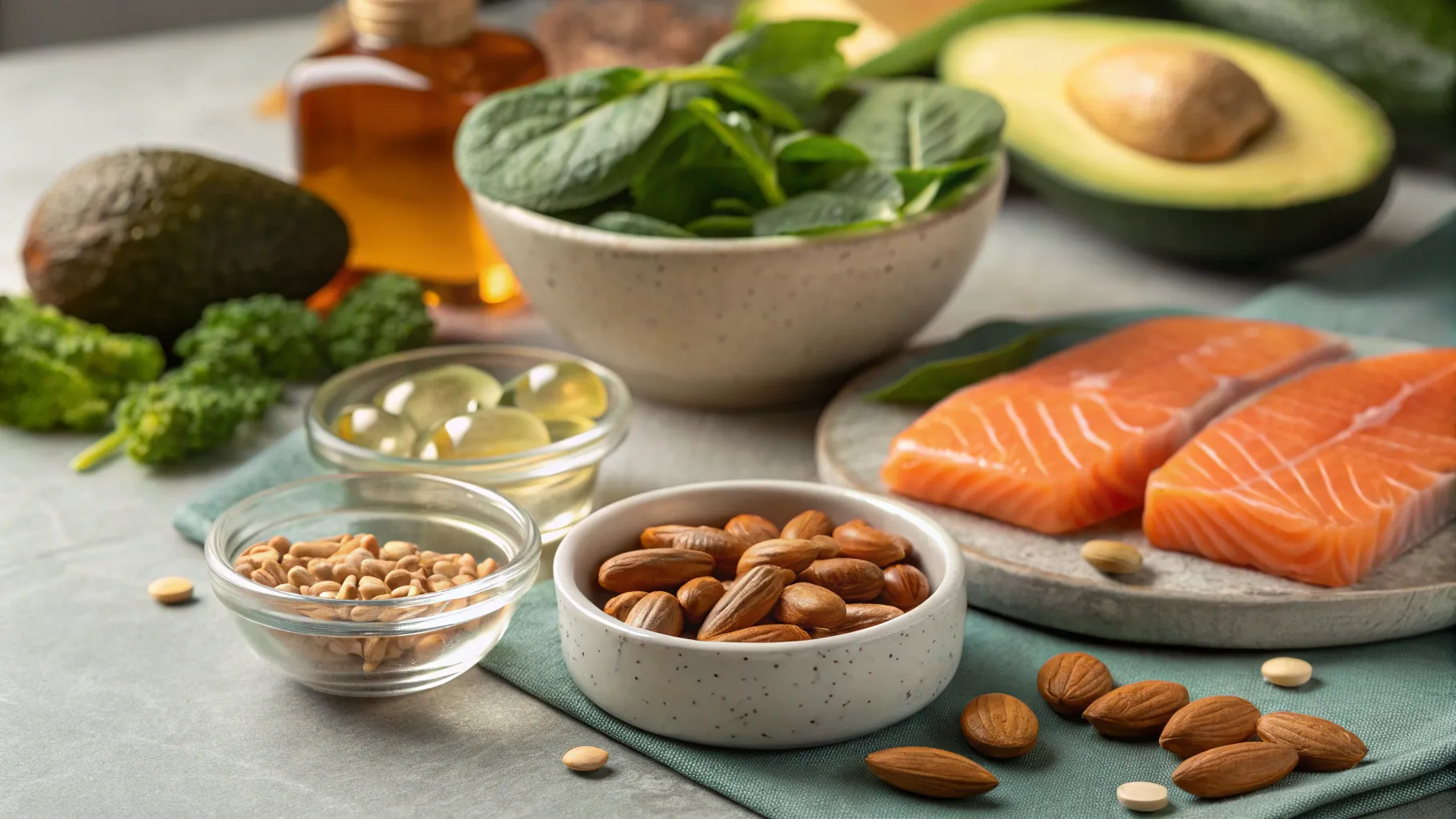
Many individuals seek natural supplements to support thyroid health and mitigate symptoms of hypothyroidism. While consulting with a healthcare provider is essential before starting any new supplement regimen, some commonly recommended supplements include:
- Selenium: This trace mineral plays a role in hormone production and metabolism of thyroid hormones.
- Zinc: An important mineral that can enhance the immune system and may improve thyroid hormone synthesis.
- Vitamin D: Low levels of vitamin D have been linked to autoimmune thyroid diseases.
- Omega-3 Fatty Acids: Found in fish oil, these fatty acids can reduce inflammation and may support overall thyroid function.
Some studies from the last year indicate that these supplements can have beneficial effects on thyroid health and may even improve symptoms in those with hypothyroidism.
Hypothyroidism Treatment Programs
Treatment for hypothyroidism typically involves hormone replacement therapy, often through synthetic thyroxine (T4). This medication compensates for the low hormone levels and helps restore metabolic balance. In 2025, many healthcare providers offer personalized treatment plans that consider an individual's specific symptoms, lifestyle, and medical history. It’s crucial to have regular follow-ups to monitor thyroid hormone levels and adjust medication dosage as necessary.
Additionally, people are increasingly looking for holistic approaches to managing hypothyroidism. Incorporating therapies such as yoga and stress management techniques can help improve quality of life for those living with this condition. Incorporating these practices into daily routines can bolster mental well-being and potentially enhance physical health as well.
Foods to Avoid with Hypothyroidism
Your diet plays a critical role in managing hypothyroidism. Certain foods can hinder thyroid function or interfere with hormone production. Here are some items to reduce or avoid:
- Cruciferous Vegetables: Vegetables like broccoli, cabbage, and kale can decrease thyroid function when consumed raw in large quantities, primarily because they contain goitrogens.
- Processed Foods: Typically high in sugar and unhealthy fats, processed foods can severely affect overall health and worsen hypothyroid symptoms.
- Gluten: Some individuals with autoimmune thyroid conditions may benefit from a gluten-free diet as gluten can exacerbate inflammation.
- Soy Products: Soy can interfere with thyroid hormone absorption, especially in individuals already diagnosed with hypothyroidism.
Focusing on whole, nutrient-dense foods while being mindful about foods that can exacerbate symptoms is key to managing hypothyroidism effectively.
Natural Remedies for Hypothyroidism
In addition to medical treatment, many individuals investigate natural remedies that may help ease symptoms:
- Herbal Supplements: Herbs like ashwagandha and guggul are highlighted in holistic medicine for their supportive roles in thyroid health.
- Regular Exercise: Engaging in moderate physical activity can help combat fatigue and improve metabolic rate, positively affecting overall well-being.
- Meditation and Mindfulness: These practices can help reduce stress, which is beneficial since stress can negatively impact thyroid function.
While these remedies can support thyroid health, they should not replace traditional medical treatments but rather complement them. Always consult with a healthcare provider before starting any new treatment or supplement.