Understanding Hip Tendonitis Symptoms Causes and Treatments
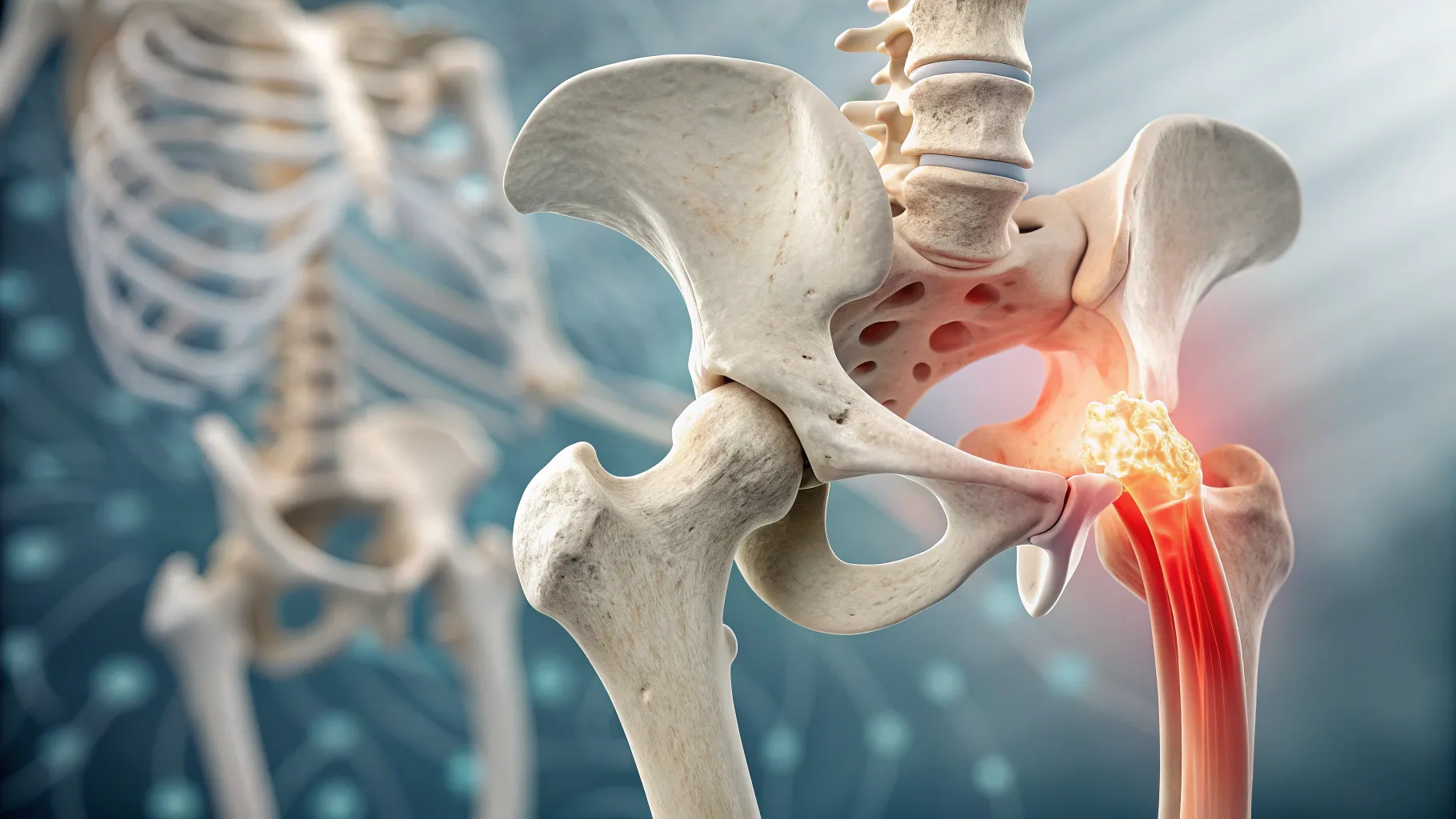
What is Hip Tendonitis
Hip tendonitis, also known as hip tendon inflammation, occurs when the tendons - the strong, fibrous tissues that connect muscles to bones - in the hip joint become inflamed due to injury or overuse. This condition is especially common among active individuals and seniors alike. In 2025, statistics indicate that about 500,000 cases of hip tendonitis are diagnosed in the United States annually.
Typically affecting the areas around the gluteal tendons, iliopsoas, or the hip flexor, hip tendonitis can lead to significant discomfort and restrict mobility. It can be caused by repetitive strain from daily activities such as walking, running, or standing for extended periods. As we age, the wear and tear on our joints and tendons can exacerbate these issues, making it crucial to be aware of the causes and symptoms.
Common Symptoms of Hip Tendonitis
Identifying the symptoms of hip tendonitis early can help in managing the condition effectively. The most common symptoms reported by patients include:
- Pain in the hip or outer thigh: This is often the first noticeable symptom. Pain can range from a dull ache to sharp discomfort, especially during movement.
- Tenderness around the hip joint: The area around the hip may feel sore when touched.
- Stiffness: Reduced flexibility in the hip joint can occur, particularly after sitting for long periods.
- Swelling: There may be mild swelling around the hip joint.
- Difficulty with mobility: Performing daily activities such as climbing stairs or getting in and out of vehicles can become challenging.
The onset of these symptoms can vary; some individuals may feel a gradual increase in pain, while others might experience sudden discomfort following an intense workout or activity.
Causes of Hip Tendonitis in Seniors
Hip tendonitis is particularly prevalent among seniors for several reasons. With advancing age, the body undergoes various changes that affect the joints and muscles. Here are some of the primary causes of hip tendonitis in seniors:
- Degenerative changes: With time, tendons lose their elasticity and strength, becoming more prone to injury.
- Repetitive movements: Seniors who engage in regular activities like walking or gardening may inadvertently put too much stress on their tendons.
- Medical conditions: Conditions such as arthritis, diabetes, or obesity can contribute to joint pain and tenderness, making the hip tendons more susceptible to inflammation.
- Inadequate warm-up: Many seniors may skip proper warm-up routines before engaging in physical activity, increasing the risk of tendon strain.
These factors can combine, leading to persistent discomfort and significantly affecting one's quality of life. It is essential for seniors to take preventive measures such as engaging in gentle stretching and strength activities.
Hip Tendonitis Treatments
Treating hip tendonitis effectively often involves a multi-faceted approach that combines medication, therapy, and lifestyle adjustments. Here are some currently recommended treatment options for managing hip tendonitis:
- Rest: Giving the affected tendon time to heal is crucial. Individuals should avoid activities that trigger pain.
- Ice therapy: Applying ice packs can reduce inflammation and numb the pain, often recommended for 15-20 minutes at a time.
- Medication: Non-steroidal anti-inflammatory drugs (NSAIDs) such as ibuprofen can be used to alleviate pain and reduce swelling.
- Physical therapy: Consulting with a physical therapist for tailored exercises is vital. Therapists can work on strengthening the surrounding muscles while improving flexibility and range of motion.
- Corticosteroid injections: In some cases, doctors may recommend corticosteroid injections directly into the hip joint for severe inflammation.
Currently, treatment plans are individualized based on the severity of the condition and overall health of the patient. Many patients experience significant relief with these methods, allowing them to return to their daily activities.
Physical Therapy for Hip Tendonitis
Physical therapy plays a crucial role in the recovery process for individuals dealing with hip tendonitis. A skilled physical therapist will devise a comprehensive rehabilitation program tailored to the patient’s specific needs. Some typical components of physical therapy for hip tendonitis include:
- Strengthening exercises: Focusing on strengthening the hip and surrounding muscles can support the joint and alleviate pressure on the tendons.
- Stretching routines: Stretching exercises are vital to improve flexibility and reduce tightness in the hip area.
- Manual therapy: Techniques such as massage and manipulation can enhance circulation in the affected area and promote healing.
Studies show that patients who actively engage in physical therapy report a significant decrease in pain and improved functional mobility. For seniors, physical therapy is not just about healing; it’s about fostering a healthier lifestyle and reducing future risks of injury.
Hip tendonitis pain relief products
Relief from the discomfort associated with hip tendonitis can also be supplemented with various pain relief products. Some of the most popular and effective products currently on the market include:
- Compression wraps: These wraps provide support and reduce swelling around the hip joint.
- Topical analgesics: Creams and gels containing menthol or capsaicin can offer temporary pain relief when applied directly to the skin.
- Orthotic inserts: Customized footwear inserts can help redistribute pressure throughout the foot and hip, reducing stress on tendons.
The market is continually evolving, with new research leading to innovative treatment solutions for those suffering from conditions like hip tendonitis. Exploring options and consulting with healthcare providers can lead to effective pain management tactics.