Understanding Hip Bursitis Symptoms and Treatments
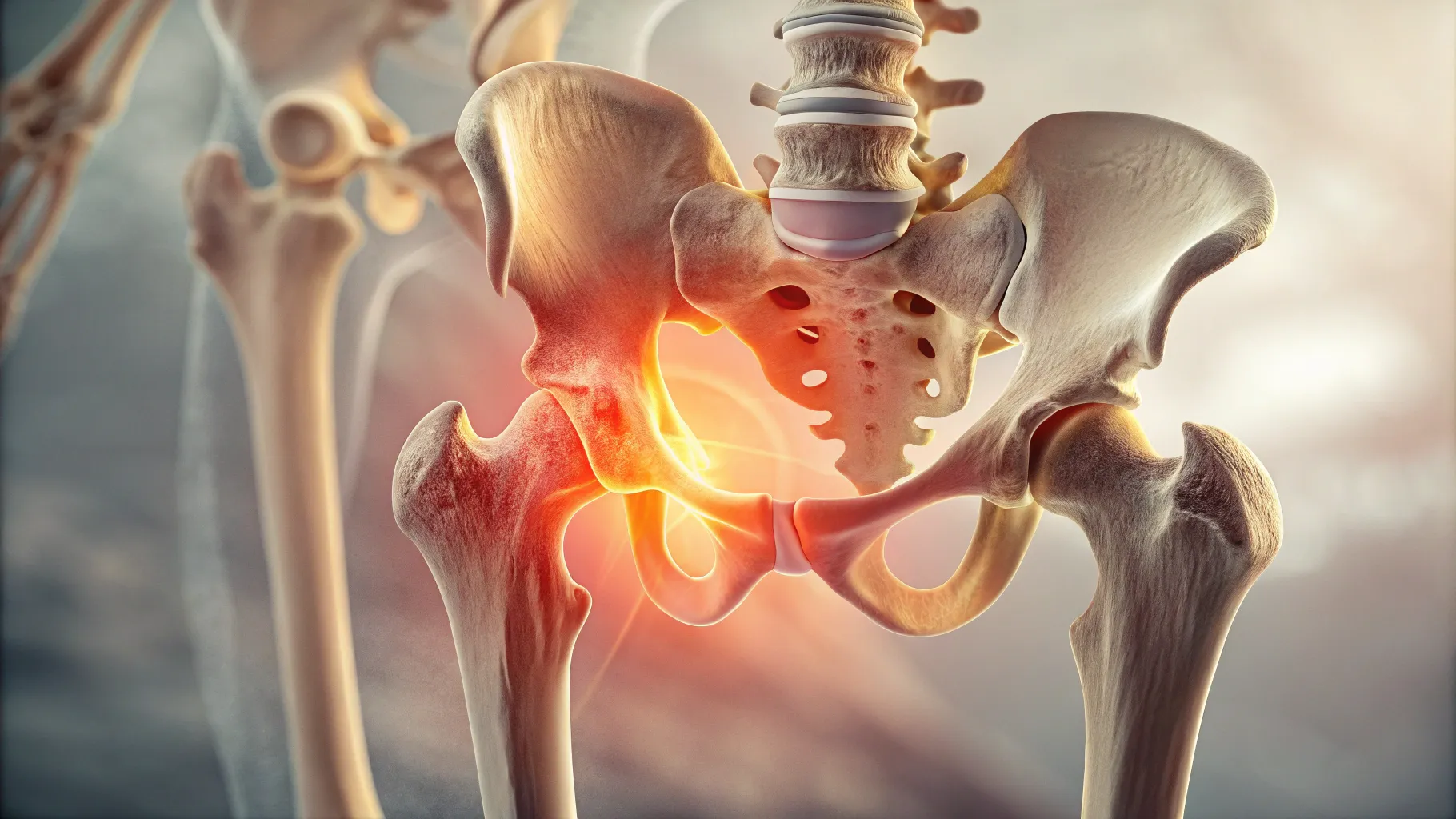
Understanding Hip Bursitis and Its Impact
Hip bursitis, a condition that often arises in adults over 50, is becoming increasingly common among active individuals and athletes. Characterized by inflammation of the bursae, which are fluid-filled sacs located between the bones and soft tissues in the hip, this ailment can cause significant discomfort and disruption in daily activities. The role of the bursae is crucial; they cushion the hip joint, allowing for smooth motion. However, when these small sacs become irritated or inflamed, the result is pain and stiffness around the hip area.
A recent surge in cases has been noted, particularly amongst those who engage in regular physical activity or sports. Recognizing the causes and symptoms of hip bursitis is essential for timely diagnosis and effective treatment.
What is Hip Bursitis and How Does It Develop?
Hip bursitis is often linked to the wear and tear on the hips caused by weight-bearing movements. As the hip joint engages in various activities throughout the day—whether that involves running, walking, or even prolonged sitting—the bursa can become irritated. This irritation isn't just limited to overuse; it can also arise from underlying health issues such as arthritis or hip joint degeneration. This condition is a perfect storm of factors—age, activity level, and body mechanics—that can lead to bursitis.
Moreover, one study conducted earlier this year reveals that lifestyle factors such as obesity are closely related to the incidence of hip bursitis. Carrying extra weight places additional strain on the hips, significantly increasing the risk of bursitis. Additionally, physical trauma—whether from a fall, sports injury, or excessive exercise—can trigger inflammation in the bursa, leading to hip bursitis.
Specifically, there are two primary forms of hip bursitis: greater trochanteric bursitis and iliopsoas bursitis. The former affects the outer side of the hip, targeting the superficial trochanteric bursa, while the latter occurs deeper inside the hip, associated with the iliopsoas muscle. Understanding the distinction between these two types can help tailor treatment approaches and manage symptoms effectively.
Recognizing the Symptoms of Hip Bursitis
If you're experiencing persistent discomfort in your hip region, it's crucial to identify the symptoms of hip bursitis, which can range widely. Many individuals report:
- Pain on the outside of the hip: Often localized, this pain can radiate down the thigh or into the buttock. Symptoms may worsen with activities such as sleeping on the affected side, walking, or climbing stairs.
- Swelling: Although usually mild, swelling may be noticeable around the hip joint, especially if the bursitis is acute.
- Stiffness: Limited movement can make daily activities more challenging, as many find it difficult to move their hip freely.
- Tenderness: The hip area can be sensitive to touch or pressure, particularly during severe flare-ups.
If you’re noticing these symptoms over several days, especially after periods of physical activity, it’s important to consult with a healthcare provider. Early intervention can lead to more effective management of the condition.
Distinguishing Between Hip Bursitis and General Joint Pain
Many people mistakenly confuse hip bursitis with general joint pain, as they share overlapping symptoms. However, understanding the differences is essential. Joint pain often indicates issues within the joint itself—such as problems with bones, cartilage, or synovial fluid—that are commonly associated with conditions like arthritis.
In contrast, hip bursitis is characterized by inflammation of the bursae and is typically localized to the outer hip. If joint pain feels more like a generalized ache throughout the hip, hip bursitis usually manifests as specific tenderness when pressure is applied to the affected area. This distinction is vital for proper diagnosis and treatment.
Treatment Options for Hip Bursitis
The treatment landscape for hip bursitis has evolved significantly in recent years. Currently, healthcare providers emphasize a combination of non-invasive methods to alleviate symptoms effectively. Here are some of the most commonly recommended treatment approaches in 2025:
- Rest: Allowing the hip to heal is the cornerstone of treatment. Activities that exacerbate discomfort, such as running or extended periods of hip flexion, should be minimized to aid recovery.
- Ice Therapy: Applying ice packs to the affected hip for 15 to 20-minute intervals several times a day is highly recommended to reduce inflammation and pain.
- Physical Therapy: Working with a physical therapist can provide personalized exercises to strengthen hip muscles, improve flexibility, and facilitate recovery.
- Medications: Over-the-counter anti-inflammatory medications—like ibuprofen and naproxen—can be effective for pain relief and reducing swelling.
- Corticosteroid Injections: If conservative treatments are ineffective, corticosteroid injections may be considered to directly reduce inflammation in the bursa.
The treatment plan should be personalized by a healthcare professional, considering the individual's health status, severity of symptoms, and overall lifestyle. Since everyone's experience with hip bursitis can significantly differ, tailored care is paramount.
Living with hip bursitis can be challenging, but understanding the condition, recognizing its symptoms, and seeking appropriate treatment can substantially improve your quality of life and mobility. Don't let hip pain keep you from enjoying the activities you love. By taking proactive steps and consulting with healthcare professionals, you can regain control and enhance your overall well-being.