Understanding Fatty Liver Symptoms, Causes and Treatments
What is Fatty Liver?
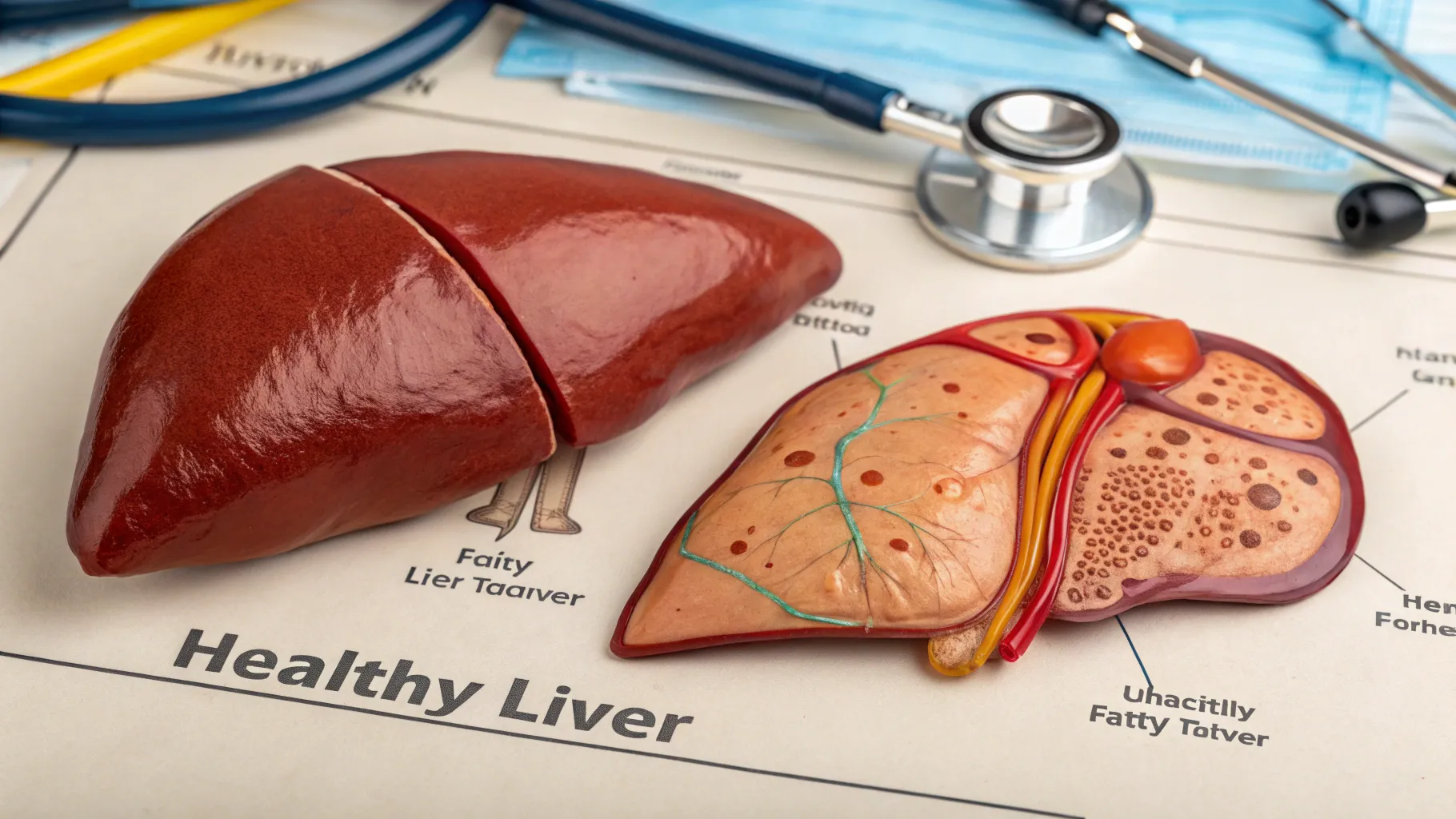
Fatty liver disease, medically known as hepatic steatosis, is a condition characterized by the accumulation of excess fat in liver cells. This is typically benign in its early stages but can progress to more serious complications if left untreated. With rising global obesity rates, fatty liver has become increasingly common, particularly in the United States and Europe. In fact, recent studies suggest that around 25% of adults in these regions are affected by fatty liver disease, a stark increase compared to just a decade ago.
Fatty Liver Symptoms
One of the alarming aspects of fatty liver disease is that many individuals experience little to no symptoms, especially in the initial stages. However, as the condition progresses, some common symptoms may arise:
- Fatigue: Many individuals report feeling unusually tired or lethargic.
- Discomfort: Some may experience a dull pain or discomfort in the upper right abdomen where the liver is located.
- Weight Loss: Unexplained weight loss can occur as the disease progresses.
- Dark Urine: This may indicate a problem with liver function.
- Jaundice: A yellowing of the skin and eyes occurs in more advanced cases.
It’s crucial to recognize these symptoms early, as they can indicate a progression to more severe liver conditions, such as nonalcoholic steatohepatitis (NASH) and cirrhosis.
Fatty Liver Causes
There are several factors that contribute to the development of fatty liver, which can generally be categorized into two main forms: alcoholic and nonalcoholic fatty liver disease.
Alcoholic fatty liver disease: This form is due to excessive alcohol consumption. When alcohol is metabolized, it produces harmful substances that can damage liver cells and lead to fat accumulation.
Nonalcoholic fatty liver disease (NAFLD): This is more common and often associated with several risk factors:
- Obesity: Excess weight is a major contributor, particularly abdominal obesity.
- Type 2 Diabetes: Insulin resistance plays a significant role in fat buildup in the liver.
- High Cholesterol and Triglycerides: These conditions elevate the risk of developing fatty liver.
- Metabolic Syndrome: This includes high blood pressure, high blood sugar, and abnormal cholesterol levels.
- Medications: Certain medications can also contribute to fat accumulation in the liver.
Understanding these causes is essential for both prevention and treatment strategies that can help manage and reverse the condition.
Fatty Liver Diagnosis
Diagnosing fatty liver typically involves a combination of medical history evaluation, physical examinations, and diagnostic tests. Doctors often begin with blood tests that measure liver enzymes to assess liver function. If these tests indicate a potential issue, imaging techniques such as ultrasound, CT scans, or MRI may be used to observe the liver's appearance and fat content.
In some cases, a liver biopsy may be necessary to confirm the diagnosis and evaluate any liver cell damage or inflammation. Approximately 20% of individuals diagnosed with fatty liver may progress to NASH, which poses a greater risk for cirrhosis and liver cancer.
Fatty Liver Treatment
The treatment for fatty liver disease largely focuses on lifestyle changes aimed at reducing risk factors and reversing the condition. Here are some common strategies:
- Weight Loss: Losing just 5-10% of body weight has been shown to significantly reduce liver fat.
- Healthy Diet: A balanced diet rich in fruits, vegetables, lean proteins, and whole grains can help. The Mediterranean diet, for example, is particularly advantageous.
- Exercise: Regular physical activity can improve insulin sensitivity and reduce liver fat. Aim for at least 150 minutes of moderate exercise weekly.
- Avoid Alcohol: For those with alcoholic fatty liver, abstaining from alcohol is crucial for recovery.
- Medications: While no specific medications are approved for treating NAFLD, some drugs may be prescribed to manage conditions like diabetes or cholesterol.
In some recent trials, medications like pioglitazone (Actos) and vitamin E have shown promise in improving liver health for specific groups of patients. However, always consult a healthcare provider for personalized treatment plans.
Fatty Liver Supplements
More individuals are turning to supplements to support liver health. Some popular supplements that have shown potential benefits for fatty liver include:
- Milk Thistle: Known for its active ingredient, silymarin, it’s believed to have antioxidant and anti-inflammatory properties.
- Omega-3 Fatty Acids: Found in fish oil, these may help reduce liver fat content and inflammation.
- Vitamin E: This antioxidant has been studied for its potential to improve liver health when combined with lifestyle changes.
- Berberine: This compound is derived from plants and is noted for its ability to lower blood sugar levels and reduce fat accumulation in the liver.
- Artichoke Extract: This may enhance bile production and support liver function.
Nonetheless, it's critical to approach supplements with caution. Always discuss with a healthcare professional before starting any new supplement regimen to ensure they complement your overall treatment strategy effectively.
In summary, fatty liver disease is increasingly prevalent and poses serious health risks. By recognizing symptoms early, understanding the causes, and implementing lifestyle changes and management strategies, individuals can take proactive steps toward better liver health.