Understanding Fatty Liver Causes Symptoms and Treatment
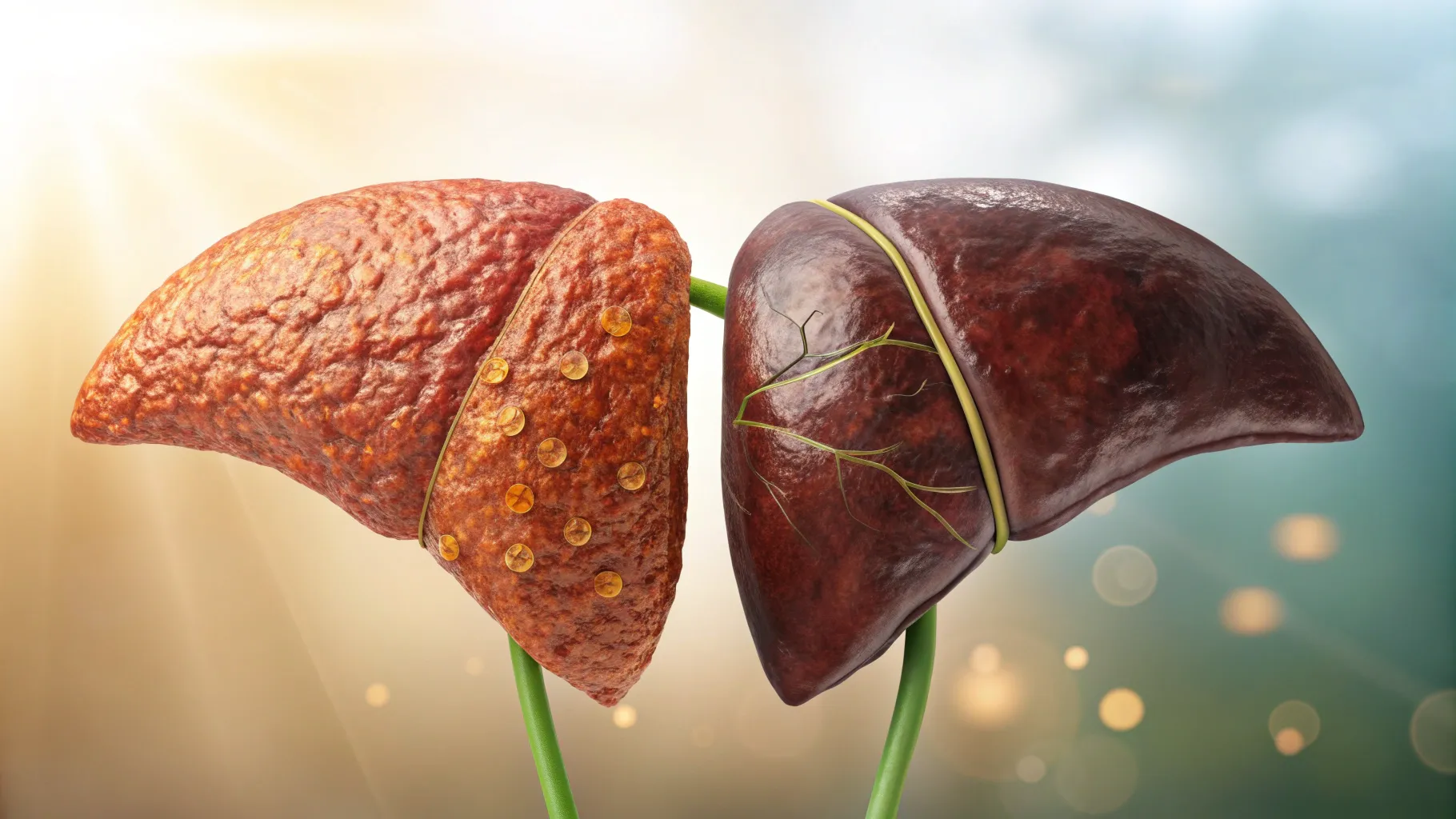
Understanding Fatty Liver Disease
As we move through 2025, the recognition of fatty liver disease as a pressing health concern is more pronounced than ever. This condition involves the accumulation of excess fat in liver cells, leading to various health issues if left unchecked. There are two primary forms of fatty liver disease: alcoholic fatty liver disease (AFLD) and non-alcoholic fatty liver disease (NAFLD). Alarmingly, recent data shows that approximately 25% of adults in the United States currently grapple with some degree of non-alcoholic fatty liver disease, and this figure continues to rise at an alarming pace.
Causes of Fatty Liver Disease
The causes of fatty liver disease are multifaceted, involving a combination of lifestyle choices, genetic factors, and underlying health conditions. Here are some of the key contributors:
- Diet: A diet rich in processed foods, sugars, and unhealthy fats significantly heightens the risk of developing fatty liver disease. The ongoing prevalence of fast food and sugary drinks in our diets has exacerbated this issue.
- Obesity: Being overweight is one of the leading risk factors. Recent statistics indicate that approximately 70% of individuals diagnosed with fatty liver disease are also classified as obese.
- Insulin Resistance: Conditions like type 2 diabetes and metabolic syndrome often coexist with fatty liver, indicating a troubling link between these health issues.
- Alcohol Consumption: For individuals with AFLD, excessive alcohol intake is a direct cause of liver fat buildup.
- Genetics: Studies suggest that genetics also plays a significant role, with some individuals genetically predisposed to fatty liver, regardless of lifestyle choices.
This blend of factors illustrates the complex nature of fatty liver disease. Lifestyle choices undeniably impact the likelihood of developing this condition, but genetic make-up and existing health issues are also critical elements to consider.
Identifying Symptoms of Fatty Liver
One of the most significant challenges in diagnosing fatty liver disease is that many individuals remain asymptomatic during the early stages. However, as the condition advances, certain symptoms may manifest. Common signs include:
- Fatigue: A prevalent complaint among those with fatty liver is a heightened sense of fatigue, which can often be mistaken for everyday stress.
- Upper Right Abdominal Discomfort: Individuals may report mild discomfort or a feeling of fullness in the upper right abdomen that persists.
- Unintended Weight Loss: Some may experience significant weight loss, suggesting the body’s struggle to maintain equilibrium during this health challenge.
- Jaundice: The yellowing of skin and eyes serves as a critical marker of serious liver problems and warrants immediate medical attention.
Surveys conducted in recent months reveal that many who experience these symptoms often dismiss them as part of aging or typical fatigue, complicating early detection. As such, awareness is paramount.
Fatty Liver Treatment Approaches
While there is no one-size-fits-all treatment for fatty liver, current strategies prioritize lifestyle modifications tailored to individual needs. Over the past few months, healthcare professionals have been advocating for a comprehensive approach, incorporating various aspects of health as treatment methods:
- Weight Management: Aiming to lose between 5% to 10% of total body weight can lead to considerable improvements in liver health. Clinical trials reveal that participants who achieved this level of weight loss showed significant reductions in liver fat.
- Dietary Adjustments: Embracing a well-balanced diet abundant in fruits, vegetables, whole grains, and healthy fats is essential. The adoption of a Mediterranean diet, celebrated for its liver-supportive properties, is frequently encouraged.
- Regular Exercise: Engaging in at least 150 minutes of moderate aerobic activity weekly is vital for overall well-being and liver health.
- Medication Research: Ongoing studies are examining potential pharmaceutical treatments. Certain medications targeting insulin sensitivity show promise but are yet to receive approval as specific treatments for fatty liver.
Patients' stories from recent months highlight the necessity of personalized plans—progress often requires both commitment and a tailored approach to treatment.
Early Signs of Fatty Liver to Recognize
Recognizing early signs of fatty liver disease is crucial in preventing its progression. Although many individuals may overlook the early stages of liver health, certain subtle indicators can help alert them to potential problems. Symptoms to watch for include:
- Increased Thirst: This symptom can signal issues like insulin resistance, commonly linked with fatty liver.
- Frequent Urination: An uptick in urination can point to metabolic disruptions associated with fatty liver complications.
- Mild Abdominal Bloating: Early bloating may occur due to excess liver fat, warranting attention before the situation escalates.
Being vigilant about identifying these signs can empower patients to seek help earlier, positively impacting the trajectory of their liver health.
In today’s world, as discussions around fatty liver disease gain momentum, raising awareness and promoting education remain vital. By understanding its causes, recognizing symptoms, and exploring treatment options, individuals can adopt proactive measures for better liver health. Given the rising occurrence of fatty liver disease, collective action emphasizing lifestyle modifications, along with advancements in medical research, will play an essential role in addressing this overlooked yet critical health issue.