Understanding Fatty Liver Causes Symptoms and Treatment
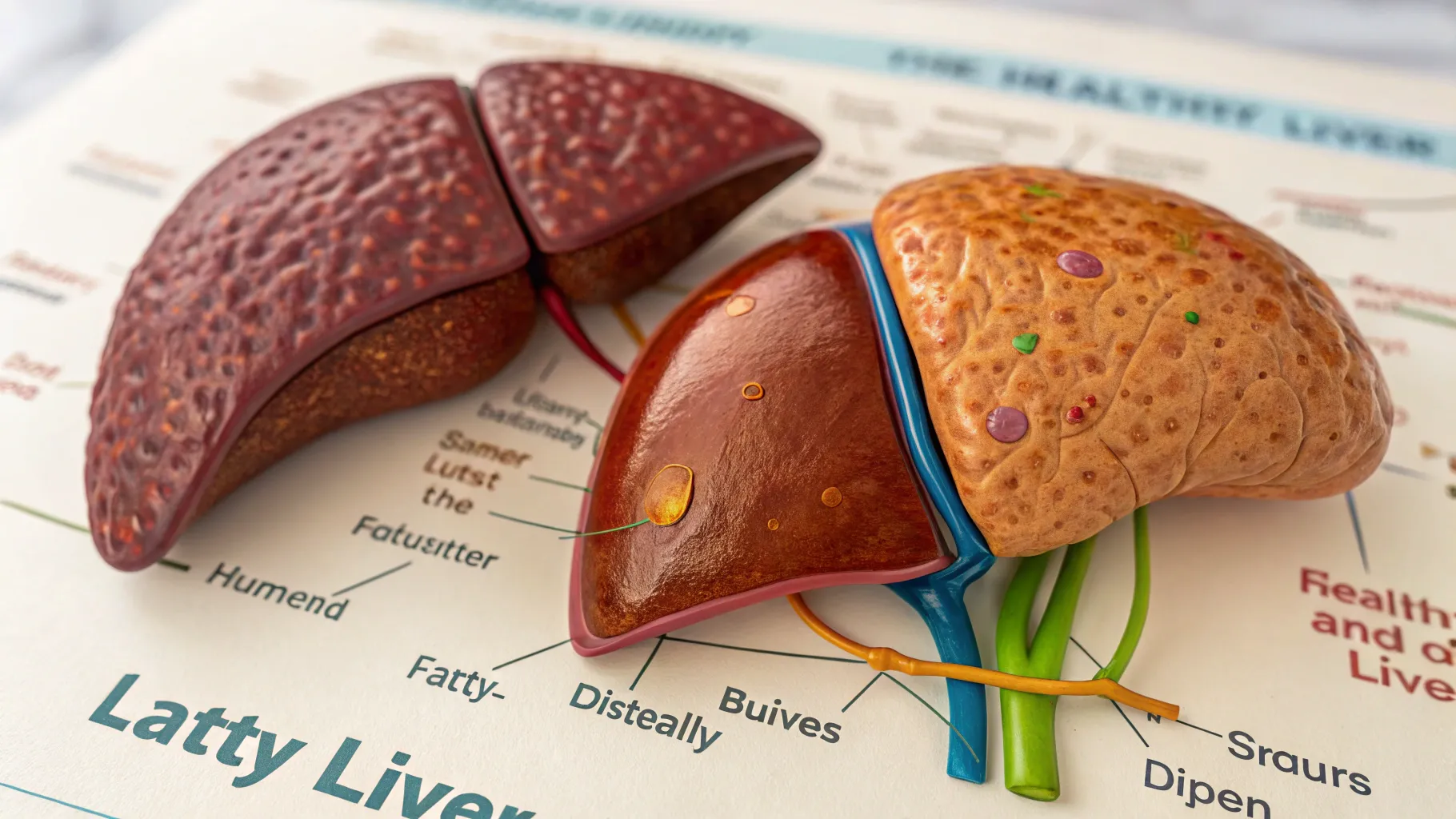
Understanding Fatty Liver Causes Symptoms and Treatment
Fatty liver disease, also known as hepatic steatosis, is becoming a pressing health concern worldwide. With an estimated 25% of the global adult population affected by some form of fatty liver disease in 2025, the dialogue surrounding its causes, symptoms, and treatments is critical. This alarming trend is directly correlated with rising obesity rates, unhealthy dietary habits, and increasingly sedentary lifestyles.
What Causes Fatty Liver?
The roots of fatty liver disease are complex and often interrelated. Key factors contributing to the buildup of fat in liver cells include:
- Obesity: One of the most significant risk factors, obesity impairs the liver's ability to metabolize fats. As the prevalence of obesity continues to rise, so does the incidence of fatty liver.
- Insulin Resistance: Conditions such as type 2 diabetes are closely tied to fatty liver. Insulin resistance, which can be aggravated by a poor diet and lack of exercise, hinders the body's ability to metabolize glucose effectively, leading to excess fat storage.
- Dietary Choices: Diets high in sugars, saturated fats, and trans fats are major contributors. Recent studies have clearly linked increased consumption of sugar-laden beverages to heightened fatty liver cases.
- Alcohol Intake: Alcohol-induced fatty liver disease remains a significant concern. While non-alcoholic fatty liver disease (NAFLD) is gaining attention, excessive alcohol consumption can still lead to liver fat accumulation due to disrupted fat metabolism from alcohol processing.
- Medication Use: Certain drugs, especially corticosteroids, are linked to fat accumulation in the liver. Individuals taking these medications should consult with healthcare professionals to monitor liver health.
- Genetic Predisposition: Genetic factors cannot be overlooked—some studies suggest up to 25% of individuals possess genetic variants that increase their susceptibility to developing fatty liver.
Recognizing Fatty Liver Symptoms
One of the challenges of fatty liver disease is that it can develop quietly without obvious symptoms. Many individuals remain unaware of their condition until significant liver damage has occurred. Here are common symptoms to watch for:
- Fatigue: Persistent tiredness is a frequent complaint. This fatigue often persists regardless of how much rest a person gets.
- Abdominal Discomfort: Individuals may notice an uncomfortable feeling in the upper right quadrant of the abdomen, where the liver is located.
- Unexplained Weight Loss: As the disease progresses, unintentional weight loss can occur, as the liver struggles with fat metabolism and inflammation.
- Nausea and Appetite Changes: Some may experience nausea, particularly after eating heavy or fatty meals, along with changes in appetite.
In advanced cases, symptoms can escalate to more severe manifestations, such as jaundice (yellowing of the skin and eyes), leg swelling (edema), ascites (fluid buildup in the abdomen), and cognitive issues like confusion. Regular medical check-ups are essential for early detection and management, especially for those at risk.
Current Treatment Approaches for Fatty Liver
While no medications are explicitly approved for fatty liver, various lifestyle modifications can be highly effective in managing and potentially reversing the disease. Key strategies include:
- Weight Management: A weight loss of 5-10% can significantly alleviate liver fat. Studies indicate even modest weight loss can lead to improved liver function and decreased inflammation.
- Nutritious Diet: A diet rich in whole foods—fruits, vegetables, whole grains, and lean proteins—is recommended. It is beneficial to avoid sugary and processed foods; the Mediterranean diet is often endorsed as particularly effective.
- Regular Physical Activity: Engaging in physical exercise, with at least 150 minutes of moderate aerobic activity each week, can improve insulin sensitivity and reduce liver fat.
- Alcohol Reduction: For those with alcoholic fatty liver disease, significantly reducing or abstaining from alcohol is crucial. This simple change can have profound effects on liver health.
- Emerging Medications: Significant research is currently focused on new medications aimed at reducing liver fat and inflammation. Many are undergoing trials, showing promise for future treatment options.
Healthcare providers stress the importance of routine liver function testing and individualized treatment plans that cater to each person’s unique health needs. Optimal management of fatty liver involves a multifaceted approach combining diet, exercise, and regular monitoring.
Early Signs of Fatty Liver to Watch For
Recognizing early signs of fatty liver is vital for successful intervention. Recently, health professionals have highlighted the importance of early detection through awareness:
- Changes in Appetite: If you notice shifts in your appetite—whether increased or decreased—this could serve as an early indicator.
- Mood Fluctuations: Subtle changes in mood, anxiety, or depression might be linked to liver function due to its role in hormone metabolism.
- Frequent Unhealthy Snacking: Cravings for junk food can indicate an underlying metabolic change associated with fatty liver.
If you observe these signs, consulting a healthcare provider is crucial. They can conduct relevant tests and recommend proactive lifestyle changes, significantly enhancing liver health and overall well-being.
In light of emerging understanding regarding fatty liver disease, empowering individuals with knowledge about risks, symptoms, and treatment options can foster a healthier lifestyle. By cultivating awareness through health initiatives and education, we can work together to mitigate the impact of this increasingly prevalent condition.