Understanding Fat Removal Procedures and Techniques
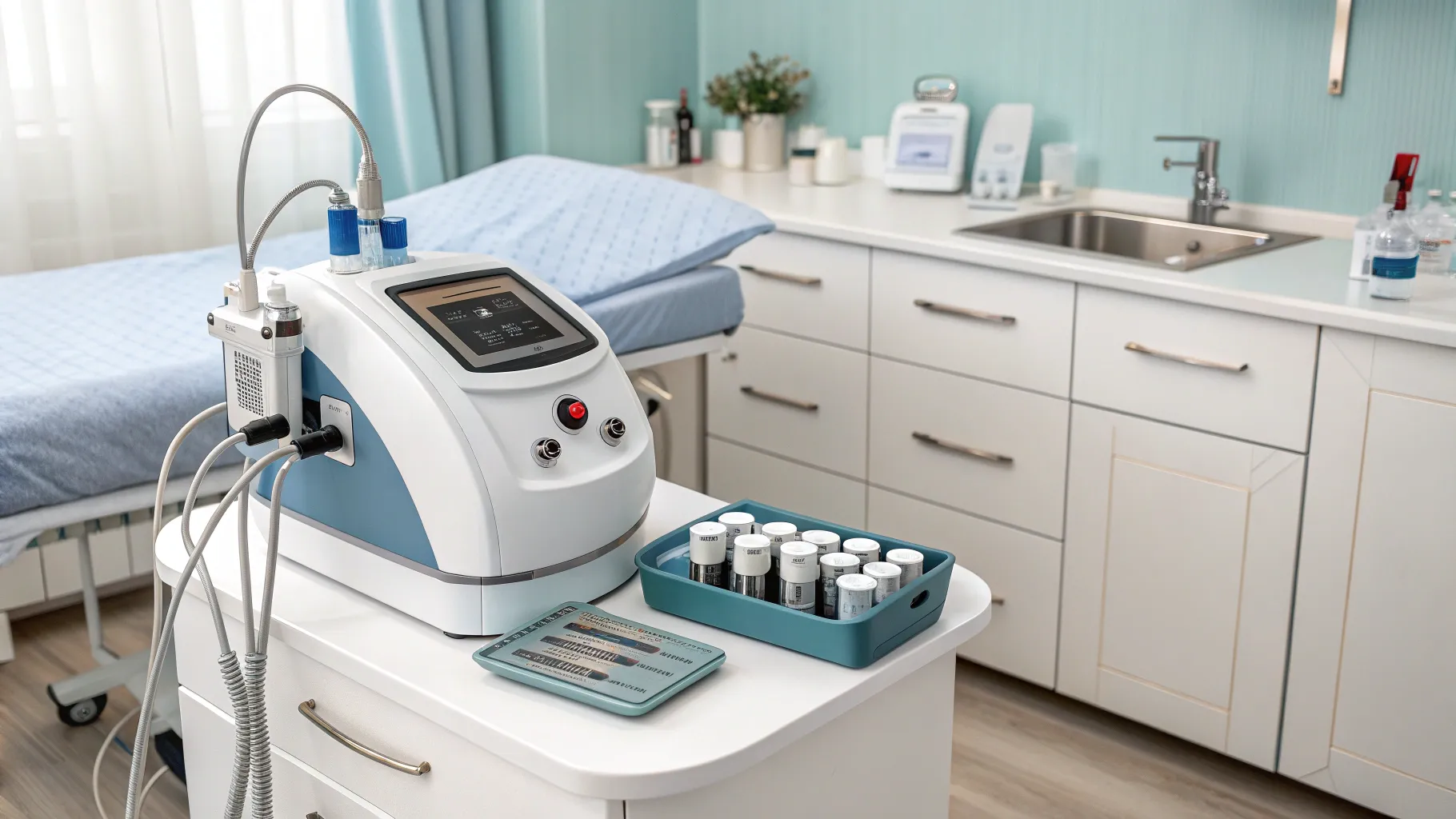
Understanding Fat Removal and Its Popularity
Fat removal procedures have increased in popularity over the past few years, as people explore various ways to manage body contouring. This growing interest is influenced by advancements in technology, social media, and a heightened awareness of health and wellness. In 2025, the variety of fat removal techniques available can seem overwhelming. Understanding these methods can help individuals make informed decisions suited to their personal needs.
Informative Overview of Fat Removal Procedures
When it comes to fat removal, the landscape is divided into two main categories: cosmetic surgeries and non-surgical fat reduction methods. Each offers distinct advantages, varied recovery periods, and results that differ based on individual circumstances. Let’s delve into both approaches.
Cosmetic Fat Removal Procedures
Cosmetic fat removal refers to surgical interventions aimed at eliminating fat from specific areas of the body. Popular procedures include:
- Liposuction: This remains one of the most recognized fat removal procedures. As of this year, statistics indicate that over 280,000 liposuction surgeries were performed in the United States alone, making it one of the top cosmetic surgeries. This technique involves the use of a suction method to remove fat from areas like the abdomen, thighs, arms, and buttocks.
- Tummy Tuck (Abdominoplasty): This procedure targets excess skin and fat in the abdominal region, often recommended for individuals who have experienced significant weight loss or pregnancy. With a focus on tightening the abdominal wall, this surgery not only removes fat but also enhances overall body contour.
- CoolSculpting: A non-invasive technique that uses cryolipolysis to freeze fat cells, which the body then gradually eliminates naturally over time.
These cosmetic options can yield remarkable results; however, they typically require recovery time that varies depending on the procedure. Patients should factor in both short-term and long-term commitments to achieve and maintain desired results.
Non-Surgical Fat Reduction Techniques
On the other hand, non-surgical fat reduction options have emerged as a convenient alternative, appealing to those who may be hesitant about the risks and recovery associated with surgery. Here are some of the most notable:
- Ultrasound Fat Reduction: This method utilizes sound waves to target and destroy fat cells, often producing results without the need for anesthesia or a lengthy recovery. Recent studies have shown that ultrasound fat reduction can successfully target areas with stubborn fat deposits.
- Radiofrequency Treatments: By using radiofrequency energy, these treatments can not only reduce fat but also tighten the skin simultaneously, resulting in a smoother appearance. Many clinics are offering these services as they become more effective and accessible.
- Kybella: Specifically designed for fat underneath the chin, Kybella utilizes deoxycholic acid to break down fat cells. Many patients have reported satisfaction with the results, and it remains a popular option for facial contouring.
Non-surgical methods appeal to a wide audience due to their minimal recovery time and less invasive nature. Clients can typically resume normal activities shortly after these treatments, allowing for greater flexibility in their lifestyles.
Different Approaches to Body Contouring and Fat Reduction
While choosing a fat removal method, it’s important to recognize that no single technique is ideal for everyone. Various factors such as individual body types, fat distribution patterns, and health conditions play significant roles in determining the best approach. Furthermore, a combination of different modalities may yield the most satisfying outcomes.
For instance, many people turn to a hybrid approach that includes both surgical and non-surgical treatments to target different areas of the body effectively. According to recent surveys, over 65% of patients are now exploring integrated plans that combine consultations for liposuction with non-invasive solutions such as CoolSculpting, thus ensuring a comprehensive strategy for body improvement.
Costs and Considerations
The decision to undergo fat removal can also be influenced by financial considerations. Cosmetic surgeries like liposuction and tummy tucks can range from $3,000 to $15,000 depending on geographic location, surgeon experience, and the intricacy of the procedure. Meanwhile, non-surgical treatments often cost less, with sessions typically priced between $500 to $1,500 per treatment area.
Additionally, it’s crucial for individuals to research practitioners thoroughly. Qualified professionals should not only hold relevant certifications but also have significant experience in the specific procedures being considered. Consultations provide opportunities for patients to ask questions, discuss their aesthetic goals, and address any concerns.
Individuals considering fat removal methods should also remember that lifestyle factors play a pivotal role in maintaining results. A balanced diet and regular exercise are fundamental components that can enhance the longevity of any fat reduction treatment, whether surgical or non-surgical. Patients are encouraged to take an active role in their health and wellness, integrating long-term habits that align with their targets.
In adding to its popularity, the psychological impact of body image and confidence cannot be overlooked. Many clients report enhanced self-esteem and improved quality of life following successful fat removal procedures. Ultimately, the choice of which method to pursue is personal; however, increasing knowledge about available options can lead to more empowered choices.