Understanding Epidermolysis Bullosa Treatment: A Comprehensive Guide for Patients and Caregivers
Epidermolysis Bullosa (EB) is a group of rare genetic connective tissue disorders that cause extremely fragile skin, leading to painful blisters and wounds from minor friction or trauma. For individuals and families affected, understanding epidermolysis bullosa treatment is the first step toward improving quality of life. The landscape of care is constantly evolving, with a focus on a holistic approach that addresses not just the skin, but the entire well-being of the patient. This guide provides essential epidermolysis bullosa treatment information to help navigate the complexities of this condition.
The Foundations of EB Care Approaches
Effective management of Epidermolysis Bullosa relies on a comprehensive, multidisciplinary strategy. There is no one-size-fits-all solution; instead, EB care approaches are tailored to the specific type of EB, the severity of symptoms, and the individual's overall health. A dedicated care team is crucial and typically includes:
- Dermatologists: To lead the skin care management plan.
- Wound Care Nurses: Specialists in dressing techniques and infection prevention.
- Nutritionists/Dietitians: To address increased caloric needs for healing and challenges with swallowing.
- Pain Management Specialists: To create strategies for controlling acute and chronic pain.
- Physical and Occupational Therapists: To help maintain mobility and adapt daily activities.
Mastering Wound Care for Epidermolysis Bullosa
Protective and meticulous wound care is the cornerstone of daily life with EB. The primary goals are to protect the skin from new injuries, promote the healing of existing wounds, and prevent infection, which can be a serious complication.
Key Principles of Wound Management
Effective wound care for epidermolysis bullosa involves several critical steps. Blisters must be lanced with a sterile needle to prevent them from enlarging and causing further skin separation. After lancing, the blister roof should be left in place as a natural biological dressing. The wound is then cleansed gently and covered with specialized non-adherent dressings that will not stick to the fragile skin upon removal. Applying ointments or creams can also help keep the skin moist and aid in healing.
Choosing the Right Supplies
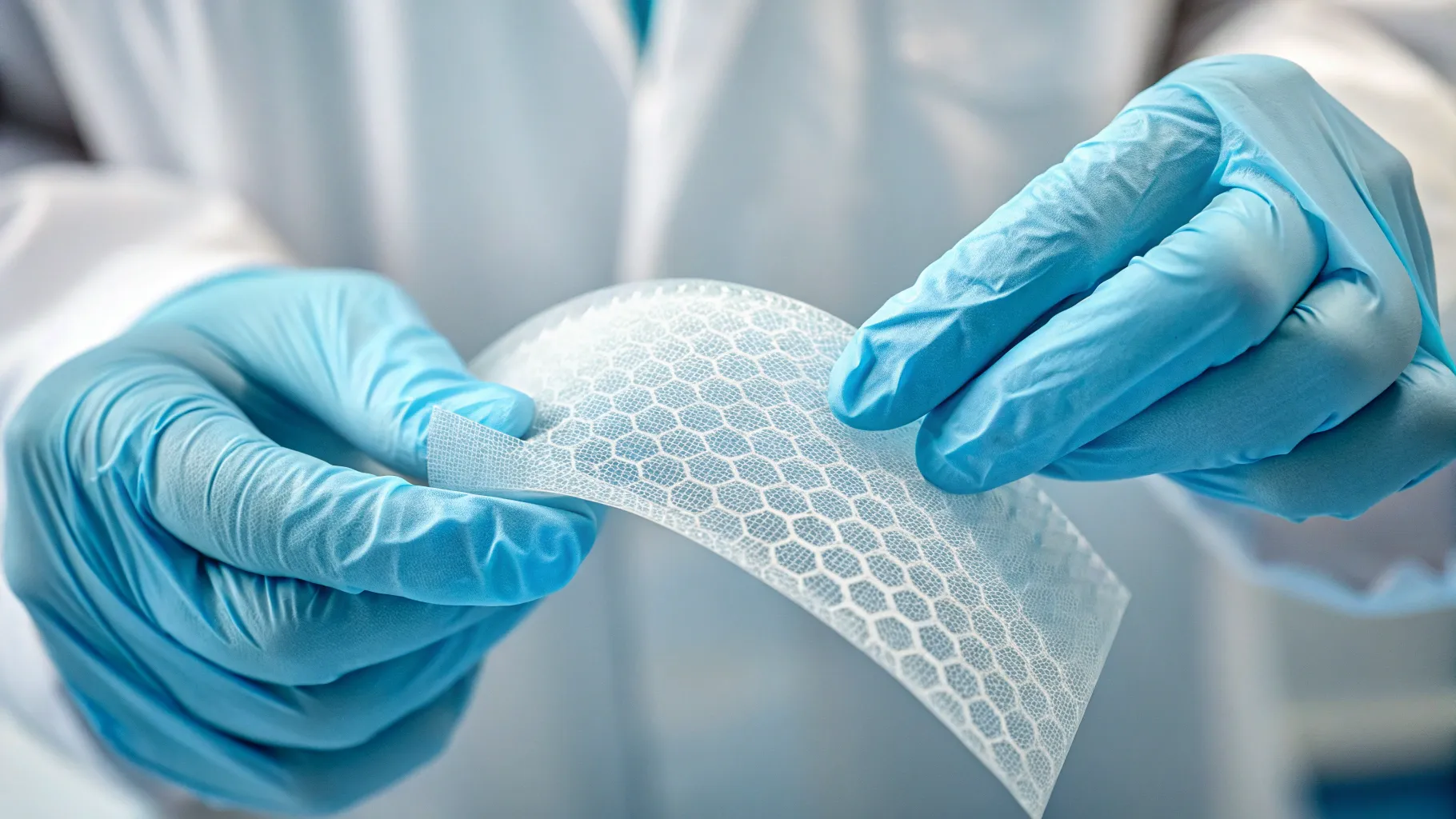
A wide range of advanced dressings is available, including silicone-based contacts, foams, and hydrogels. The choice of dressing depends on the wound's location, size, and level of exudate. It is vital to work with a healthcare professional to determine the most suitable products for your specific needs.
Comprehensive Strategies for Managing EB Symptoms
Beyond skin fragility, managing EB symptoms requires attention to various systemic issues that can arise. A proactive approach can significantly mitigate complications and improve comfort.
- Pain and Itch Control: This is a daily challenge. Management can include topical anesthetics, oral medications, and non-pharmacological methods like cool compresses and distraction techniques.
- Nutritional Support: High-protein, high-calorie diets are often necessary to support the immense energy demands of constant wound healing. Soft foods may be required if blistering affects the mouth and esophagus.
- Infection Prevention: Constant vigilance is key. Caregivers must watch for signs of infection such as increased redness, pain, pus, or odor from wounds. Topical and sometimes systemic antibiotics are used to treat infections promptly.
- Dental Care: Gentle but thorough oral hygiene with soft-bristled toothbrushes and specialized techniques is essential to prevent decay and gum disease, which are common in some EB types.
Innovations in Epidermolysis Bullosa Treatment
The field of EB treatment is advancing, offering new hope for patients. Research has led to groundbreaking therapies that target the underlying causes of the disease. As of late 2025, several innovative treatments are becoming more accessible. One significant development is the availability of topical gene therapy gels. These treatments are applied directly to wounds and are designed to deliver a correct copy of the gene that is faulty in certain types of EB, promoting durable wound closure. Other areas of active research include protein replacement therapies, cell-based treatments, and repurposed drugs to manage inflammation and fibrosis.
Living with EB: The Path Forward
While a definitive cure for all forms of EB remains the ultimate goal, current EB care approaches have dramatically improved the ability to manage the condition. A deep understanding of the daily management routine, combined with support from a knowledgeable medical team and access to new therapies, empowers patients and their families. Continual education and advocacy are vital for accessing the best possible epidermolysis bullosa treatment information and care.
References:
www.mayoclinic.org/diseases-conditions/epidermolysis-bullosa/symptoms-causes/syc-20361062
www.niams.nih.gov/health-topics/epidermolysis-bullosa
www.debra-international.org/what-is-eb