Understanding Epidermolysis Bullosa Treatment: A Guide to Modern EB Care Approaches
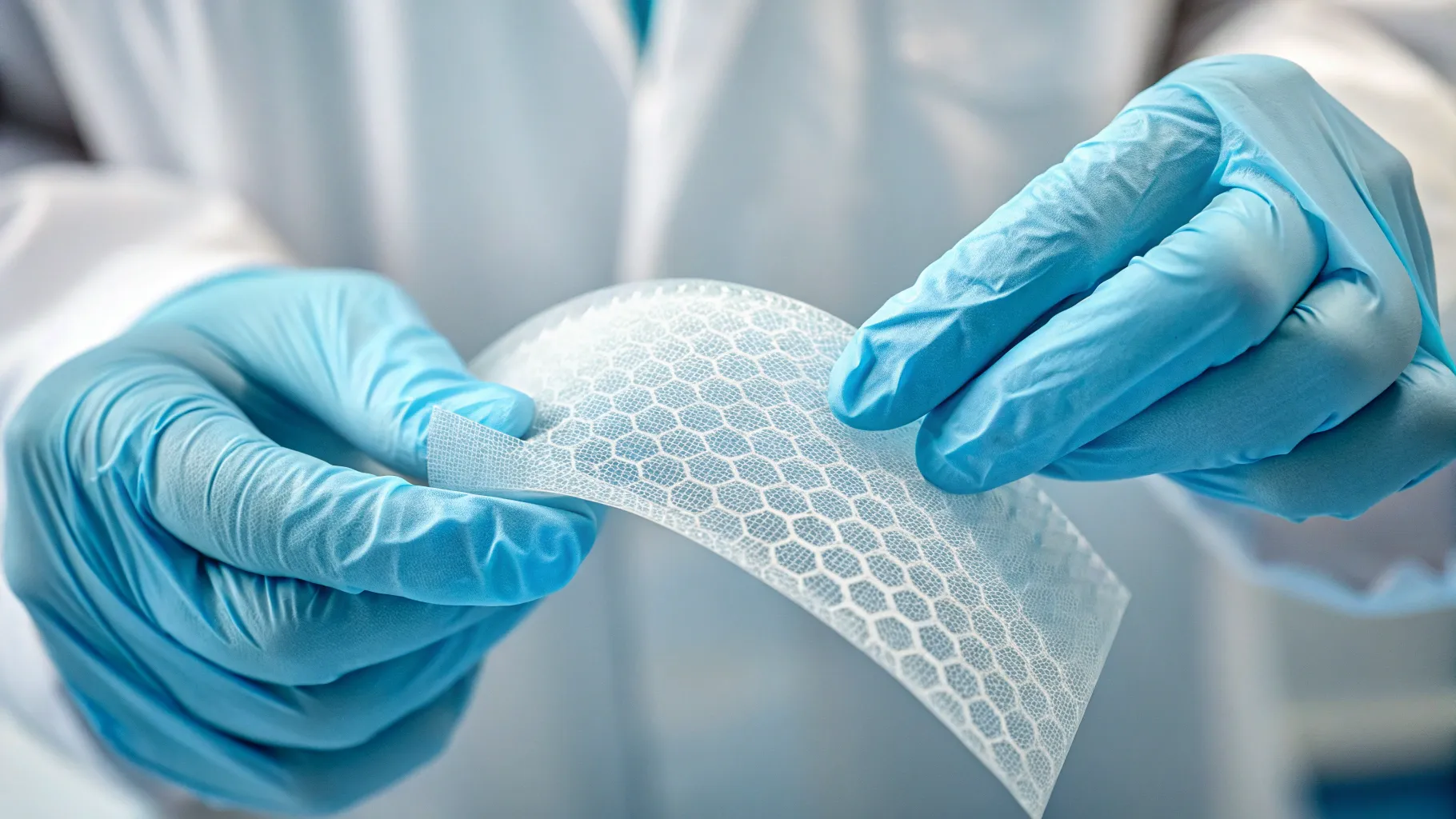
Epidermolysis Bullosa (EB) is a group of rare genetic conditions that result in extremely fragile skin, where even minor friction can cause painful blisters and wounds. For individuals and families affected by EB, understanding epidermolysis bullosa treatment is the first step toward improving quality of life. The primary goal is to protect the skin, promote healing, and manage complications. This guide provides essential information on current and emerging strategies for managing this challenging condition.
Core Principles of Wound Care for Epidermolysis Bullosa
Effective wound management is the cornerstone of daily life with EB. The main objective is to protect the fragile skin from further damage while helping existing wounds heal without infection. Proper wound care for epidermolysis bullosa involves a gentle yet meticulous routine. Blisters must be lanced with sterile needles to prevent them from enlarging, and the roof of the blister should be left intact to act as a natural dressing. Cleansing is typically done with a saline solution or a specialized non-irritating wash.
Perhaps the most critical component is the choice of dressings. Adhesives are strictly avoided. Instead, care involves:
- Primary dressings: Non-adherent materials like soft silicone, hydrogels, or petrolatum-based gauzes are applied directly to the wound to create a moist healing environment.
- Secondary dressings: These are used to hold the primary dressing in place and provide padding. They consist of soft, conforming roll bandages.
- Protective layers: Tubular bandages or specialized garments can be worn over the dressings to secure everything and reduce friction.
Advanced EB Care Approaches and Therapies
The landscape of epidermolysis bullosa treatment information is continually evolving. Beyond daily wound care, new therapies are offering hope for better symptom management and, in some cases, addressing the root cause of the disease. These advanced EB care approaches represent a significant shift from purely supportive care to proactive and targeted treatments. Research is heavily focused on gene and cell-based therapies, protein replacement, and innovative topical treatments designed to enhance wound healing and skin integrity.
Topical Gene Therapy Gels
One of the most significant recent advancements is the development of topical gene therapy gels. These treatments are applied directly to wounds and deliver a functional copy of the gene that is faulty in certain types of EB, such as the COL7A1 gene in Dystrophic EB. This helps the skin produce the missing protein, promoting durable wound closure.
Systemic and Protein-Based Therapies
For more severe forms of EB, systemic treatments are under investigation. These include therapies that aim to reduce inflammation, combat fibrosis, or replace the missing structural proteins throughout the body. These approaches are complex but hold the promise of treating the condition internally, potentially reducing the formation of new blisters system-wide.
A Multidisciplinary Approach to Managing EB Symptoms
Effectively managing EB symptoms requires a coordinated effort from a team of healthcare specialists. Due to the systemic nature of the condition, which can affect everything from nutrition to mobility, a multidisciplinary team is essential. This integrated approach ensures all aspects of a patient's health are addressed. Key members of an EB care team often include:
- Dermatologist: Leads the skin care management plan.
- Wound Care Nurse: Provides specialized expertise in daily dressing changes and wound management.
- Nutritionist/Dietitian: Addresses increased caloric needs for healing and challenges with swallowing.
- Physical and Occupational Therapists: Help maintain mobility, prevent contractures, and adapt daily activities.
- Pain Management Specialist: Develops strategies to manage acute and chronic pain associated with wounds.
- Gastroenterologist: Manages internal blistering and esophageal strictures.
Nutritional Support and Pain Management
Two critical aspects of care are nutritional support and pain management. The constant process of wound healing demands a high-calorie, high-protein diet. However, blistering in the mouth and esophagus can make eating painful and difficult. Nutritionists work with families to find solutions, such as soft, high-calorie foods, fortified smoothies, and, if necessary, feeding tubes. Similarly, managing pain is paramount for quality of life. A combination of topical anesthetics, non-pharmacological methods, and carefully prescribed systemic medications is often required to control pain during dressing changes and daily activities.
References:
https://www.niams.nih.gov/health-topics/epidermolysis-bullosa
https://www.mayoclinic.org/diseases-conditions/epidermolysis-bullosa/diagnosis-treatment/drc-20361066
https://www.debra.org/about-eb/eb-care